


Financing a Wastewater Plant Replacement in Austwell, Texas
City
Austwell
State
District
TX-27
Funding
Outcome
Austwell, a town of more than 100 people in Refugio County near San Antonio Bay on the Texas Gulf Coast, is replacing its wastewater treatment plant after years of setting aside money for a project city leaders knew was coming.
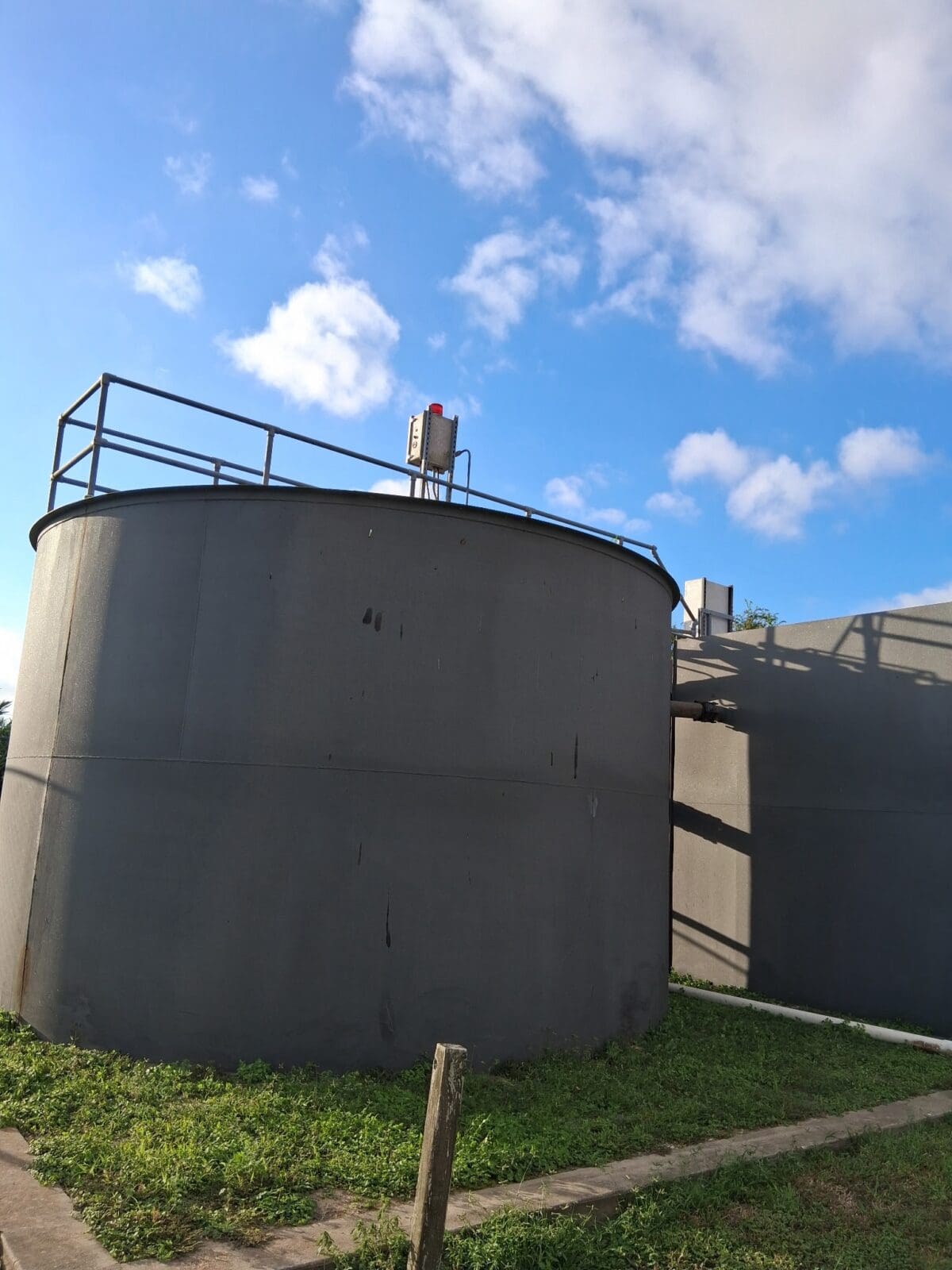
Operating since 1999, the plant treats wastewater for Austwell’s 122 connections. Salt air corrodes metal from the outside, while wastewater accelerates wear from the inside.
“Not only is wastewater processing highly corrosive, but we also live in a highly corrosive environment,” said Mayor Andrew Biery. “Everything is looking for a place to turn into a pile of rust.”
The corrosion has left major components beyond repair. Deteriorating tanks pose safety concerns, and aging equipment makes treatment more difficult to manage affordably.

A Small Town on a Big Bay
Austwell dates to the early 1900s, when rancher Paul H. Austwell and other settlers developed the area around ranching and farming. A post office opened in 1911, and the town grew as a service center for nearby ranches and farms.
Today, Austwell serves as a gateway to the Aransas National Wildlife Refuge. Its location near San Antonio Bay, an ecologically valuable part of the Texas coast, also makes wastewater treatment an important consideration for the surrounding environment.
Piecing Together the Financing
Austwell began preparing for the project by setting aside money each year.
One source of project funding is a grant from the Matagorda Bay Mitigation Trust (MBMT), which manages funds from a 2019 lawsuit against Formosa Plastics Corp. and supports projects along the coast around Matagorda Bay. The trust reimburses expenses, meaning Austwell must pay invoices upfront and submit documentation before receiving grant funds.
That reimbursement process creates a timing challenge for a small community financing an infrastructure project.

Bridging the Gap Before Enforcement Hits
“We didn’t have four to five years of leeway with TCEQ to get this replaced,” Biery said. “What often happens in these situations is that you end up under enforcement, spending money on fines instead of replacing equipment.”
To finance the project and manage costs while grant reimbursements are pending, Austwell turned to Communities Unlimited’s water and wastewater systems work. Through its Lending Team, CU closed a loan with the city, handled by Senior Economic Development Loan Officer Chris Ranniger.
Gloria Reyes, CU’s South Texas Coordinator on the Community Infrastructure Team, supported the application by researching the town’s demographics, working with CU’s Lending Team to resolve discrepancies in the city’s income data, and helping city officials assess how the utility is operated and financed.
The loan allows the city to draw funds as needed for eligible project costs, helping it pay contractors while waiting for grant reimbursements.
It allowed us to put our resources toward replacing the equipment rather than paying fines while waiting for other financing.
What the New Plant Will Change
The project budget includes the replacement plant, engineering, legal fees, contingencies and project management through the Nueces River Authority.
The treatment process relies on aeration, chlorination, skimming and pumping. In Austwell’s existing plant, the equipment supporting those operations has corroded and reached the end of its service life. Biery said the plant still meets TCEQ requirements, but only just.
“We’re going to be treating sewage the way it’s prescribed in 2027, rather than using a system that dates back to 1999,” he said. “The quality of the treatment process will go back to new instead of barely adequate.”
Austwell, Texas wastewater treatment plant on the Gulf Coast near San Antonio Bay, slated for replacement.
The Bigger Picture
- Bridge loans let small towns act before TCEQ enforcement and fines hit
- Grant reimbursement timelines can lag years behind infrastructure needs
- CU lending paired with coastal grant funds covered contractor costs upfront
- Coastal corrosion shortens the service life of rural wastewater equipment

