


More than a year after a single workshop conversation, the Rusk Education Foundation is already changing daily life inside classrooms at the local independent school district.
In 2024, parent-family liaison Laeil Pepin attended a Communities Unlimited (CU) “Rake It In” fund development workshop in Rusk. The training showed community volunteers how an education foundation could organize local support for schools — and how to build one from the ground up.
Serving a low-income community in Cherokee County in East Texas, the foundation received a grant in August 2025 from CU’s Community Sustainability Team. Most supported classroom innovation grants designed by teachers to meet specific needs, while part supported the district’s “More Than a Backpack” school supply program.
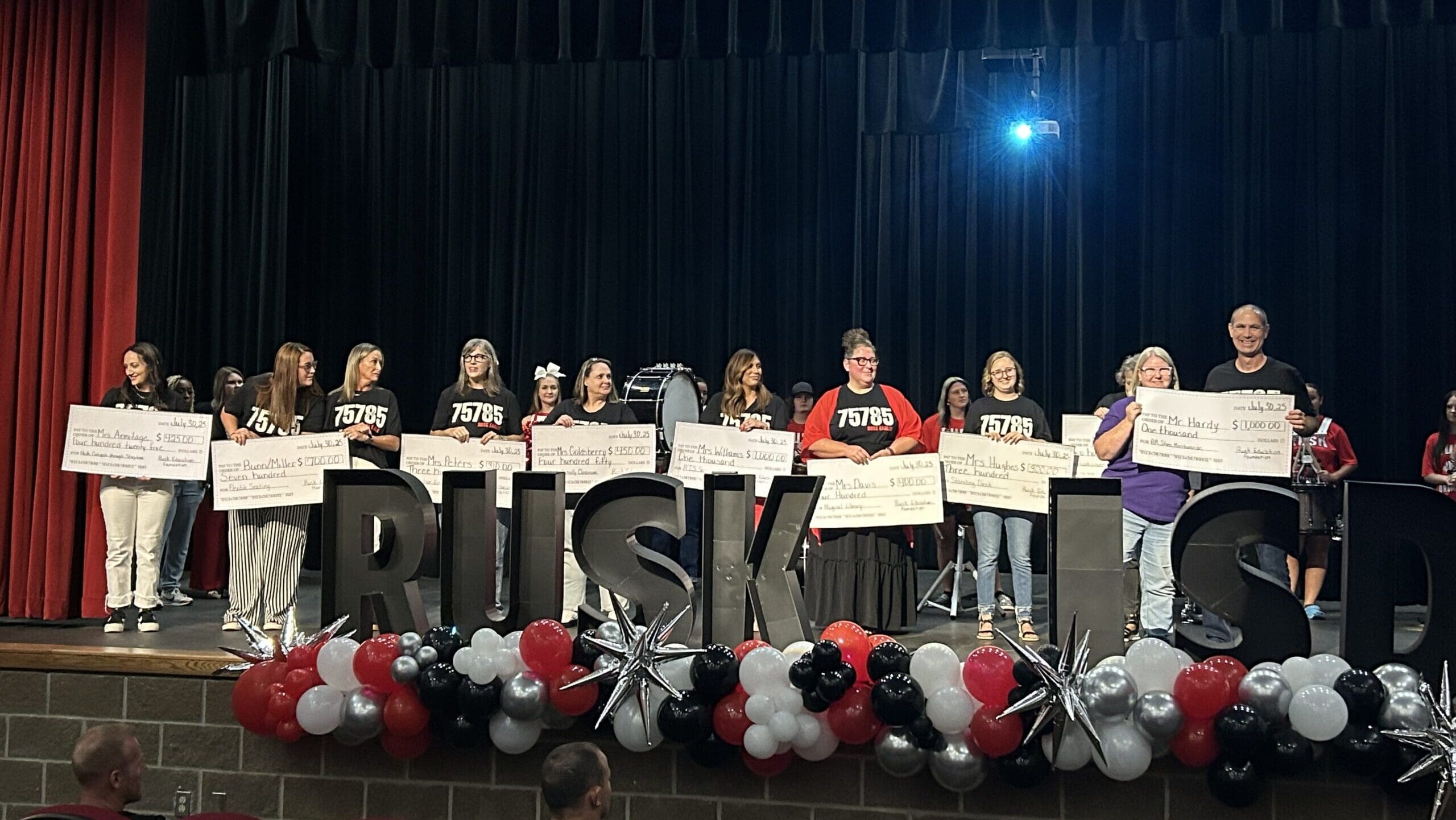
Education Foundation President Jaleea Downs said the organization is still building local awareness, but teachers immediately recognized the opportunity.
“It opened a lot of eyes. Teachers realized there were opportunities to try new ideas and offer more innovative learning experiences.”
— Jaleea Downs, Rusk Education Foundation
Reading Takes Off in the Junior High Library
One of the clearest impacts appeared where librarian Patrick Hardy used grant funding to expand the school’s Accelerated Reader (AR) reward store — a program that encourages students to read books and pass quizzes in exchange for points they can spend on prizes.
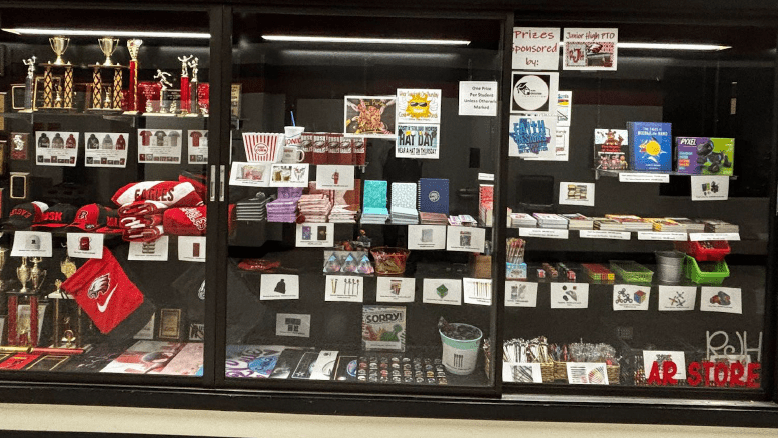
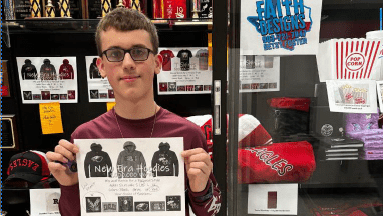
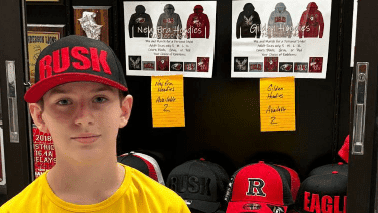
Previously, students received grades for completing AR quizzes, but Hardy said grades alone were not always enough motivation at the junior high level. With the grant, he and the English teachers turned a small pilot effort into a campuswide incentive program.
Before the grant, the store offered only small items like pencils and fidget toys. Funding allowed the library to add higher-value rewards such as T-shirts, hoodies and baseball caps, along with additional books.
“We track the number of words read as a gauge, and we’ve had an increase of more than two million words from last year’s second semester to this year’s first semester. We’ve also seen more students checking out books and taking quizzes.”
— Patrick Hardy, Rusk Junior High Library
The change was visible beyond the data.
“We now have kids reading who didn’t read before,” he said. “They see a reward they want and realize, ‘I can earn something by doing this.’”
Students who read one million words in a semester are invited to a “Millionaire Party,” a pizza celebration recognizing achievement. Seven students reached the milestone during the first semester.
Teachers adjusted instruction as enthusiasm grew. Seventh-grade teachers increased daily reading time from 15 minutes to 20 minutes, and eighth-grade teachers added dedicated reading time to their schedules.
“They’re prying books out of kids’ hands,” Hardy said.
“It’s why I’m here — to see kids get excited,” he added. “Not just about reading, but about realizing there are things worth working for.”
A New Space for Students Who Need Support
Another grant recipient, special education resource and dyslexia teacher Brooke Williams, used funding to transform an unused classroom into a sensory space for students who struggle to regulate emotions in a traditional learning environment.
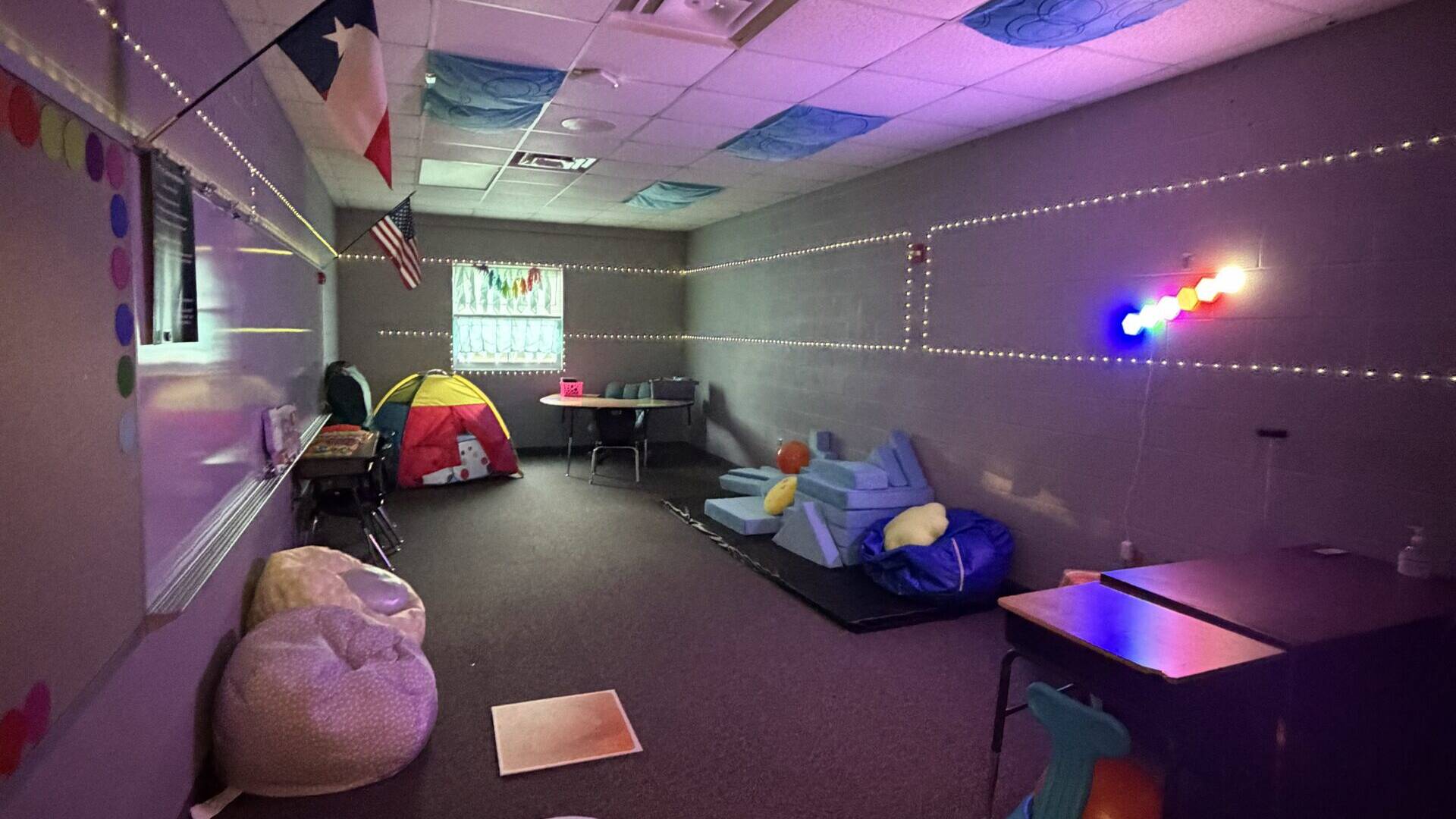
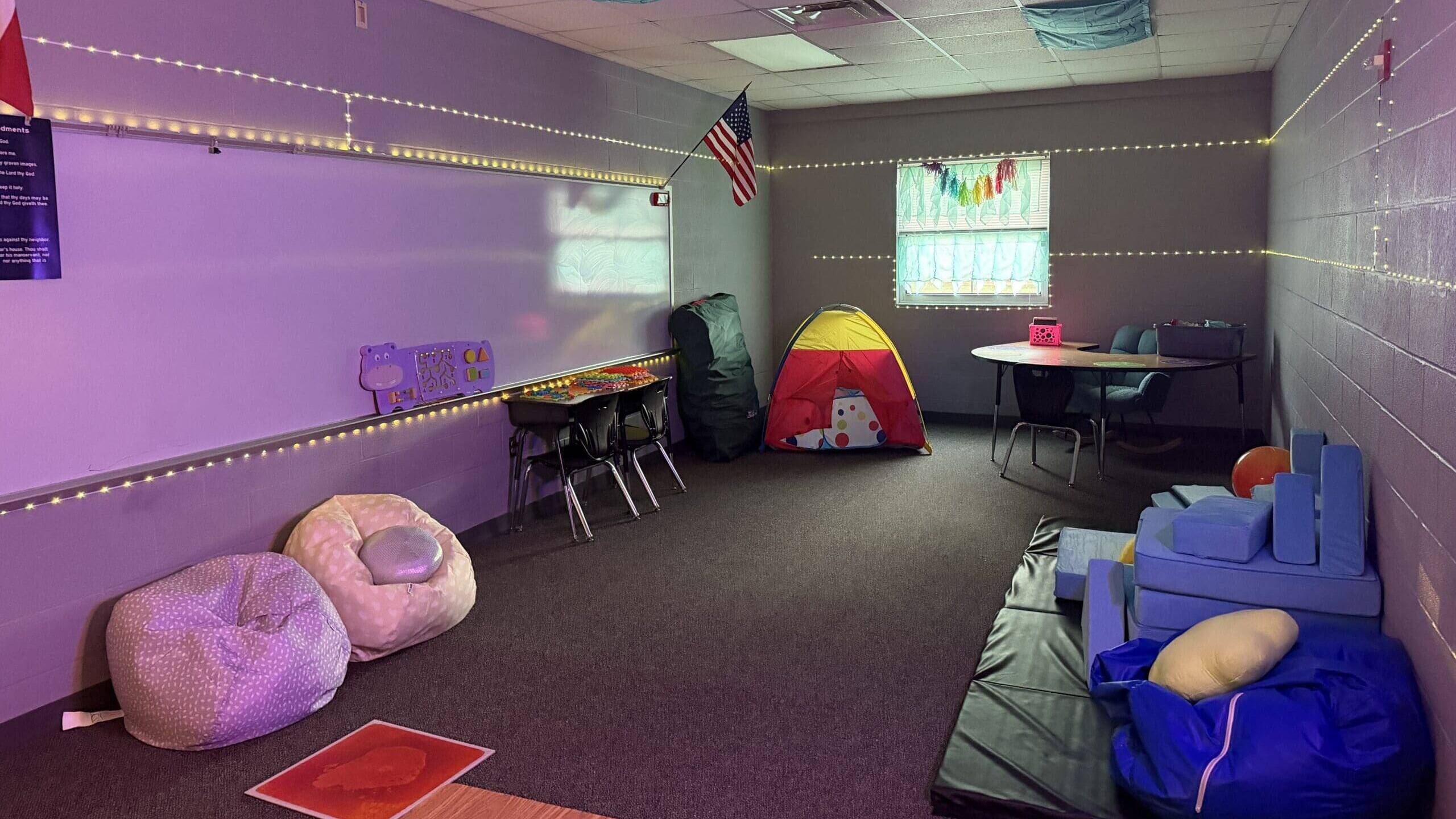
The small room had previously served as an occasional quiet break area with little structure. As staff noticed increasing behavioral and emotional needs among students, Williams and her colleagues looked for a better use for the space.
“Last year we started brainstorming how we could use it to better support our students, and that’s how the idea for a sensory room came about,” Williams said.
Grant funds allowed the team to purchase sensory equipment and calming tools, turning what she described as “four cinder-block walls” into a structured reset space where students can refocus before returning to class.
“If we can get a student there quickly and help them calm down using activities they enjoy, it can prevent what would otherwise become a major outburst."
— Brooke Williams, Rusk Special Education
The room also supports the school’s life-skills students by providing a safe environment when they feel overwhelmed.
“Special education departments can sometimes get overlooked,” she said. “It was meaningful to have something that was specifically ours — something created from a special education idea and designed for our students.”
Collaboration Behind the Foundation
Downs credited CU Senior Community Facilitator Kristy Bice, who has worked with Rusk since 2023, with helping the foundation move from concept to reality.
The CU workshop that sparked the foundation was supported by the T.L.L. Temple Foundation, and the classroom innovation grants were made possible through CU’s partnership with the Trust for Civic Life, a national philanthropic collaborative investing in locally led rural initiatives.
CU continues assisting the foundation with organizational development as it grows.
Looking Ahead
For Downs, the grant ensures students have access to opportunities they might not otherwise receive.
“For us, it’s huge,” she said. “Being able to fund specific needs — especially for students who may struggle — means every child can feel supported and able to grow.”
The board views the foundation as a permanent part of the school community.
“We’re not stopping. Our board is passionate about the school, the teachers and the staff. We expect this to grow year after year.”
— Jaleea Downs
"Empowering the Rusk Education Foundation with resources to support and prosper the students, teachers, and staff lays the groundwork for sustainable growth in the classroom and additionally at the Foundation. This is just year one of their projects. What amazing work everybody did throughout the process."

— Kristy Bice, Communities Unlimited

