


Rural communities know how to stretch a dollar. But across Deep East Texas, a growing coalition of leaders is betting the smartest way to do more with less is to stop working alone.
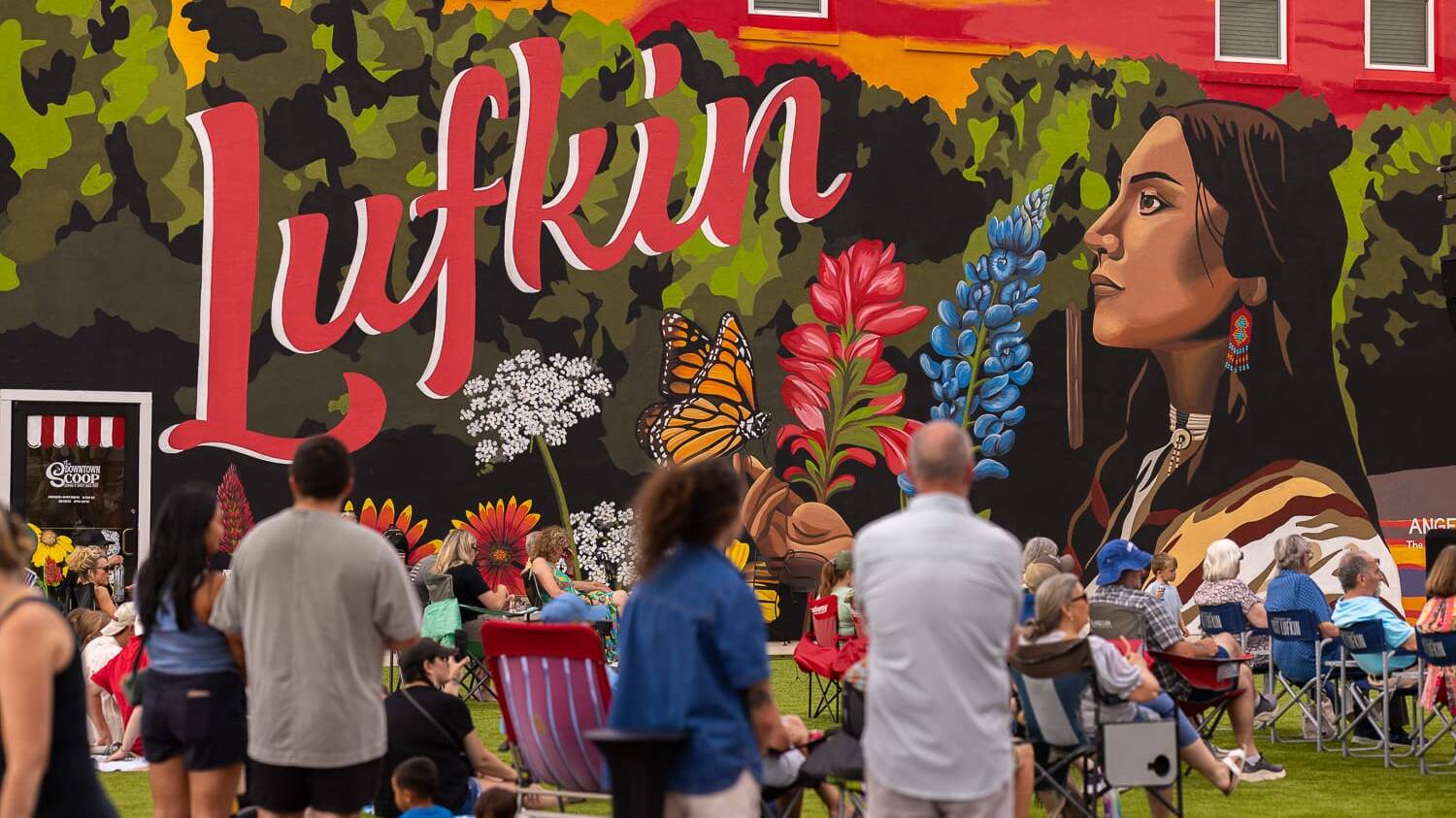
That idea is driving the Deep East Texas Regional Marketing & Advertising Cooperative — a collaboration involving eight counties from the start, including seven within the T.L.L. Temple Foundation region: Angelina, Nacogdoches, Cherokee, San Augustine, Rusk, Sabine and Houston counties. Walker County, which borders the region, is also participating, and several others are soon to come on board.
Melanie Colclough, Senior Program Officer for Human Services and Arts & Culture at the T.L.L. Temple Foundation, said the natural beauty and authentic experiences found in rural communities often go unnoticed by those outside the region, but when communities collaborate, they can share the full strength of what the region has to offer.
"Showcasing our collective story will hopefully yield a long-term impact, which ultimately means stronger local businesses, more activity downtown, and communities that are better positioned to sustain themselves."

— Melanie Colclough, T.L.L. Temple Foundation
The goal is clear: market Deep East Texas as one connected destination rather than a collection of small towns competing for attention.
But this isn’t just tourism. It’s regionalization. It’s economic development. It’s rural collaboration in action.
From Vision to Workgroup
At the center of the effort is Tara Hendrix, Director of Tourism and Marketing for Visit Lufkin in Angelina County, who has spent years imagining what regional tourism could look like if East Texas marketed itself more like the Hill Country.
“When I came into the position, I noticed that Texas is divided into tourism regions,” Hendrix said. “We’re part of the Texas Forest Trail Region. But the Forest Trail Region is the largest of all of them. That’s a huge region — not something you’d day-trip through or use in a hub-and-spoke model like you might in the Hill Country or near Dallas or Houston.”
Instead of trying to fit Deep East Texas into a statewide structure spanning hundreds of miles, Hendrix and her partners began building something more local and practical.
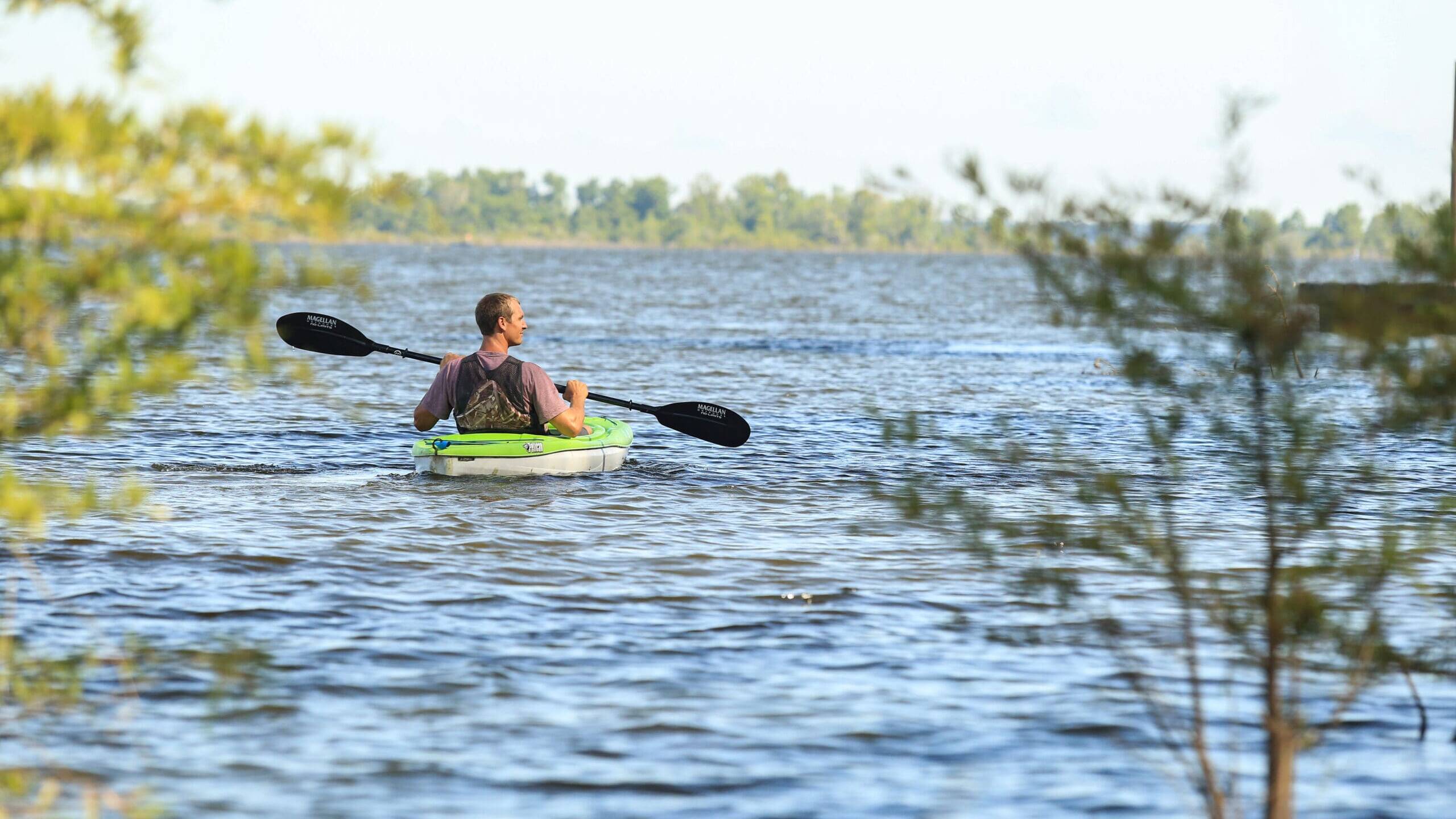
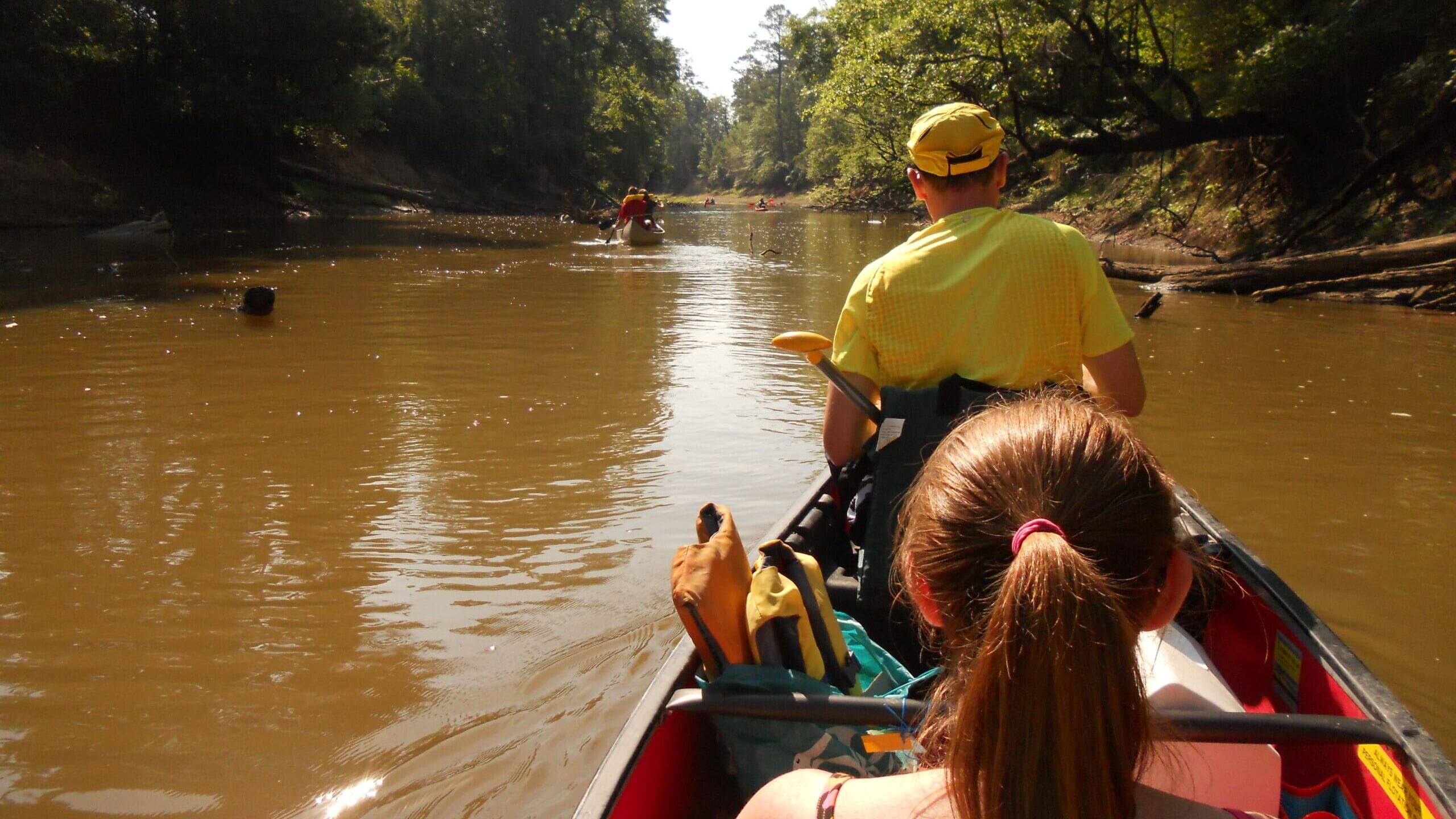
“Lufkin is the hub for about a 12-county region,” she said. “We realized we share many similar assets — the Angelina National Forest, the Davy Crockett National Forest, Lake Sam Rayburn, the Angelina River and the Neches River.”
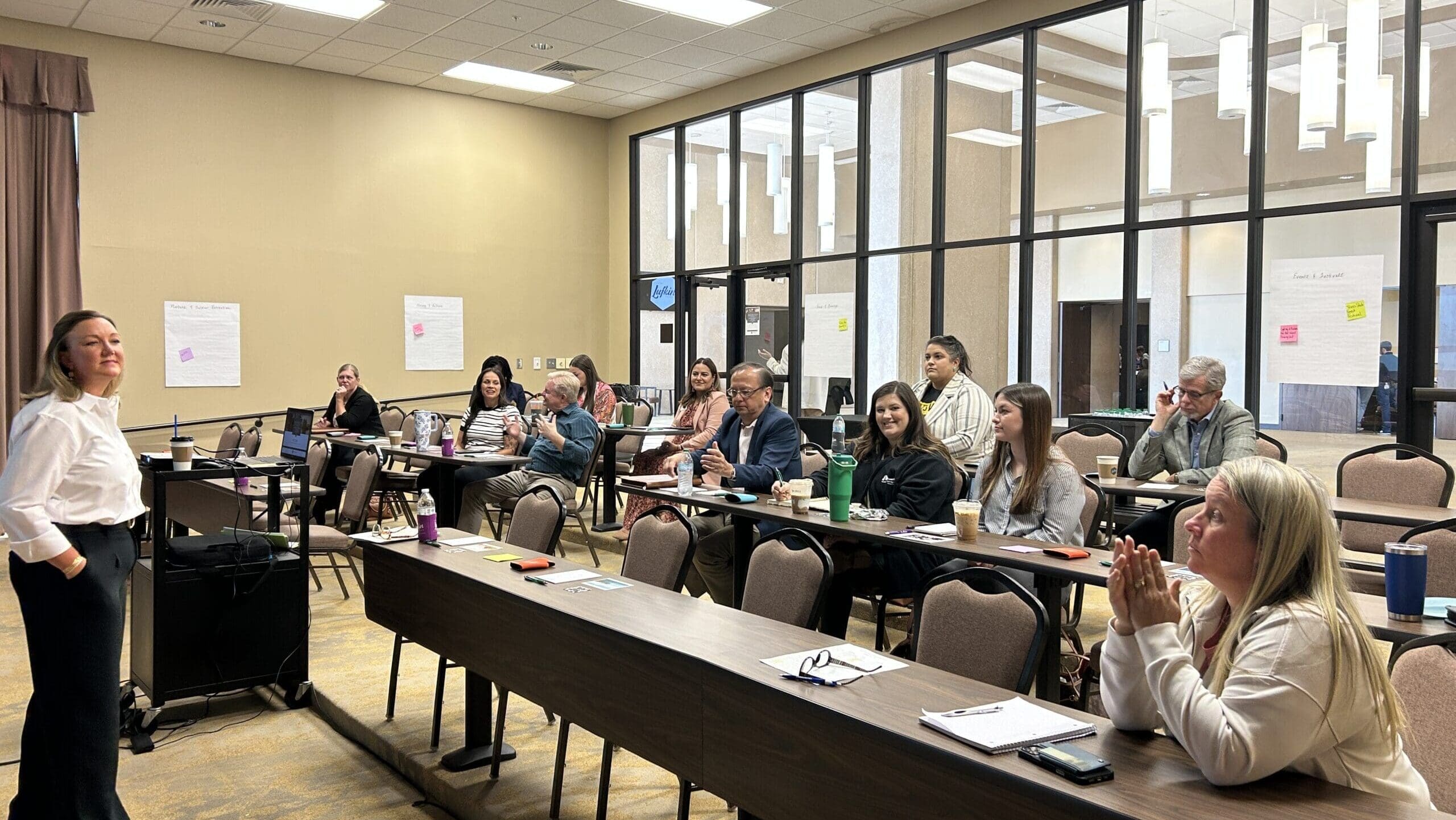
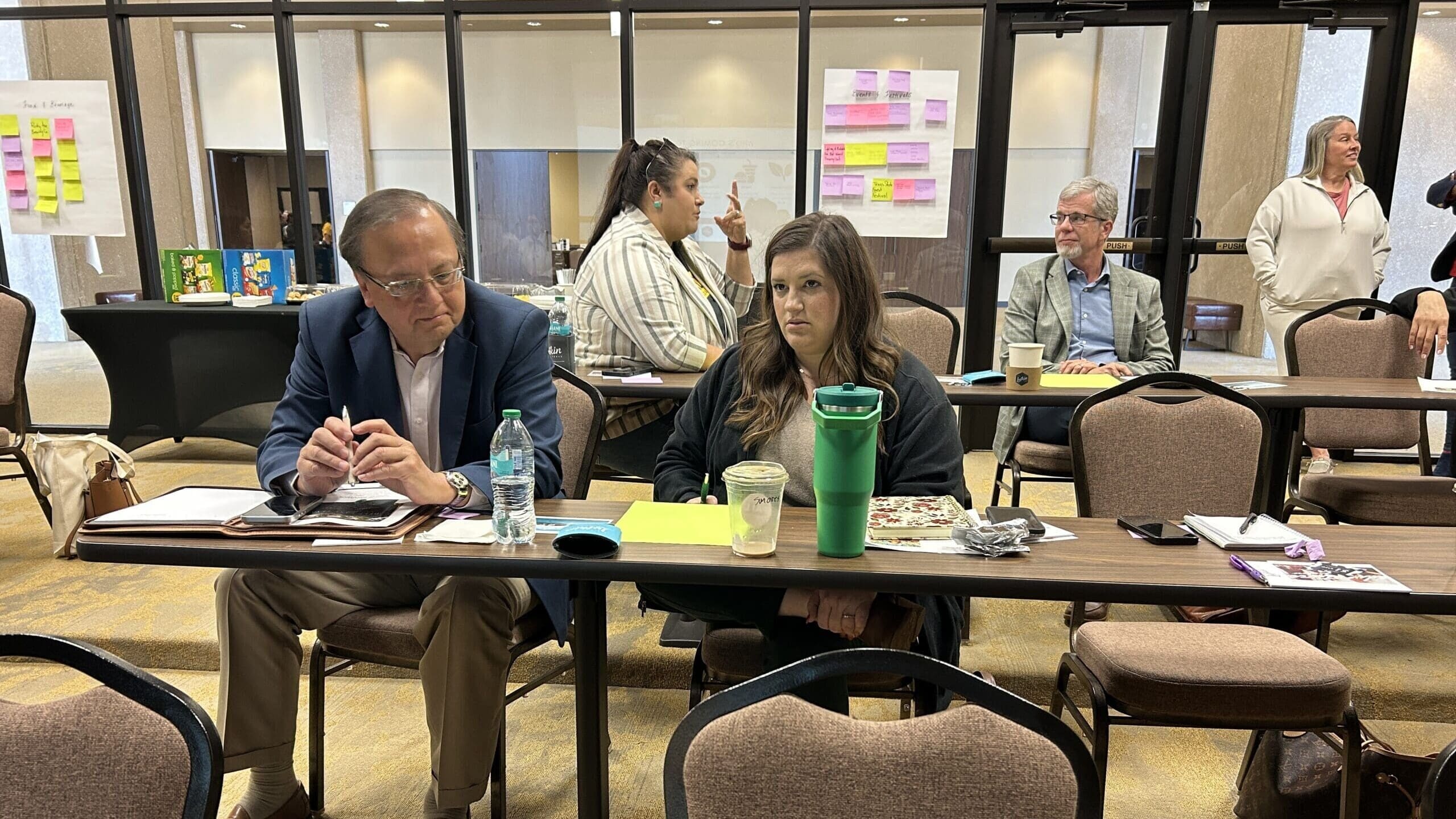
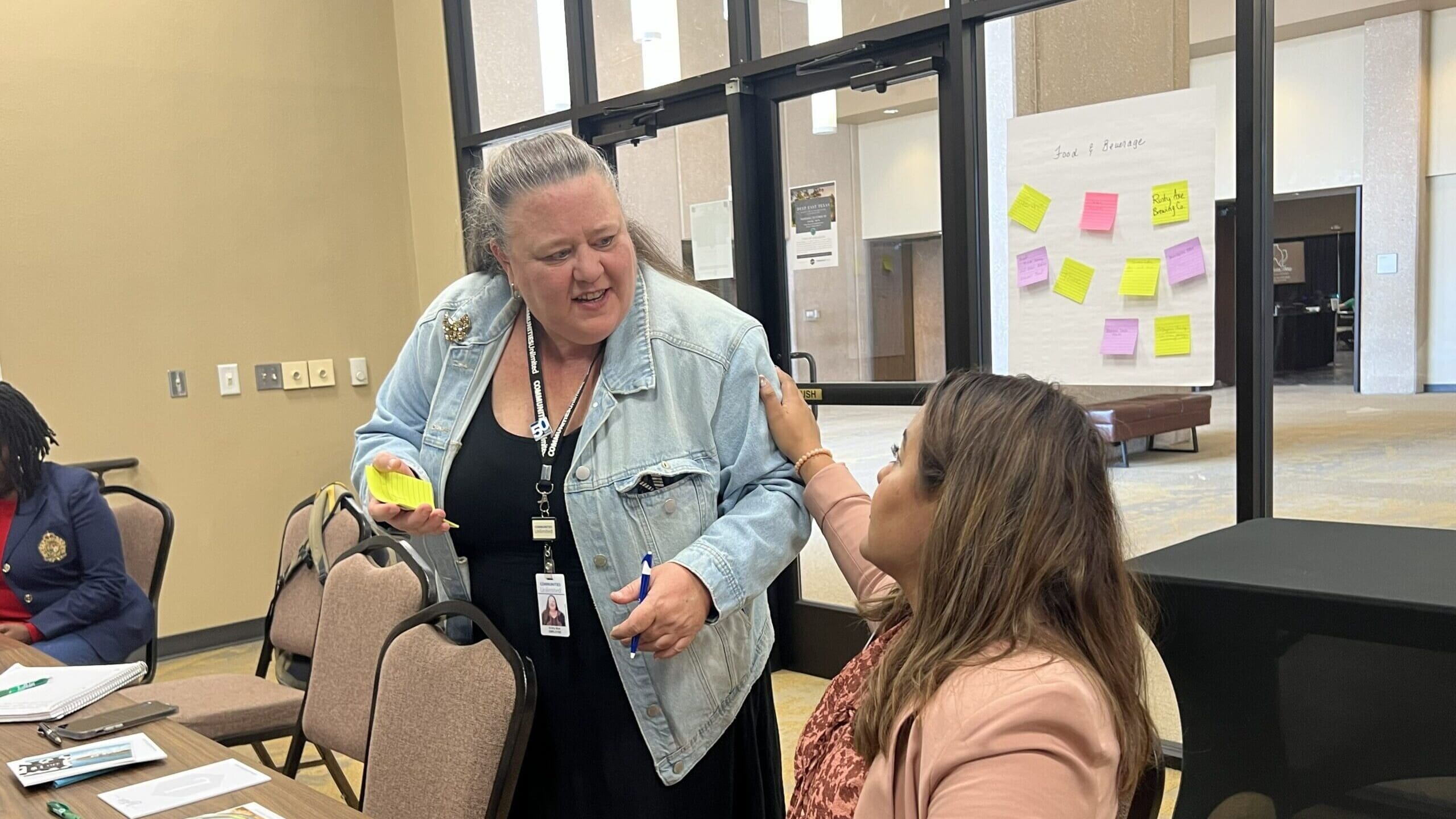
The group began meeting in October 2025 and has met monthly since. Visit Lufkin provides tourism expertise. The Community Sustainability Team at Communities Unlimited (CU), with Senior Facilitator Kristy Bice, serves as connective tissue — bringing communities to the table, coordinating between meetings and ensuring smaller towns with limited staff aren’t left behind. CU’s work in East Texas is made possible through the ongoing support of the T.L.L. Temple Foundation.
“Kristy has been invaluable,” Hendrix said. “We couldn’t have done this without Kristy and Communities Unlimited making those connections and keeping the momentum going.”
Defining the Region Before Designing It
“The first thing we had to do was establish who we are,” Hendrix said.
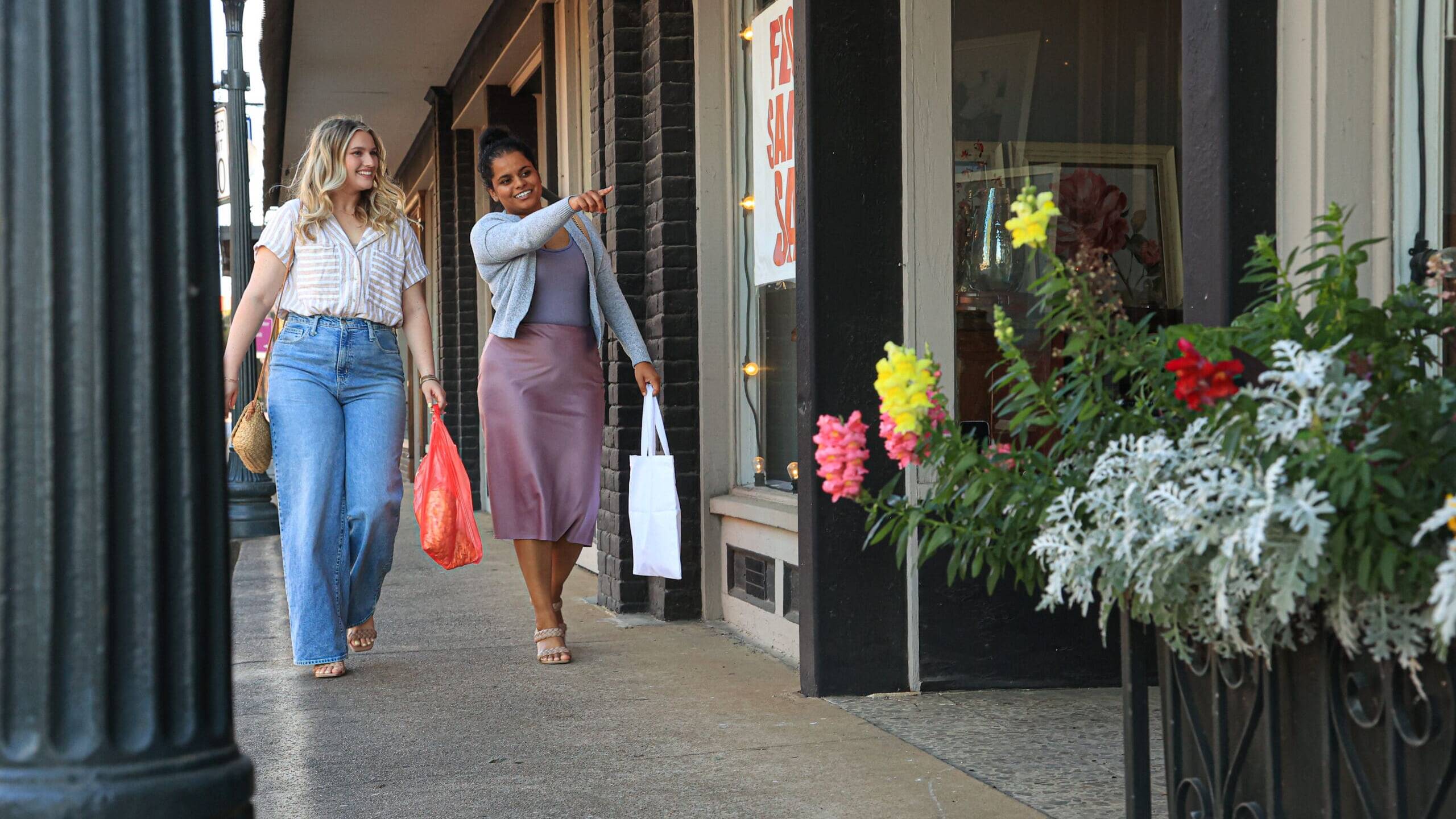
The work has gone well beyond logo concepts. The co-op is developing a regional tagline and visual identity, but leaders have also defined a brand voice, color palette and target audiences. They’ve identified specific traveler profiles — adventure seekers, heritage travelers, multi-generational families, arts and culture visitors and shopping-focused travelers — grounding their strategy in data rather than assumption.
“A logo is part of it, but we’ve also talked about target markets, personas and pain points,” Hendrix said. “What keeps someone from visiting? How do we address that?”
For Alexa Duke, Tourism and Main Street Coordinator for the City of Henderson in Rusk County, part of that work means reshaping perception.
“When people think of Texas — especially people who’ve never been here — they picture West Texas. Desert. Snakes. Cowboys in the dirt,” Duke said. “But when people come to East Texas, they say, ‘Oh my gosh, this looks like Tennessee.’”
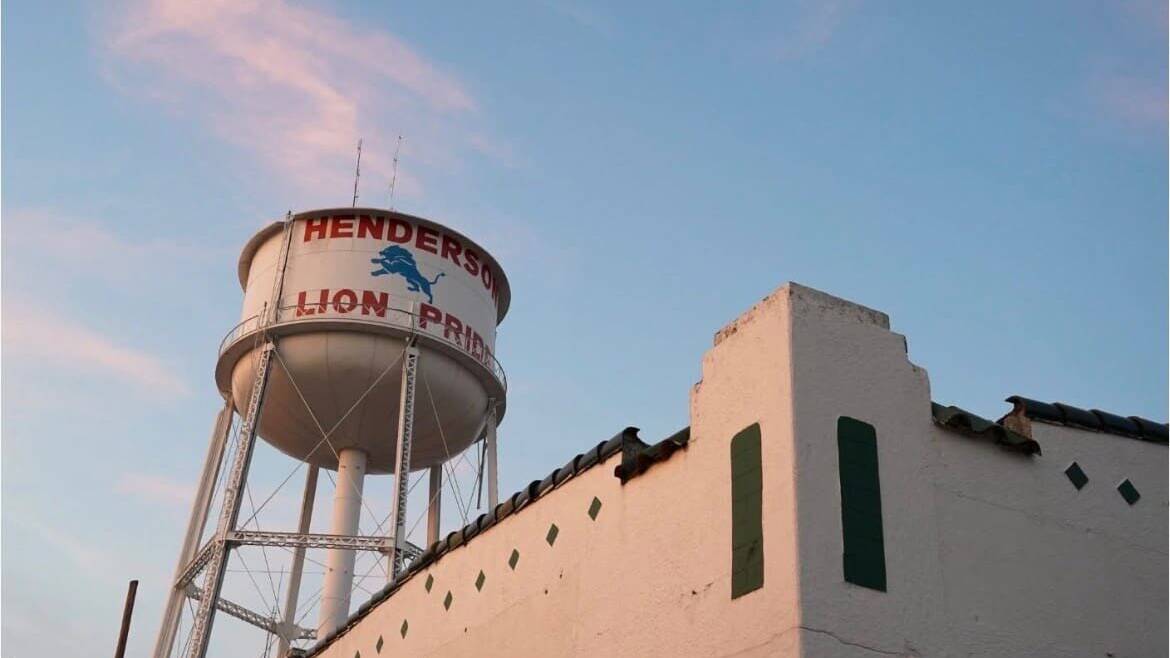
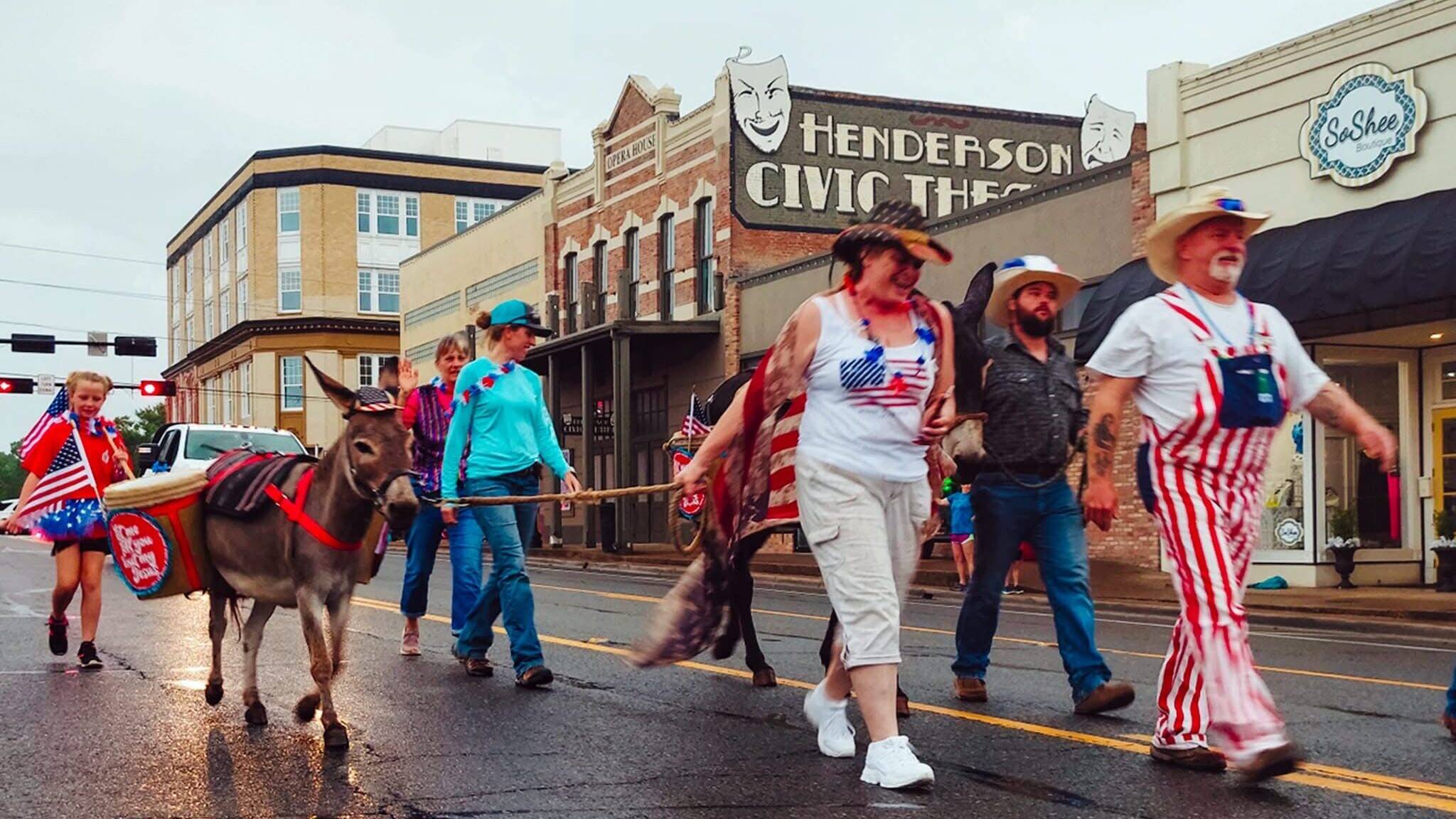
Changing that mental image is central to the co-op’s strategy.
Turning Assets into Regional Experiences
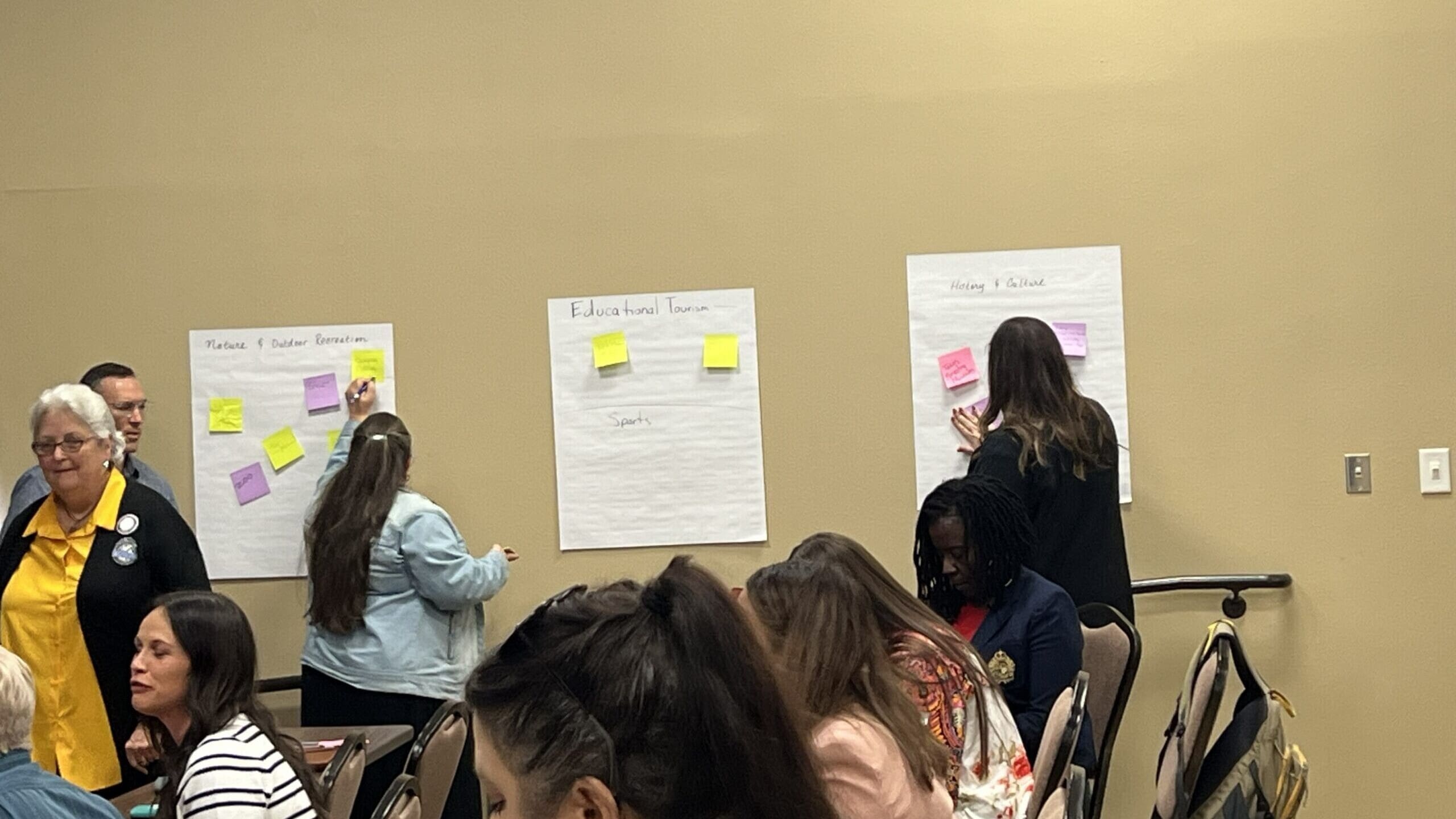
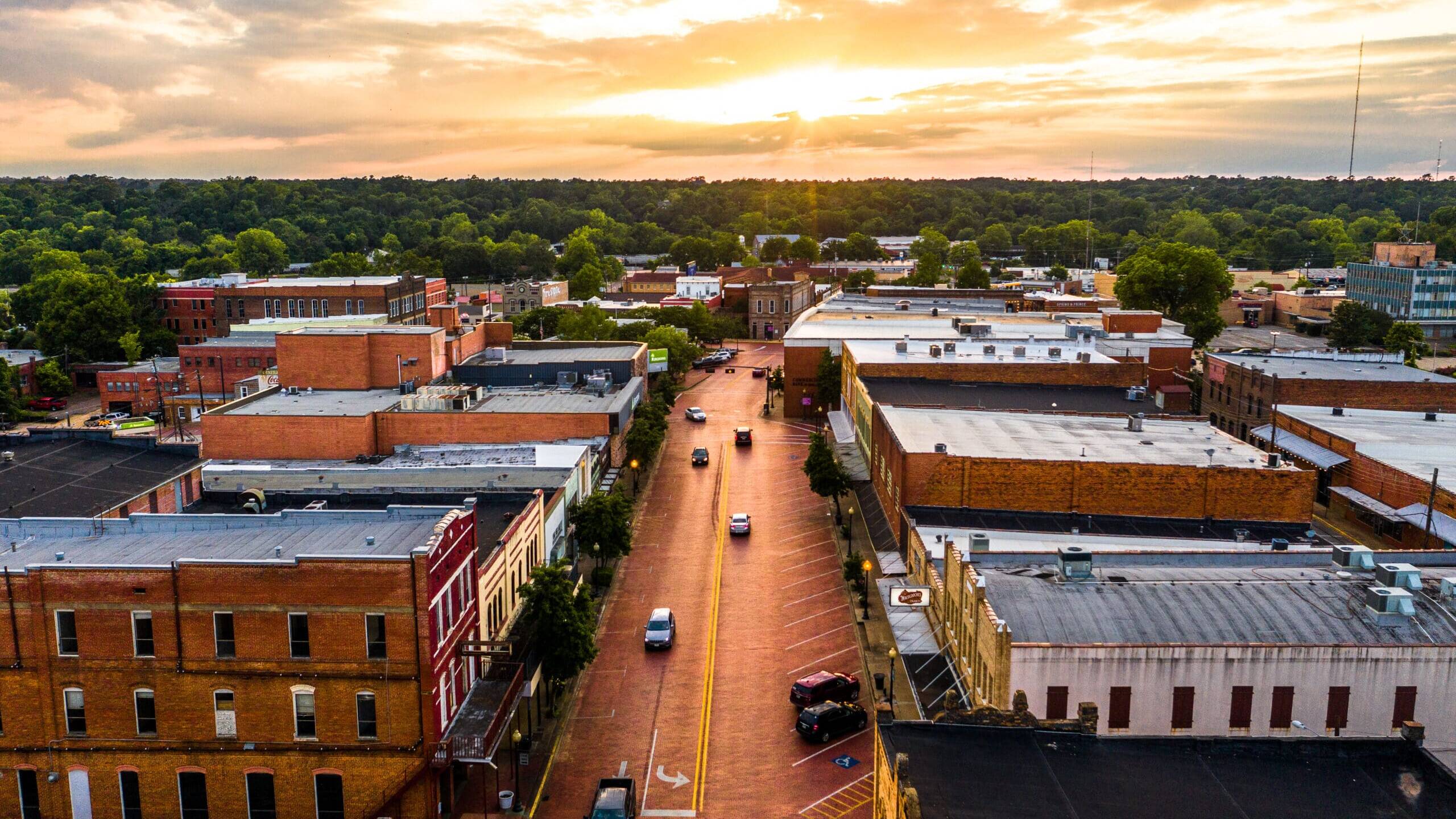
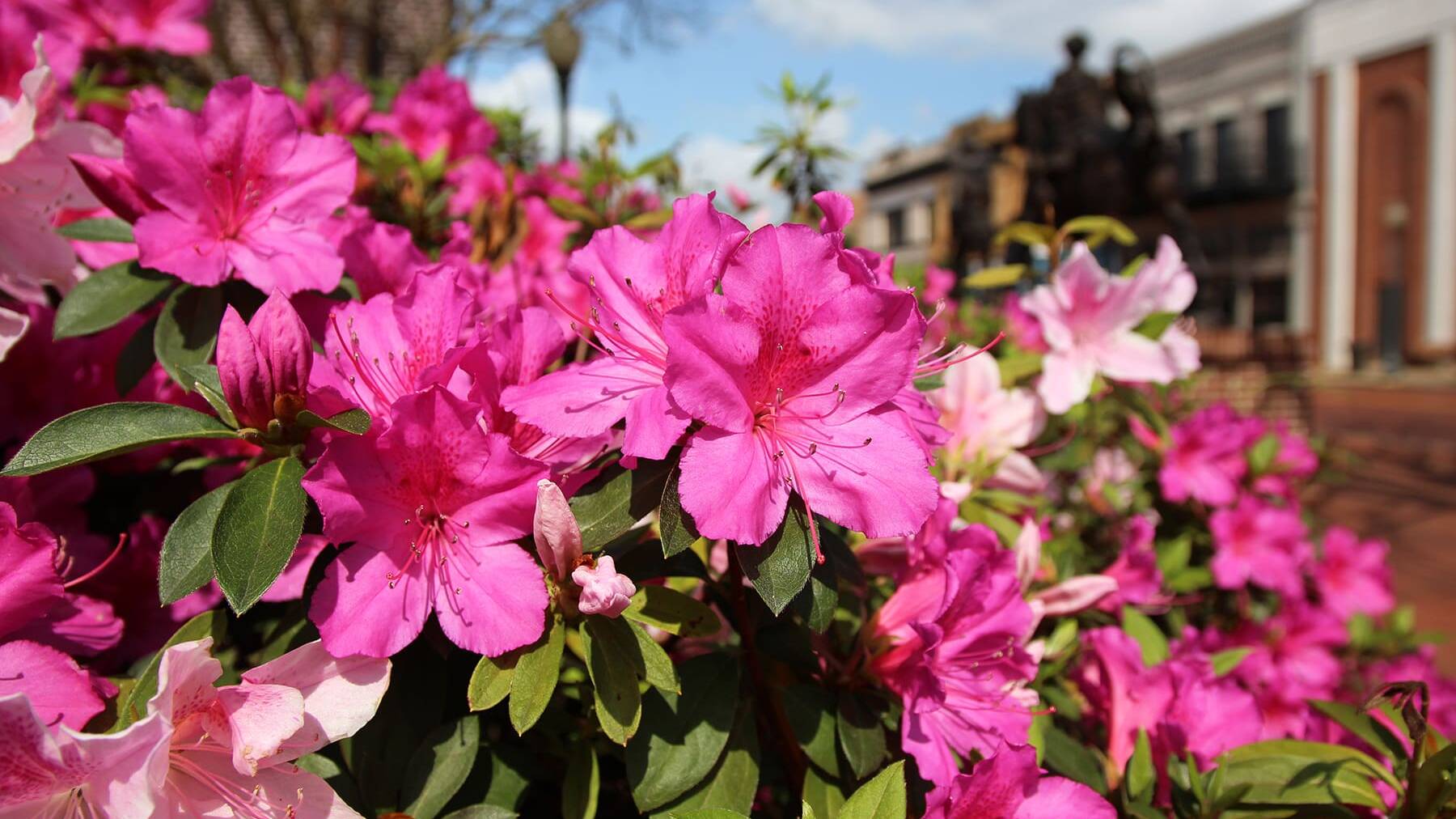
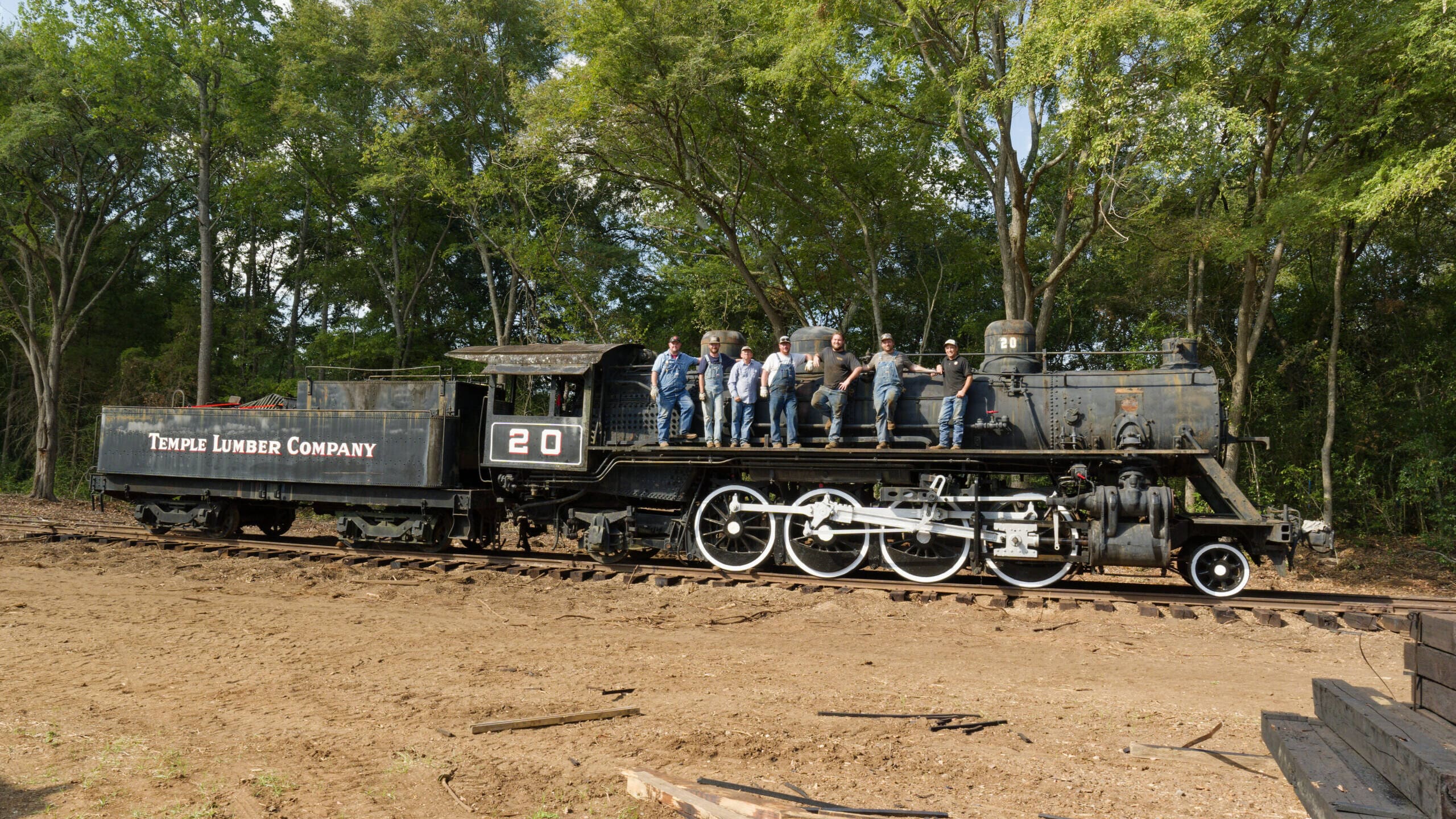
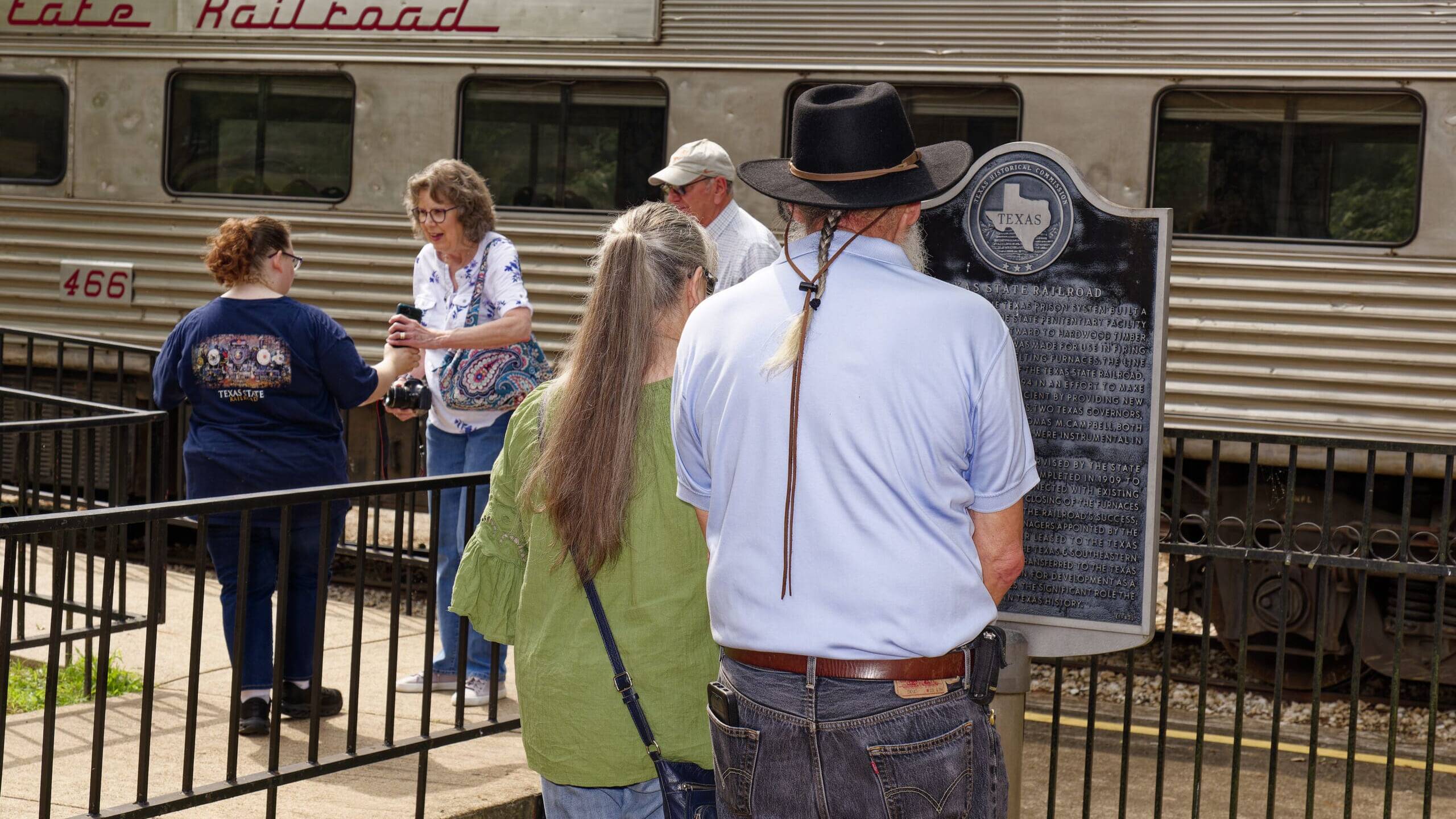
One of the most important pieces of groundwork has been creating a shared asset inventory. Each participating community is identifying roughly 10 core attractions in a working spreadsheet — from the Texas State Railroad in Rusk and the Texas State Forest Festival in Lufkin to Sam Rayburn Lake, national forests, wildflower trails, wineries, theaters and cultural anchors like the Ellen Trout Zoo.
Assets are categorized by type and seasonality, allowing the region to build two- to three-day themed itineraries that encourage visitors to travel across county lines rather than stopping in one town.
“Once we gather all of those assets together, we can identify our common themes and package them strategically — whether that’s festivals, outdoor adventure or arts and culture,” Hendrix said.
“That’s the key to establishing a regional destination,” Morgan said. “We all have something to gain from it, and it’s exciting that everyone is willing to play a part.”
Sharing the Spotlight — and the Budget
A major advantage of the co-op model is shared visibility.
“We’re looking at regional advertising — statewide magazines like Texas Highways and possibly even national publications like Southern Living,” Duke said. “Those are opportunities I could never afford on my own.”
By pooling resources, communities can pursue coordinated placements and strategic storytelling that elevate the entire region. The group is also exploring partnerships with content creators and travel influencers to expand its reach in authentic ways.
AJR Media, a tourism-focused marketing and media firm that works with destinations across Texas, is advising the co-op and may help produce a formal regional marketing package to present a unified identity.
“When you have a number of small communities with limited marketing budgets, getting them to work collectively and pool their resources in a co-op environment is incredibly resourceful,” said Nicole Juel Sánchez, Account Director with AJR Media. “Storytelling gives people fresh ideas about destinations that may not already be top of mind.”
The financial structure is intentionally flexible. Larger communities may contribute more toward certain placements, while smaller cities participate at levels that match their capacity. The philosophy is inclusion, not uniformity.
Momentum Beyond Tourism
In Rusk, Carlton Crothers, director of the Economic Development Corporation in Cherokee County, says the regional effort aligns with what the city has already been pursuing — focusing on “low-hanging fruit.”
“We’re focusing on the assets we already have and promoting them better,” Crothers said.
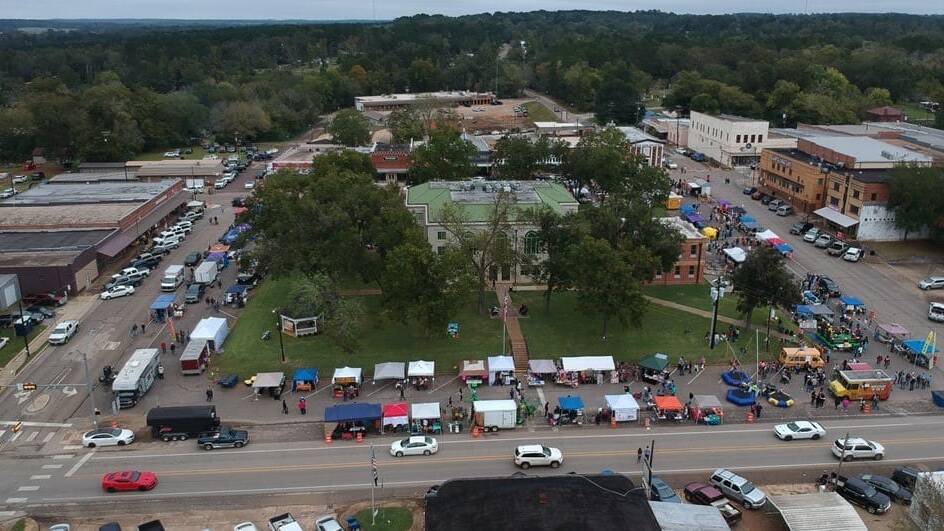
That includes bringing steam locomotives back to the Texas State Railroad — an attraction that draws visitors from well outside the region — and increasing marketing around the city’s four major annual events: Fair on the Square, Scare on the Square, Hometown Christmas and the Christmas Parade, each drawing anywhere from 5,200 to 5,500 attendees.
Crothers said the city is also working to better connect its local history to the broader story of Texas — from the Republic era and early statehood to the development of the state’s constitution.
“We’ve already seen increased visitor traffic supporting local retail, restaurants and lodging,” he said.

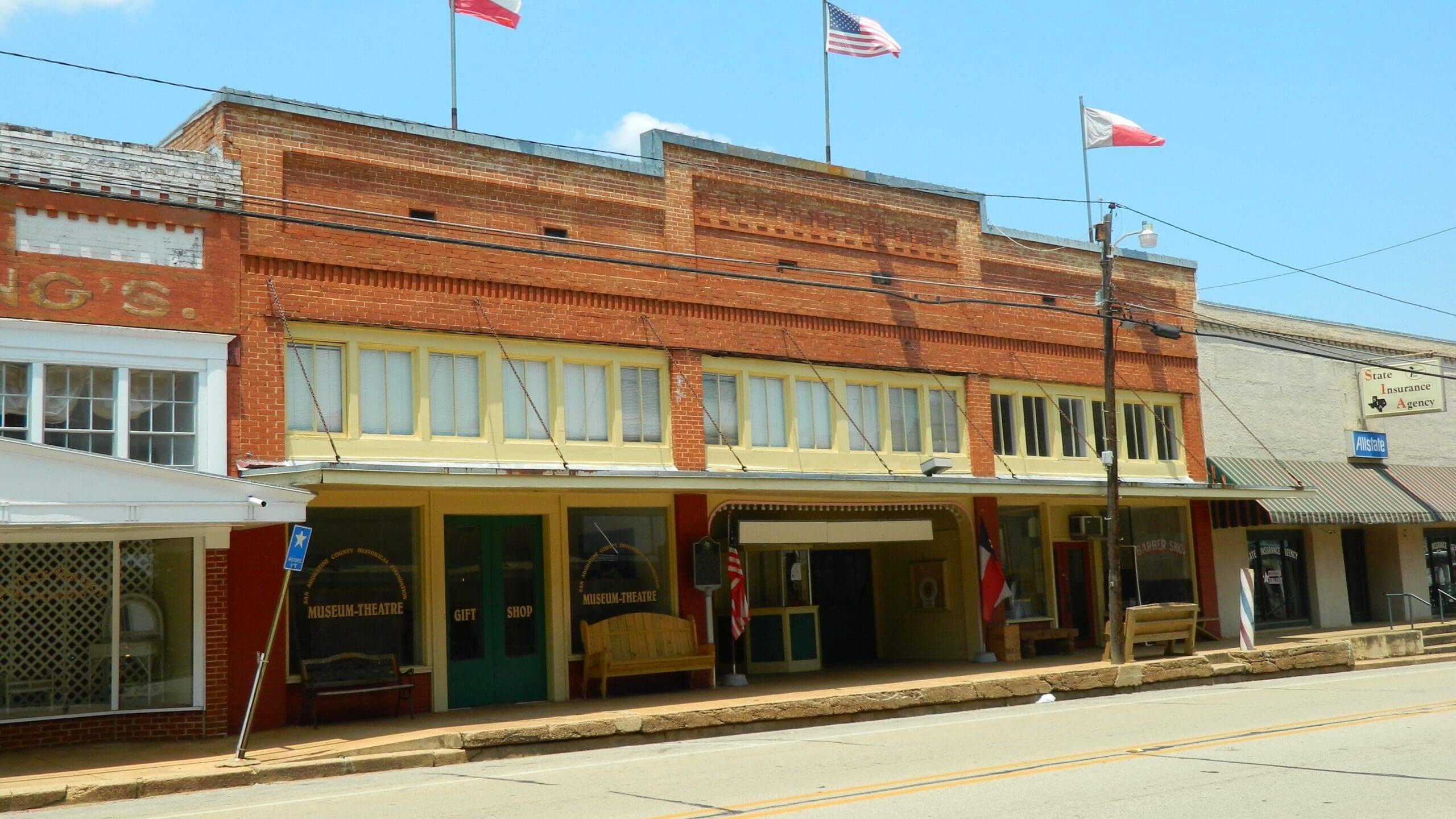
In San Augustine County, Shelby Curtis, Economic Development Director for the City of San Augustine, described the effort as foundational.
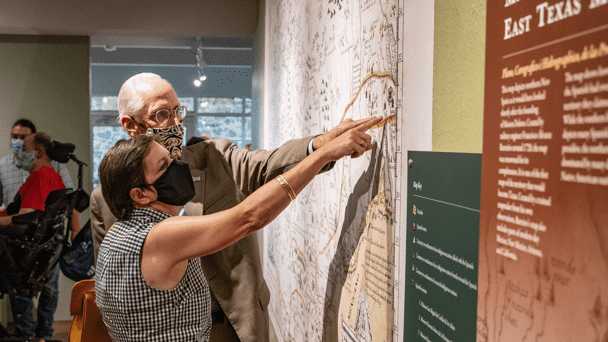
For Curtis, the value of regional collaboration became clear during a major cultural moment for the city. She said the realization began in 2024, shortly after she started in the role, when San Augustine was selected as one of seven cities to host a Smithsonian exhibit — an honor that felt significant for the community.
Curtis admitted she initially felt protective of the opportunity because it meant so much to San Augustine. But when surrounding communities began creating their own exhibits, programs and events connected to the Smithsonian visit, it shifted her perspective.
Instead of competing, nearby communities found ways to complement the exhibit by highlighting their own history, hosting related events and encouraging visitors to explore the broader region.
“That showed me how powerful regional collaboration can be,” Curtis said. “It made me see that we don’t have to keep everything to ourselves. So having the opportunity to advertise our region as a whole — and still showcase what makes San Augustine special — is a big deal for us. It gives our businesses more exposure than we could generate on our own.”
A Bigger Microphone
For Hendrix, the vision stretches five to 10 years into the future.
“My hope is that Deep East Texas becomes known for outdoor adventure, access to the arts and weekend getaways,” she said. “I want people to automatically think of this region when they’re planning a drive-market trip.”
The goal, she added, is larger than tourism alone.
“No one advocates for your area but you,” Hendrix said. “Deep East Texas has so many incredible assets, and we want to showcase all of them.”
Crothers echoed that sentiment.
“The Deep East Texas co-op gives us a bigger microphone. When small towns share the microphone, the entire region gets louder.”
— Carlton Crothers
Eight counties. One shared story. And a region proving that when rural communities speak together, people start listening.

