


Inside the Paris, Texas, city limits, newly built homes represent something increasingly rare in many rural communities: a chance for working families to buy a brand-new house at a price they can realistically afford.
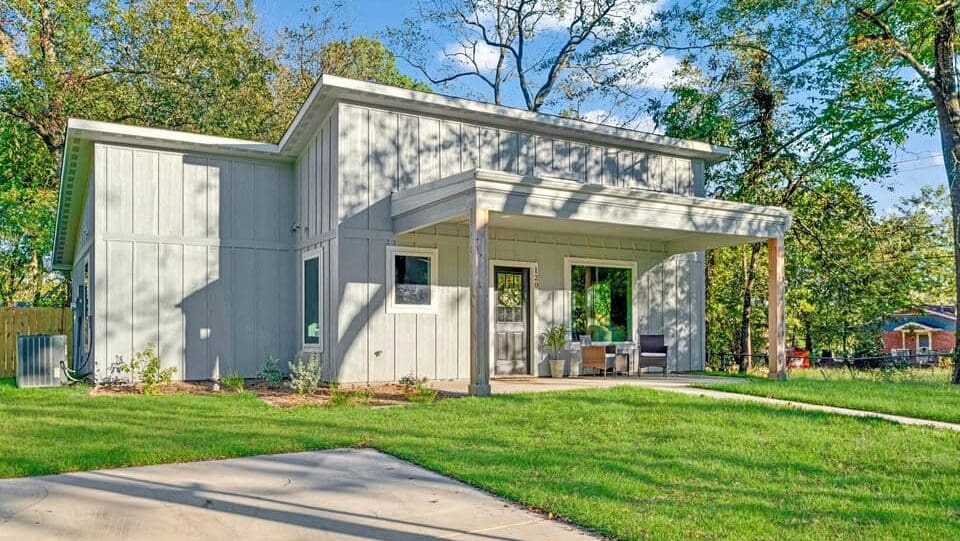
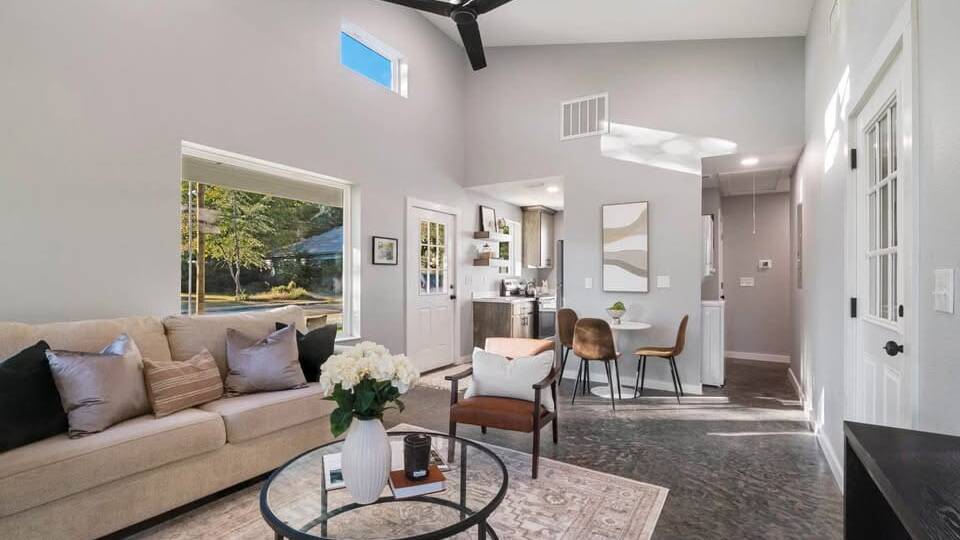
Built by the local nonprofit Cultiv8 Community, the homes are part of an effort to expand attainable homeownership in Lamar County. Designed for households earning roughly $35,000 to $55,000 a year, the small, energy-efficient houses are priced within reach of local workers.
One of the first two homes built by the organization has already sold, and the second is currently on the market. For Cultiv8 Community, the milestone reflects years of community work taking a new direction — helping neighbors build stability through homeownership.
From Restoring Habitat to Building Homes
Founder and CEO Rob Spencer originally launched the nonprofit as an environmental conservation organization focused on restoring grasslands and supporting native pollinators. Spencer and his family have spent more than a decade restoring native habitat on their farm northwest of Paris, work that began with improving conditions for monarch butterflies.
Over time, the project expanded. Local school districts began bringing students to the farm to learn about nature and conservation, eventually leading to outdoor camps where children study birds, bees, butterflies, and native plants. To date, more than 4,000 students have participated.
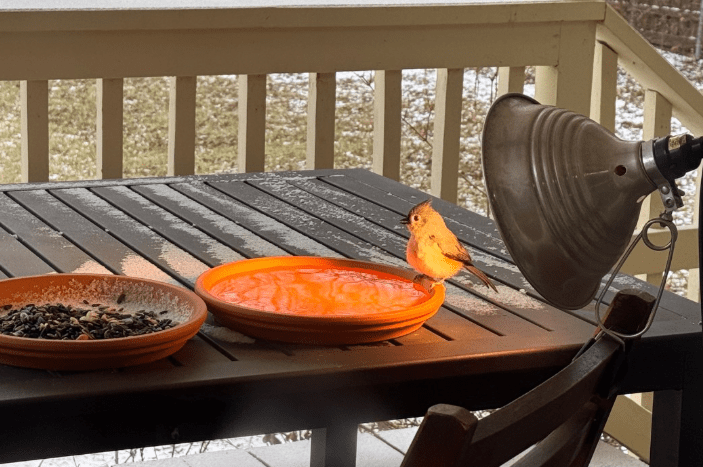
The work, Spencer said, has always centered around habitat.
“Our mission is to connect neighbors, engage people with nature, and restore life-giving habitats,” Spencer said.
Spencer explained that healthy ecosystems require the right conditions to support life. If monarch butterflies don’t have milkweed, they cannot raise their young. In the same way, he said, communities need safe and stable housing for people to thrive.
“When key pieces are missing from a habitat, life becomes difficult,” Spencer said. “When enough pieces are missing, life can’t thrive at all.”
Housing eventually became the next step in that philosophy.
Addressing a Local Need
Cultiv8 first focused on renovating older homes, restoring three houses and selling them to first-time buyers. But the experience revealed the challenges of aging housing stock, including structural issues and difficulty improving energy efficiency.
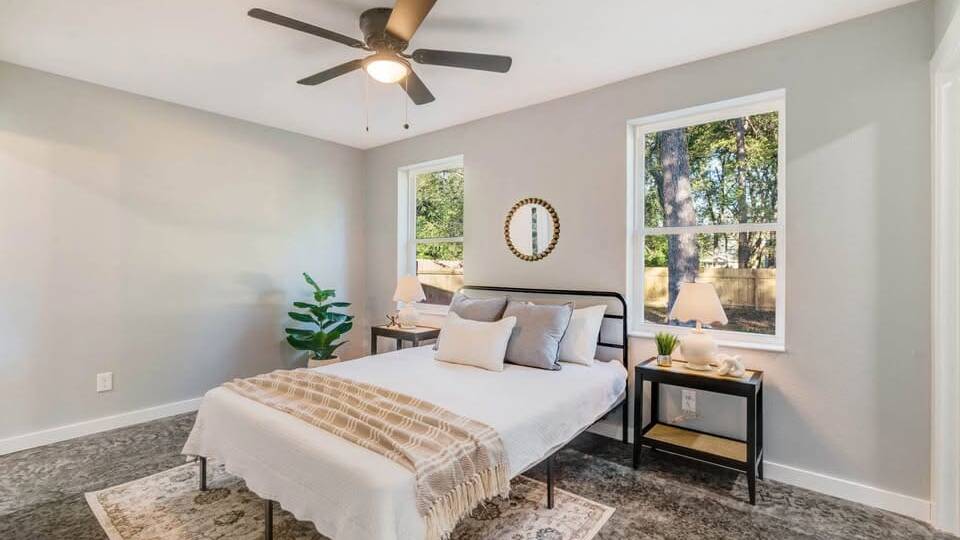
Today, the nonprofit focuses on new construction. Most homes range from about 800 to 900 square feet for two-bedroom houses or around 1,100 square feet for three-bedroom layouts.
Spencer said building new homes allows the organization to create tighter, more energy-efficient houses that provide families with a strong starting point for homeownership. In January, Cultiv8 sold the first of its two newly built homes.
Creating a Path to Ownership
Cultiv8’s housing program focuses on buyers who often fall into a difficult middle ground — households earning enough to sustain a mortgage but not enough to compete in the traditional housing market.
Homes this size are often purchased by investors and turned into rental properties rather than sold to first-time buyers.
Spencer said the organization hopes to change that dynamic.
“It’s important because nobody is really building small, affordable homes like this and selling them,” Spencer said. “When homes this size are built, they’re usually turned into rentals.”
That reality can keep families paying rent indefinitely instead of building equity through homeownership.
“We want to help people put their money into a home they own. Homeownership is one of the pathways out of poverty.”
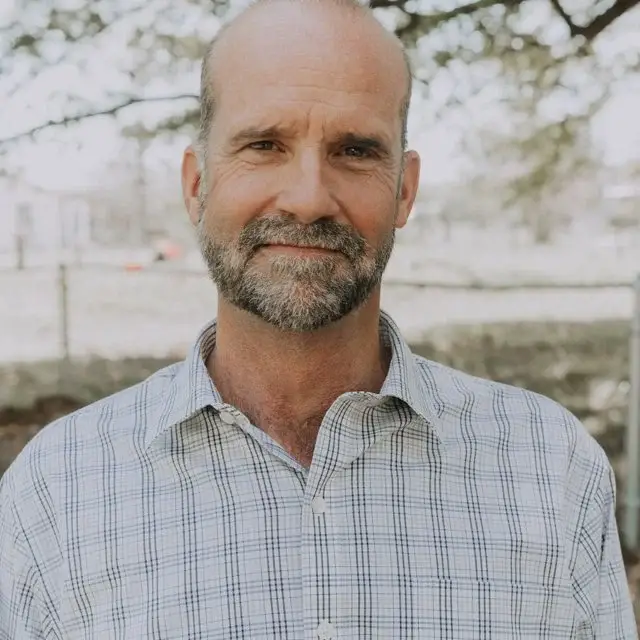
— Rob Spencer, Cultiv8 Community
Support for First-Time Buyers
As Cultiv8 expands its housing work, the Housing Team at Communities Unlimited (CU) is working alongside the nonprofit to support future homeowners. The partnership began through a chance meeting in June 2025, when Spencer met CU CEO Ines Polonius while boarding a bus to a site visit at the International Economic Development Council (IEDC) Rural Summit.
During the ride, Spencer peppered Polonius with questions about CU’s work in rural communities. By the end of the day, the two agreed to connect with CU’s Housing Team to explore how the organization could support Cultiv8’s growing housing efforts.
Through the partnership, CU now provides free homeownership coaching for buyers interested in Cultiv8 homes. The coaching helps families prepare for the homebuying process by reviewing credit, building savings plans, understanding mortgage options, and navigating loan applications.
Spencer said the support brings valuable expertise.
“The experience that Communities Unlimited brings is huge for us,” Spencer said. “One of the things we’re most excited about is the potential to build a pipeline of future homeowners. It’s been a joy working with CU, and we’re looking forward to what the future holds.”
CU Director of Rural Housing Audra Butler said expanding affordable housing remains one of the biggest challenges facing many communities. She noted that Cultiv8 Community is helping address that need in Paris by building homes designed for local workers, with CU supporting the effort.
“By helping Cultiv8 build its capacity to serve its neighbors and community, CU is helping to build the people who build homes and opportunities. I am excited to support Cultiv8 as they expand their impact and to help families in Paris realize the American dream of homeownership.”

— Audra Butler, Communities Unlimited
Building Toward the Future
Cultiv8 Community’s housing program remains small but growing. The organization currently builds about two homes per year, though Spencer said that number could increase with additional funding.
“If additional funding opportunities come through, we could potentially build five homes a year,” Spencer said. “But we’re still fairly new to this work, so we’re learning as we go.”
The sale of the first homes will help fund future construction, and additional vacant lots inside the city are already available for development.
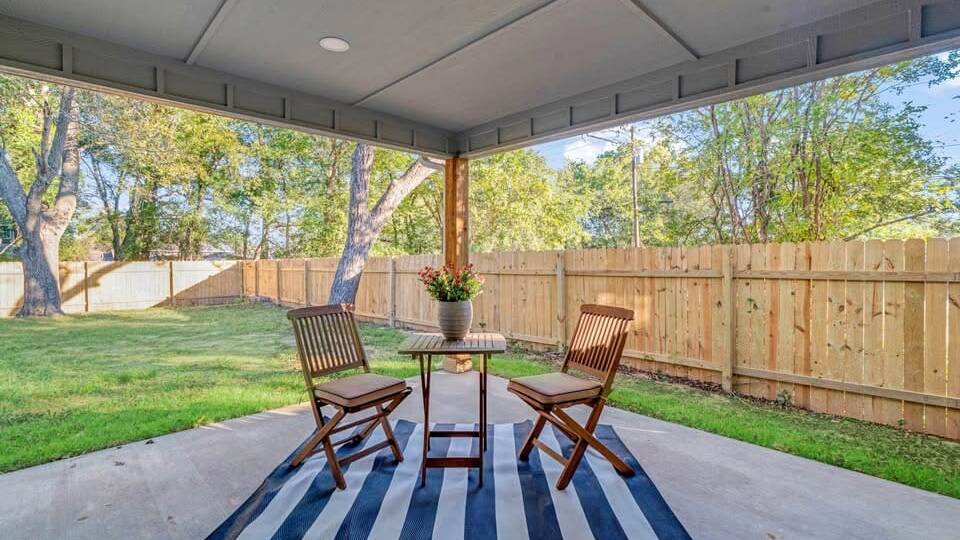
The second home currently on the market, located at 1337 E. Houston Street, is a three-bedroom, two-bath house that includes installed appliances and a large backyard with an additional fenced area suitable for children or pets.
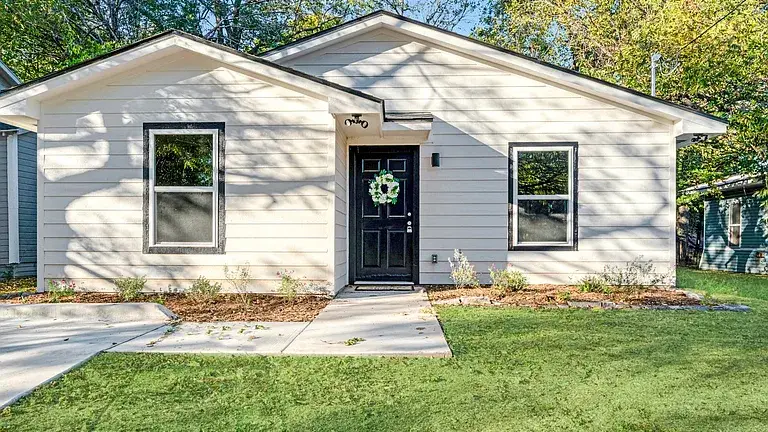
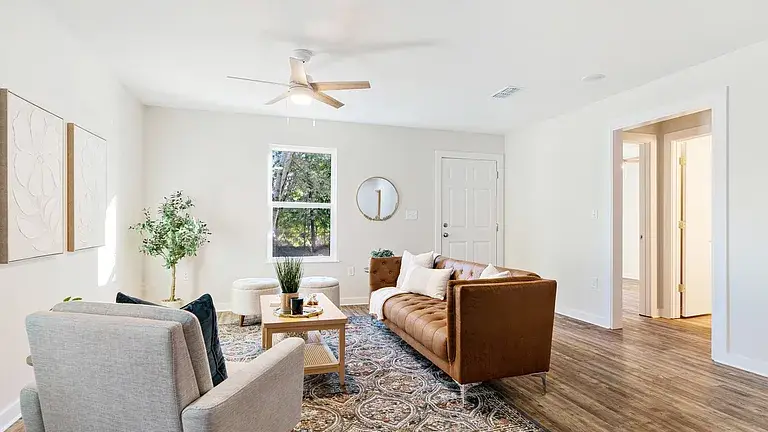
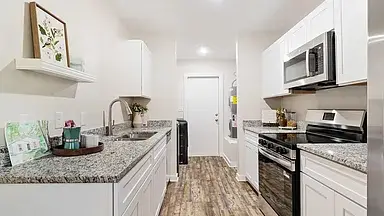
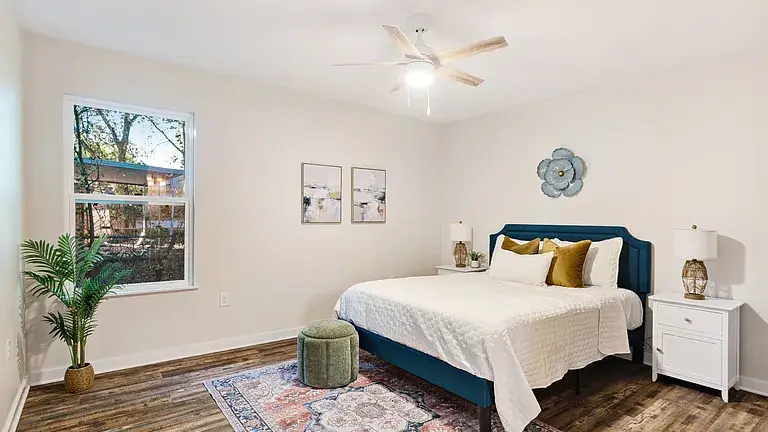
Spencer hopes to have the home sold within the next month or two.
Looking ahead, Cultiv8’s broader vision remains unchanged from its early work restoring grasslands and pollinator habitats — building the conditions where communities can thrive.
In Paris, that vision is taking shape through homes local families can actually afford to own.

