


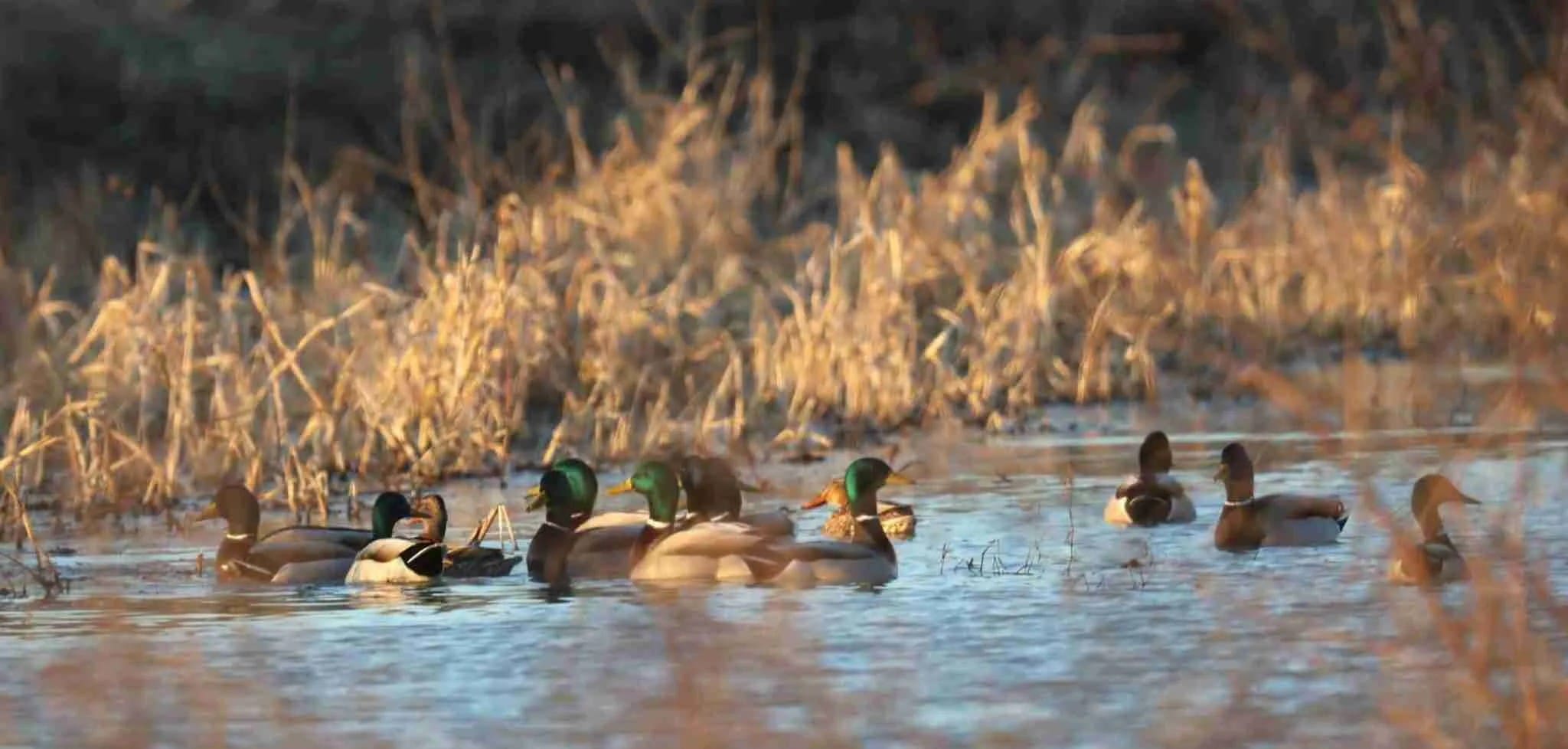
In the far southern edge of Arkansas, tucked into the timberlands of Union County near the Louisiana border, the small town of Felsenthal is known less for its size and more for its season.
With a population of 56 residents, Felsenthal is a quiet place most of the year — a community built around camps, second homes, and the sounds of the outdoors. But come winter, everything changes. Duck season transforms the town into a hub of activity, drawing hunters and visitors from across the region. For a few critical months, the population swells, and the town’s infrastructure is pushed to its limits. In fact, the system serves 264 water and wastewater connections.
In November 2025, those limits were reached.
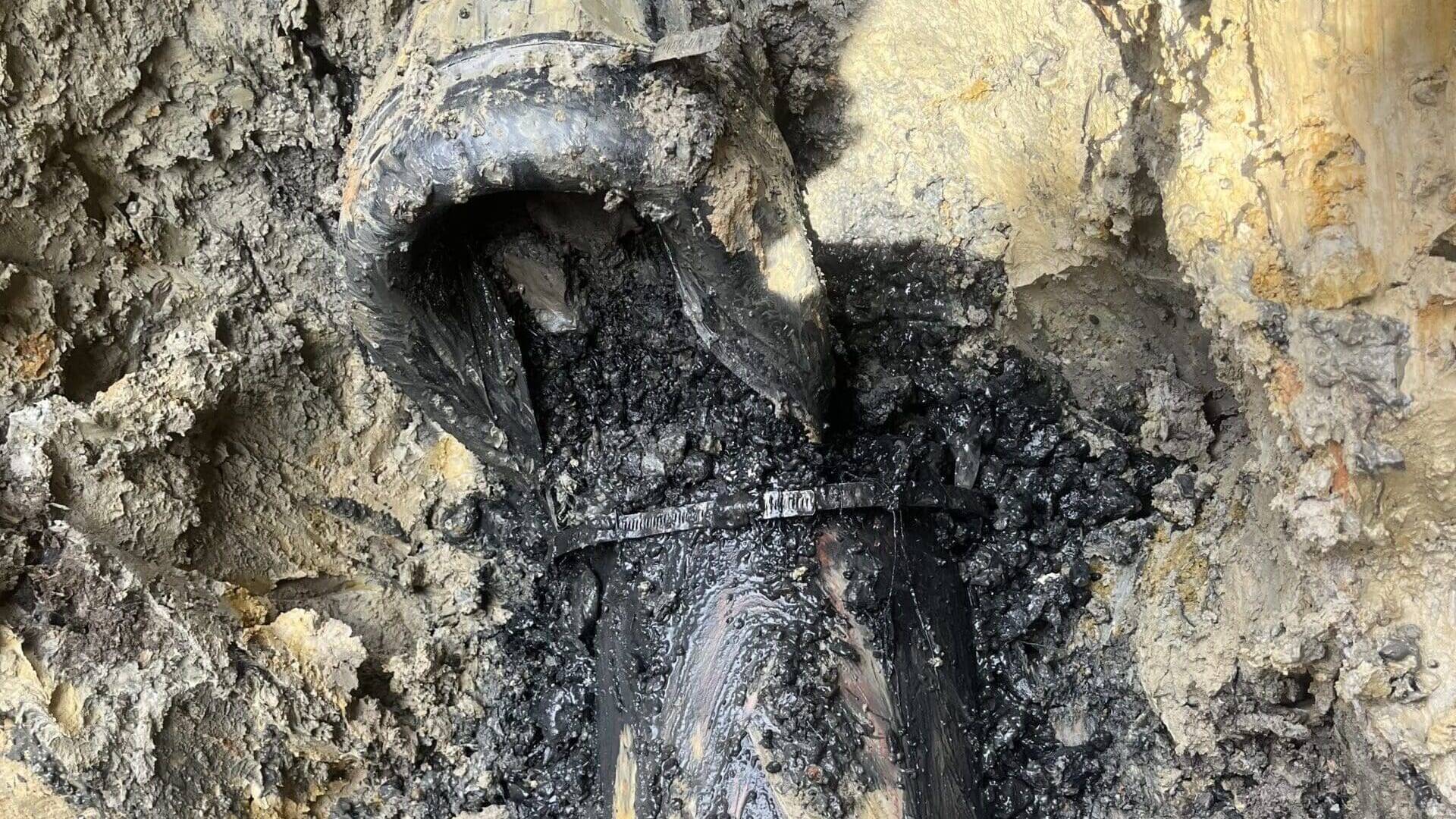
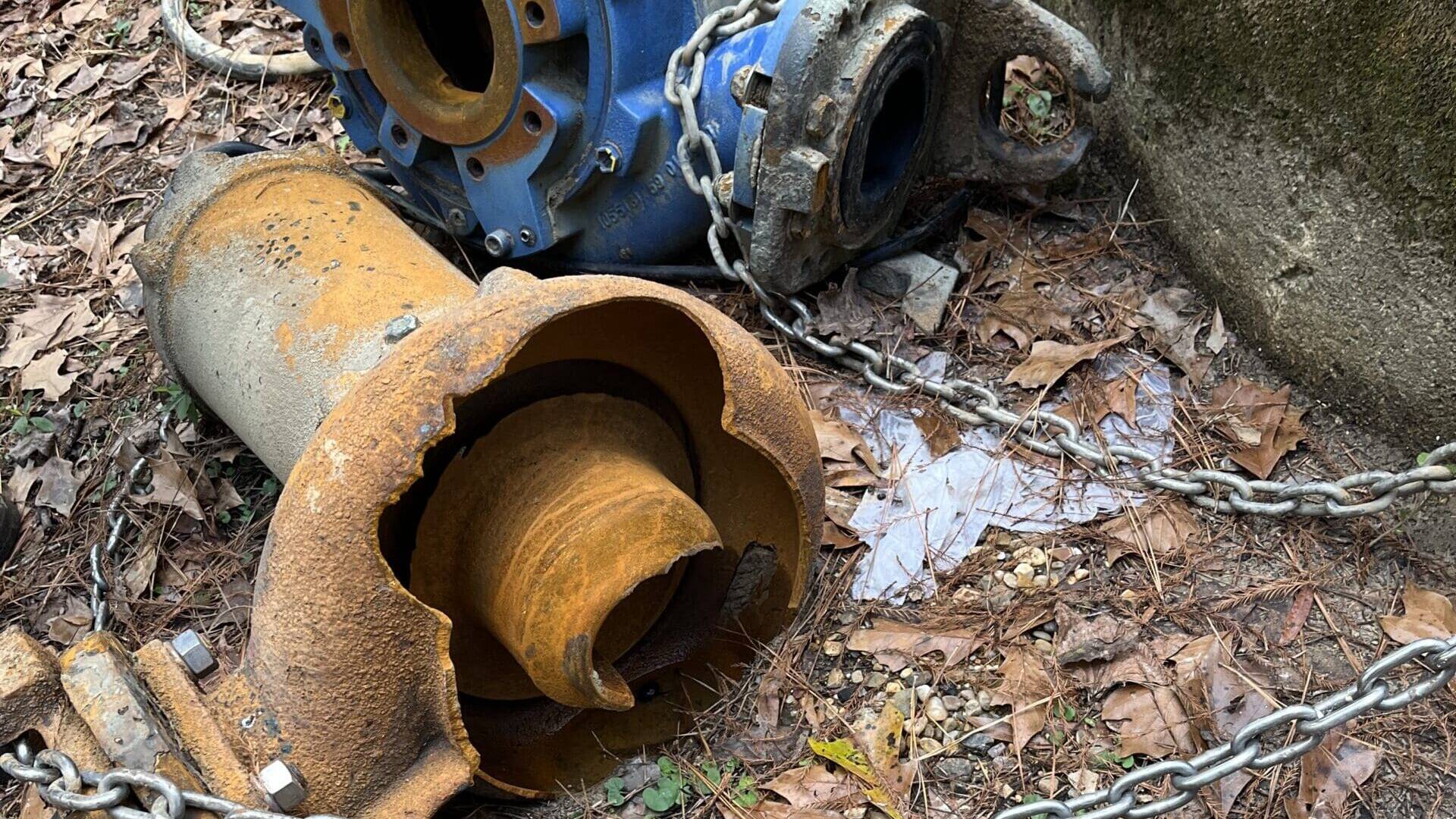
Just days before the start of duck season, Felsenthal’s wastewater system suffered a catastrophic failure. Two pumps at a lift station went down — and couldn’t be repaired. What initially appeared to be an equipment issue quickly revealed a deeper problem: a collapsed sewer main beneath the road had allowed gravel and debris to enter the system, destroying the pumps and halting operations.
The result was severe.
Sewage backed up into homes. Wastewater spilled into the streets. Half the town was left without functioning sewer service at the worst possible time.
“It was bad — really bad,” Mayor Theresa Howard said, recalling the situation. “We couldn’t function like that.”
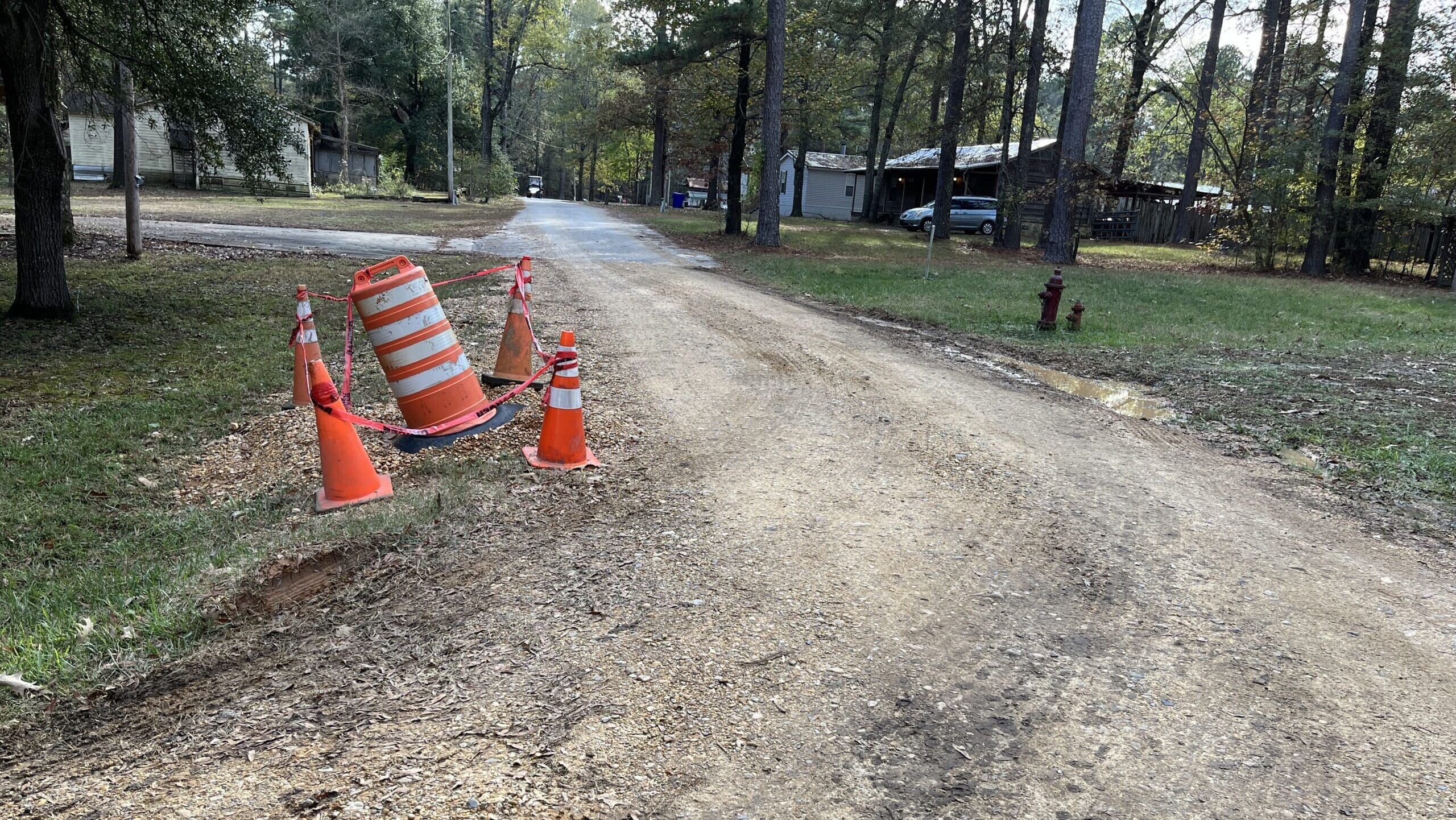
In an effort to keep the system operating, the town took emergency measures — hiring crews to truck raw sewage from the disabled lift station to the treatment pond. It was a temporary fix, but an expensive and unsustainable one.
Knowing the town needed help fast, Howard reached out to the engineer she had been working with on a separate water project. His advice: call Communities Unlimited (CU).
That call set a rapid response in motion.
Through CU, Howard connected with Cherub Alford, a Management Specialist with the Community Infrastructure Team. From the start, Alford stepped into a situation that was both technically complex and time-sensitive — and one that required navigating state funding systems unfamiliar to a small town with limited administrative capacity.
Howard said Alford became a guide through every step of the process.
From identifying the right funding source to helping gather documentation, complete applications, and communicate with state agencies, Alford worked alongside the town to secure emergency assistance through the Arkansas Natural Resources Division (ANRC). She also helped the town navigate the state’s online funding portal — a process Howard described as difficult.
“I had no clue what to do. Cherub held our hand through it all.”
— Theresa Howard, Mayor of Felsenthal
The initial emergency funding request — submitted in early December — was approved within days, providing up to $100,000 to begin repairs. With continued support from CU, the town completed a full funding application and ultimately secured a total of $151,224 for the project.
Those funds made it possible to fully address the root of the problem.
Crews replaced the failed pumps, repaired and replaced damaged piping, and excavated nearly 24 feet down into the roadway to reach and fix the collapsed sewer main. At the same time, the funding covered the high costs of labor, materials, equipment, and ongoing sewage hauling during construction — ensuring residents were not left without service while repairs were underway.
For a town with a small tax base and limited revenue — driven largely by seasonal property owners — the scale of the project would have been impossible to manage alone.
“We don’t have much funding,” Howard said. “We don’t have businesses here. So support like this means everything to a town like ours.”
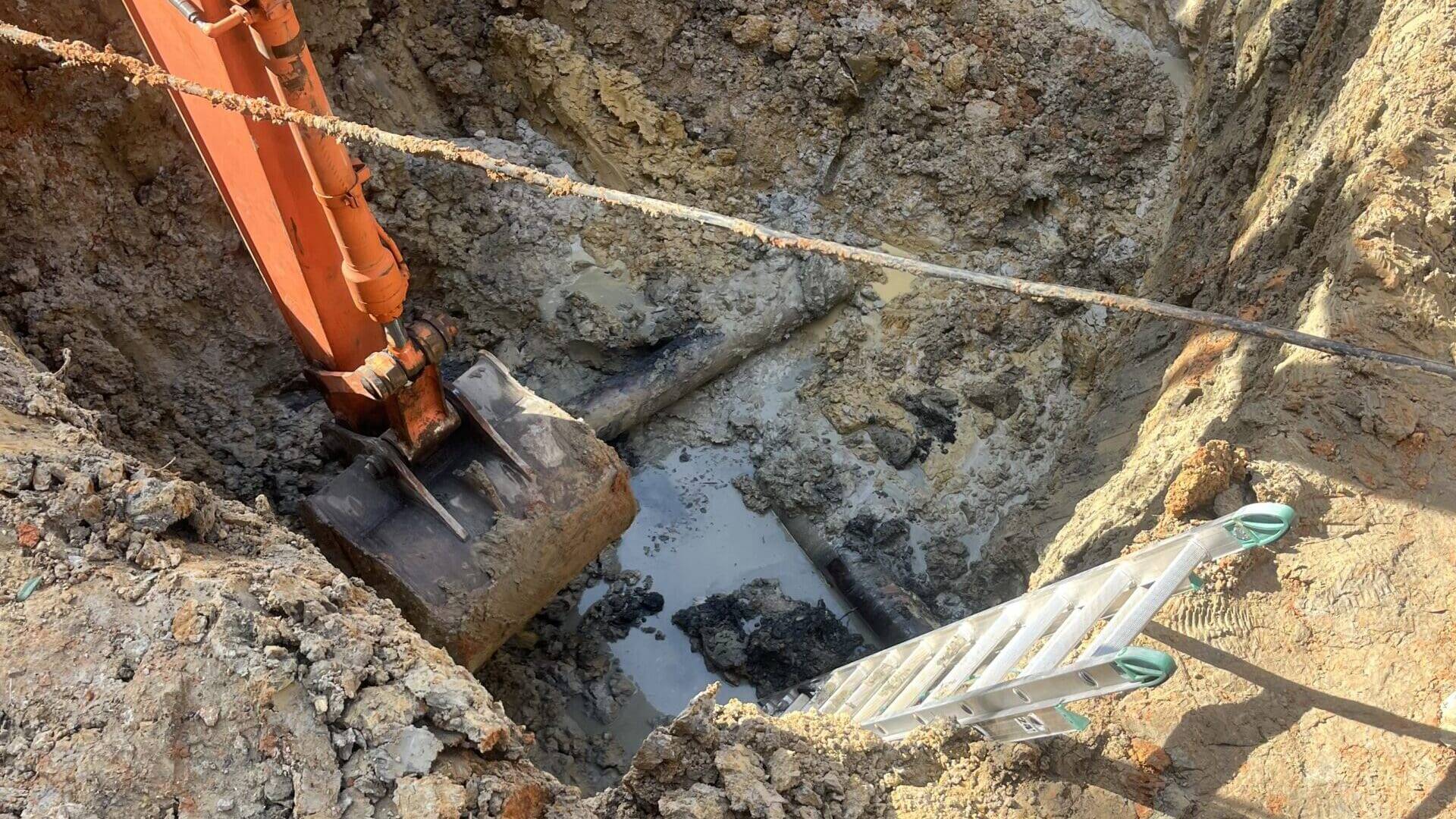
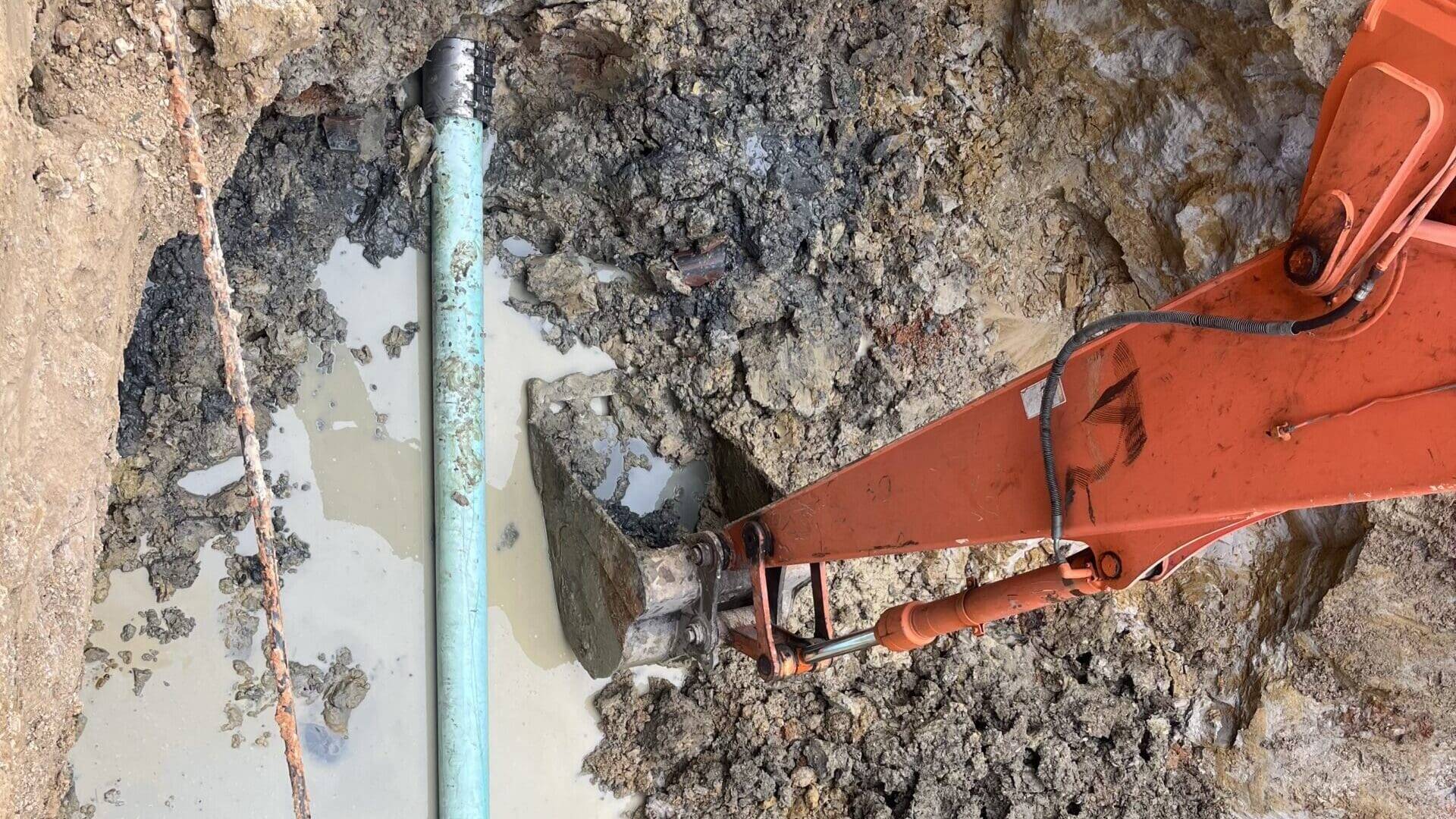
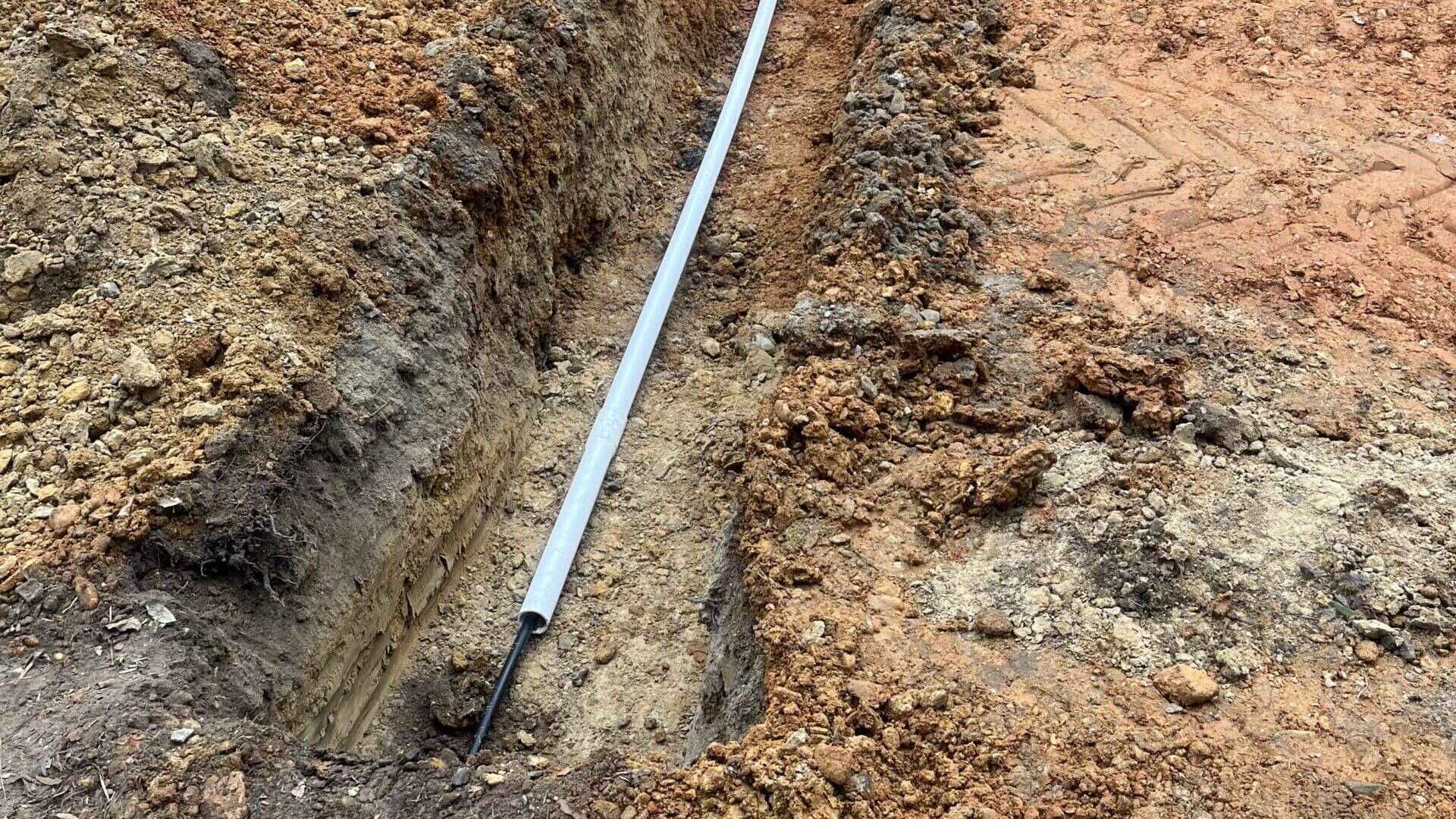
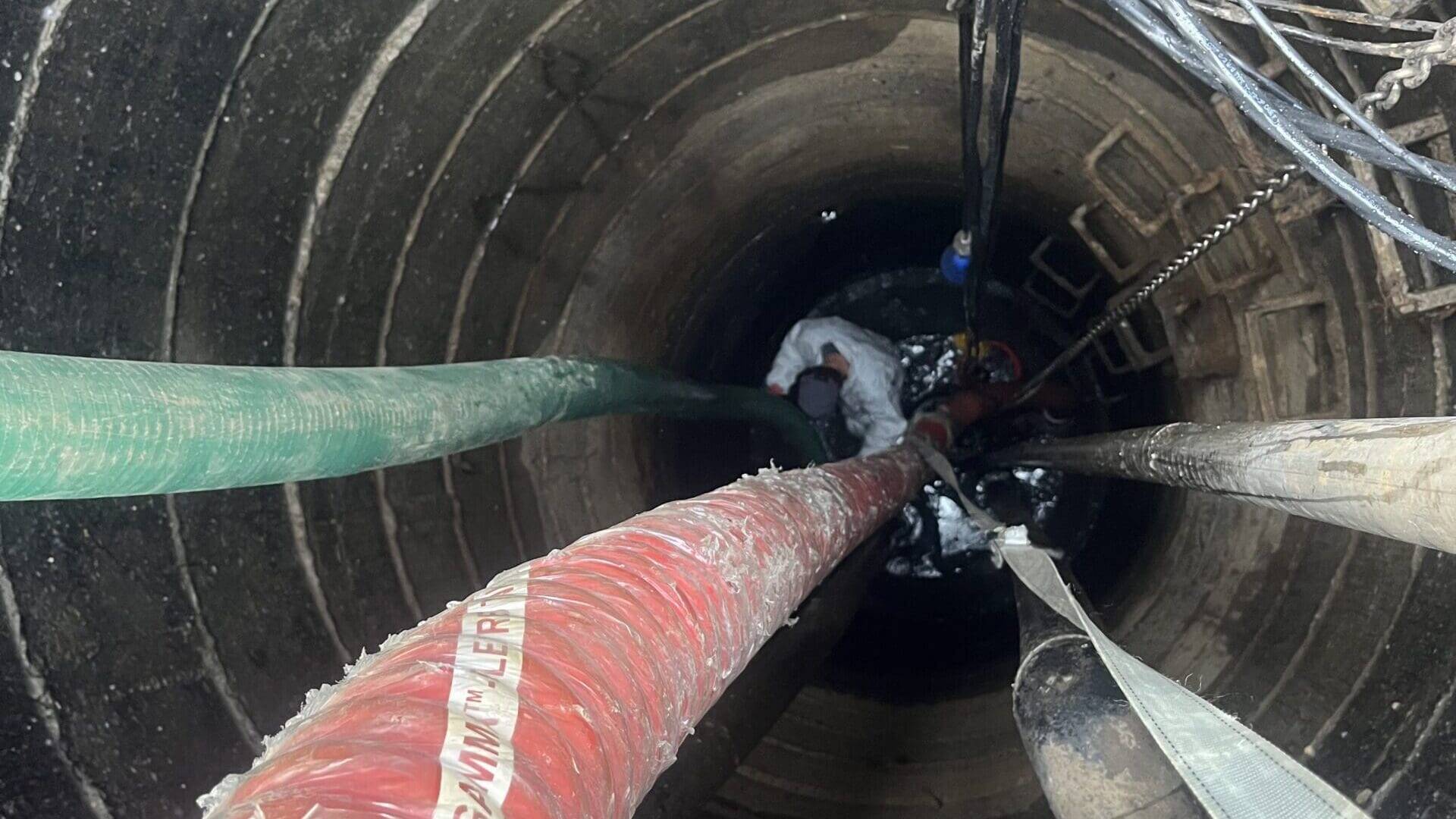
Where the system once failed under pressure, it is now functioning reliably. The pumps are operating as they should, and the town is no longer dealing with backups or emergency conditions. Final road repairs are still pending as the ground settles, but the wastewater system itself is fully restored.
More importantly, the crisis that once threatened to overwhelm the town has been replaced with confidence.
“It pumps great, and we’re not having any problems now,” Howard said.
That peace of mind is especially important in a place like Felsenthal. With duck hunters once again filling camps and a major annual festival coming up that will bring in even more visitors, the town is able to operate without the looming fear of another failure.
For Howard, the experience showed just how critical technical assistance can be for small, rural communities.
“All I can say is working with Communities Unlimited is a blessing to any small town,” she said. “I was at the point where I didn’t know what we were going to do.”
"Knowing this is fixed gives me a lot of peace of mind — it’s one less thing we have to worry about.”
— Mayor Howard

