


The Community Infrastructure Team at Communities Unlimited (CU) is increasingly turning to uncommon solutions to help small water and wastewater systems meet urgent needs. Federal programs remain essential — but when timelines stretch, match requirements are out of reach, or loan-only options aren’t feasible, CU looks for every viable path forward. In some cases, that has included tapping into private philanthropy to address basic equipment needs.
A New Lifeline
When Annona, Texas Mayor Marcella Dean went looking for a backhoe, she wasn’t scanning glossy dealer lots. Instead, she was driving down a country road in nearby Powderly to inspect a 15-year-old machine that had already cycled through a county maintenance crew and a local leak-repair contractor familiar with Annona’s water system — but was still in solid working condition.
When Dean took office in October 2023, Annona had almost no operable equipment. Crews were buying shovels just to dig. The town’s only backhoe — a 1986 model — would start but wouldn’t drive forward, barely inched in reverse, and couldn’t dig reliably.
Dean had been trying to secure a replacement from the moment she began working with the Community Infrastructure Team at CU. The town submitted multiple applications, including a request to USDA, but no award came through.
“We just kept reaching out to anybody and everybody for help."
— Mayor Dean
Across the rural South, federal programs remain essential, but competition has increased, and many small towns are left with loan-only options. For communities with aging infrastructure and limited ratepayer bases, debt isn’t always feasible. In both Annona and Jackson, Louisiana, those constraints collided with immediate operational needs: each needed basic equipment to dig lines and repair leaks.
As traditional routes fell short, CU and Dean found an unlikely option — private philanthropy.
Annona: A Private Partner and a 2010 John Deere
Annona is a small town in Red River County in northeast Texas with limited equipment and a small maintenance team. Dean had been working closely with CU Regionalization Project Manager Janelle Saucedo to stabilize basic operations. When USDA was unable to fund a new backhoe, Saucedo began pursuing every alternative she could identify.
Her research led to a private philanthropic organization that traditionally funds education-focused initiatives, museums, libraries, historic preservation, and community spaces — areas that strengthen learning, belonging, and civic identity. While essential operational needs are not typically part of their portfolio, exceptional cases are occasionally considered when hardship is clear and well documented.
That openness created room for problem-solving.
That question shifted the approach.
Dean began searching specifically for used machinery — equipment that could dig, trench, haul, and patch. Her renewed search led her to a 2010 John Deere backhoe in Powderly — with roughly 1,100 hours, strong mechanical history, and previous owners she could call directly.
“To me, this is all God,” Mayor Dean said. “Who goes looking for a used backhoe and ends up being able to talk to every single person who owned it? They all said it was in great condition.”
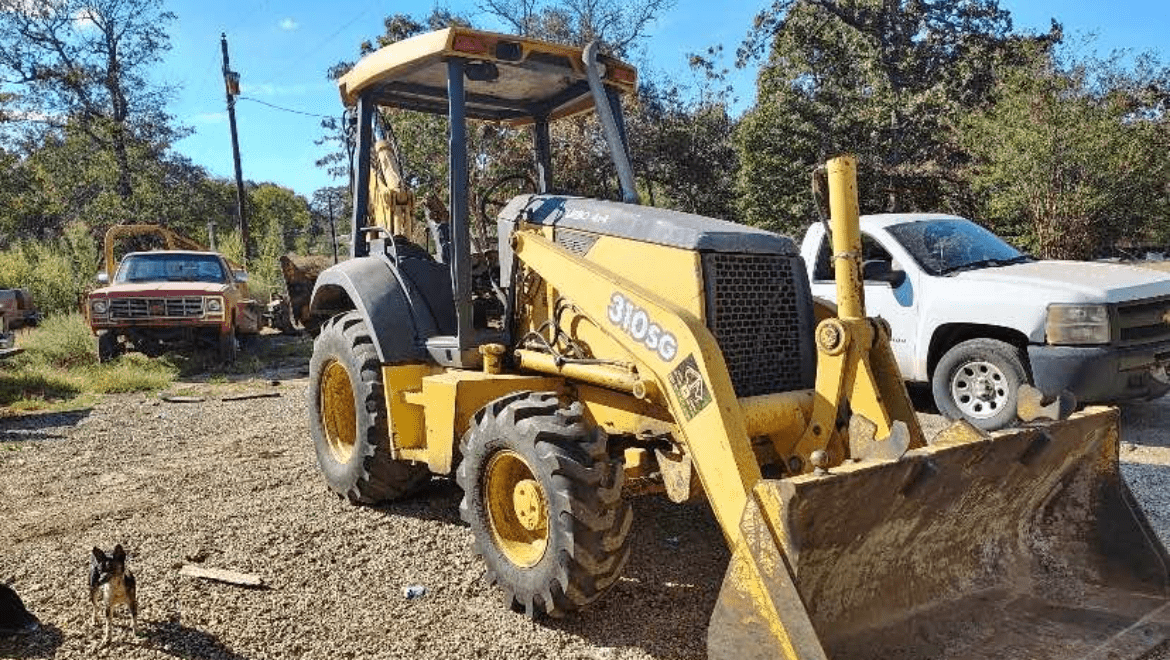
Dean updated the request, and the philanthropic organization invited a revised submission for that exact amount.
“They’re announcing awards on December 31,” she said. “They told me they are definitely going to recommend Annona.”
To her, it represents more than machinery.
“For the first time, it feels like we’re getting tools that let us stand on our own two feet. Small towns don’t usually have private organizations stepping in for basic equipment, but we found a partner that understands what we’re facing.”
— Mayor Dean
Jackson: Invitation-Only Philanthropy for Equipment
Five hours away, in Jackson — an East Feliciana Parish town near Baton Rouge — the maintenance department faced a nearly identical situation.
“We had equipment before — both a backhoe and an excavator — but they were more than 20 years old,” said Maintenance Supervisor Chris Farris. “We were constantly fixing them. And when they were down, we were renting equipment, which cost a lot more.”
Buying replacements outright wasn’t feasible.
When Farris first contacted CU in 2024, he recalled hearing about the Mary & Daryl Pennington Family Foundation based in Baton Rouge, which has historically invested in public safety, community health, and regional needs.
Pennington Family Foundation Chief Executive Officer Jessica Dye said the organization intentionally prioritizes small communities that often lack sufficient resources, focusing on improving residents’ quality of life and making sure local public safety departments can operate effectively. She noted that, because these towns are frequently overlooked, the foundation steps in when possible — sometimes providing large equipment such as road machinery, police vehicles, firetrucks, or specialized tools for water and gas systems.
“The Mary & Daryl Pennington Foundation are proud to partner with these towns and provide resources to benefit the town and its residents,” Dye said.
There was just one challenge: Farris didn’t know how to begin.
“No one here had ever really worked on grants before,” he said.
That’s where CU Management Specialist Stacey Scarce stepped in — assembling financial records, equipment quotes, documentation, and gaining access to a closed-submission portal through Pennington.
“It’ll save time, money, and strain on our crew,” Farris said. “When equipment works, projects get done quicker and more efficiently.”
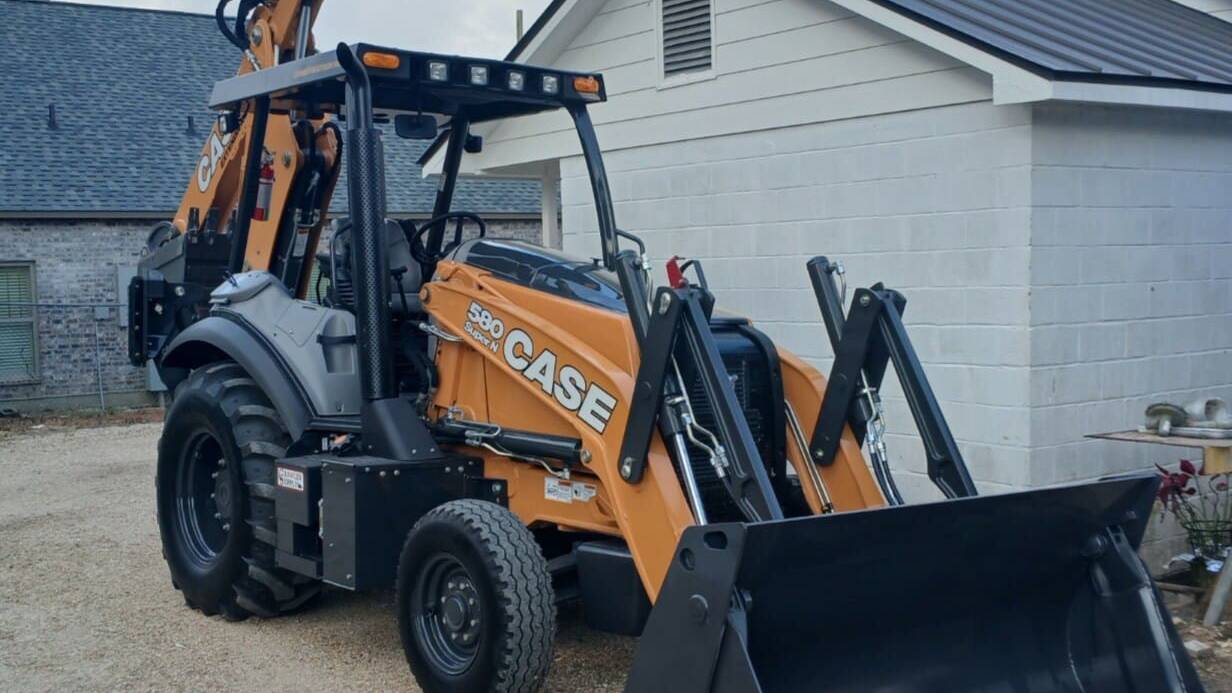
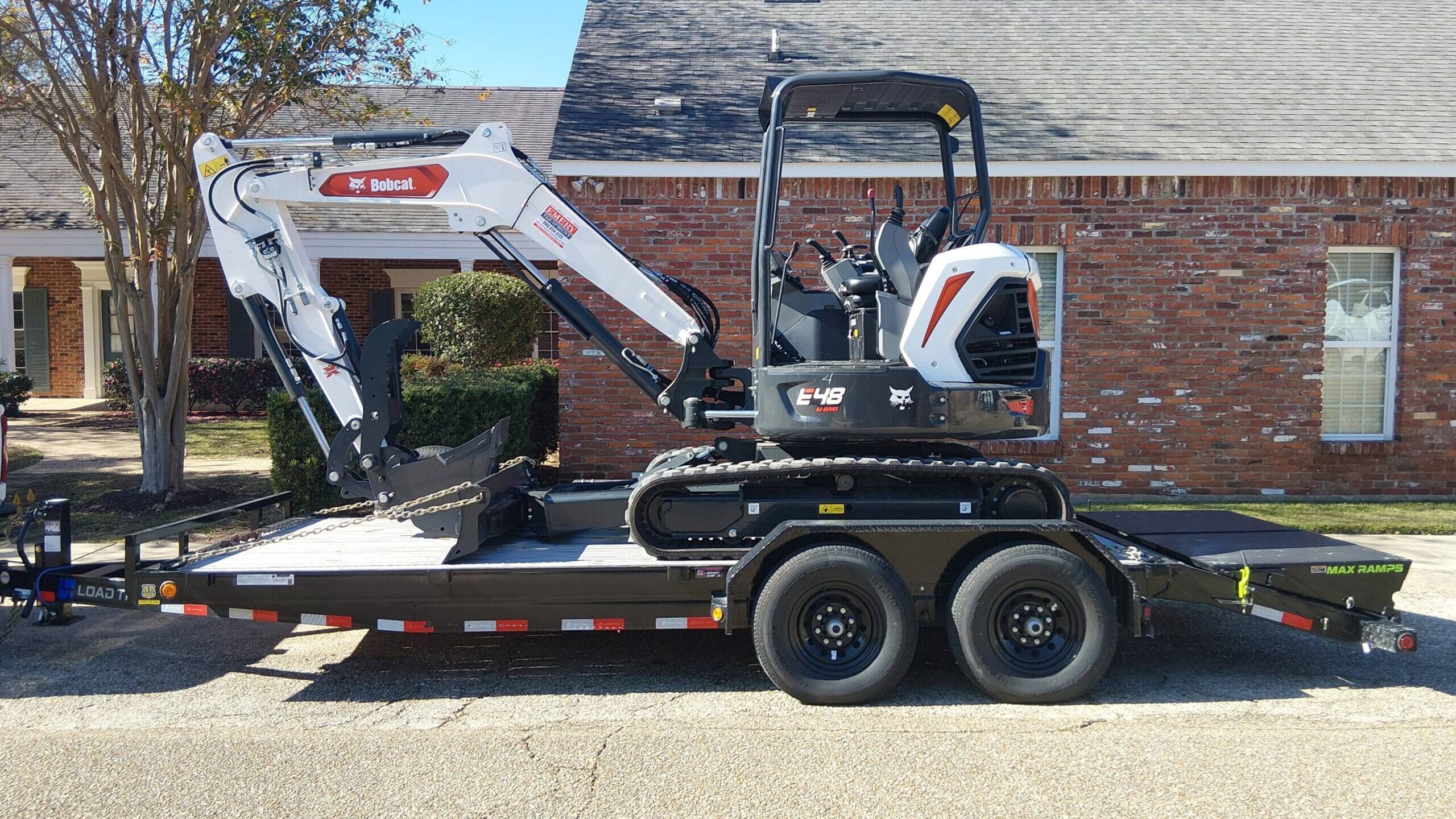
He compared philanthropic support to federal funding.
“Federal dollars are still incredibly important, and they’re still out there,” he said. “We recently secured a $2 million Delta Regional Authority grant for a rehabilitation project, but that took almost three years. Between the engineering work, match requirements, planning documents, and reviews, there were probably 12 people involved.”
He paused and then added:
“It was a long process — nothing as simple as the Pennington request,” Farris said. “The philanthropic support was direct and local, and it met the need immediately.”
He credited CU’s guidance.
“Stacey was a huge help. She supported us with documents, budgets — everything. And we’re grateful for the investment Pennington made so we could purchase the equipment.”
— Chris Farris, Town of Jackson
Uncommon Solutions
Philanthropy funding municipal utilities remains uncommon. Most foundations continue to invest in education, civic spaces, health, and workforce development. In both Annona and Jackson, these awards are exceptions.
But exceptions matter.
Whether these moments signal broader change is uncertain. What is clear is that when traditional paths don’t align with timing, capacity, or urgency, CU’s Community Infrastructure Team is willing to pursue every viable channel — even those most small towns never imagined.
For Annona, that meant retiring a backhoe manufactured in 1986.
For Jackson, it meant ending costly rentals and recurring repairs.
For both communities, it meant something more:
Someone saw an unmet need — and resolved it before it became a crisis.

