


Located along the banks of the Guadalupe River in Kerr County, Texas, Ingram is a Hill Country community where neighbors know one another and volunteer service runs deep. But in July 2025, that sense of familiarity was tested in ways few could have imagined.
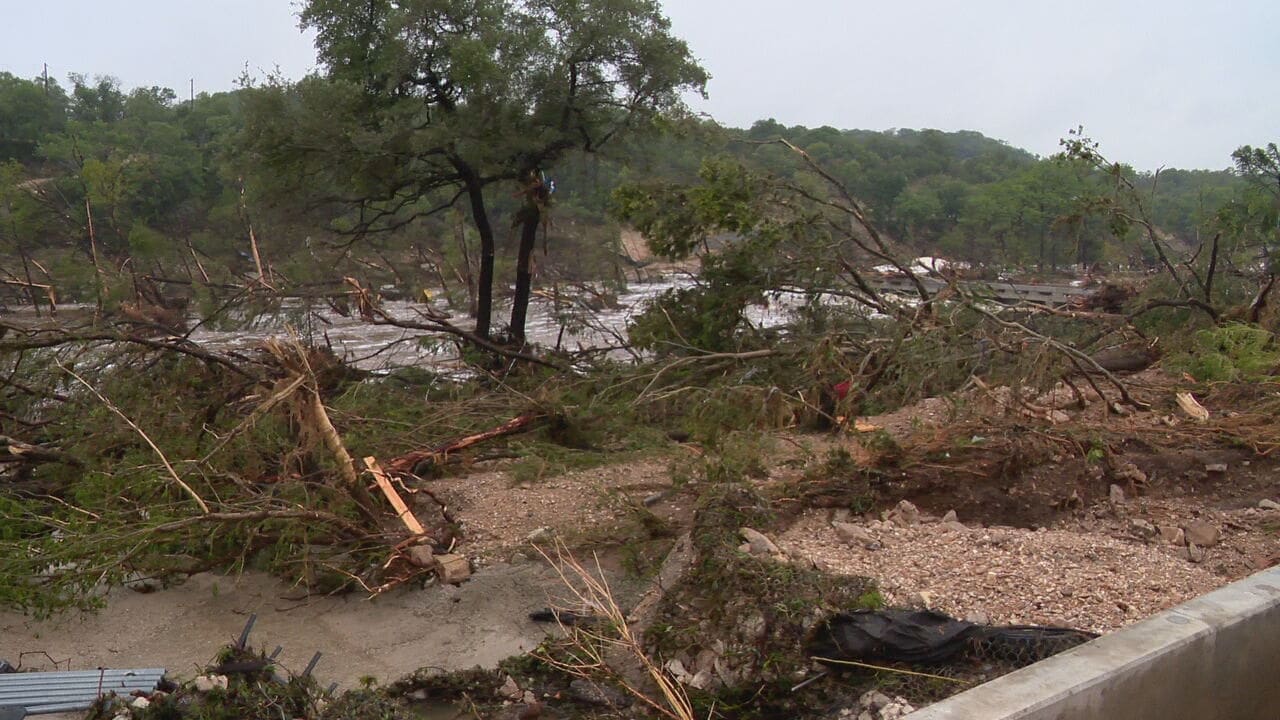
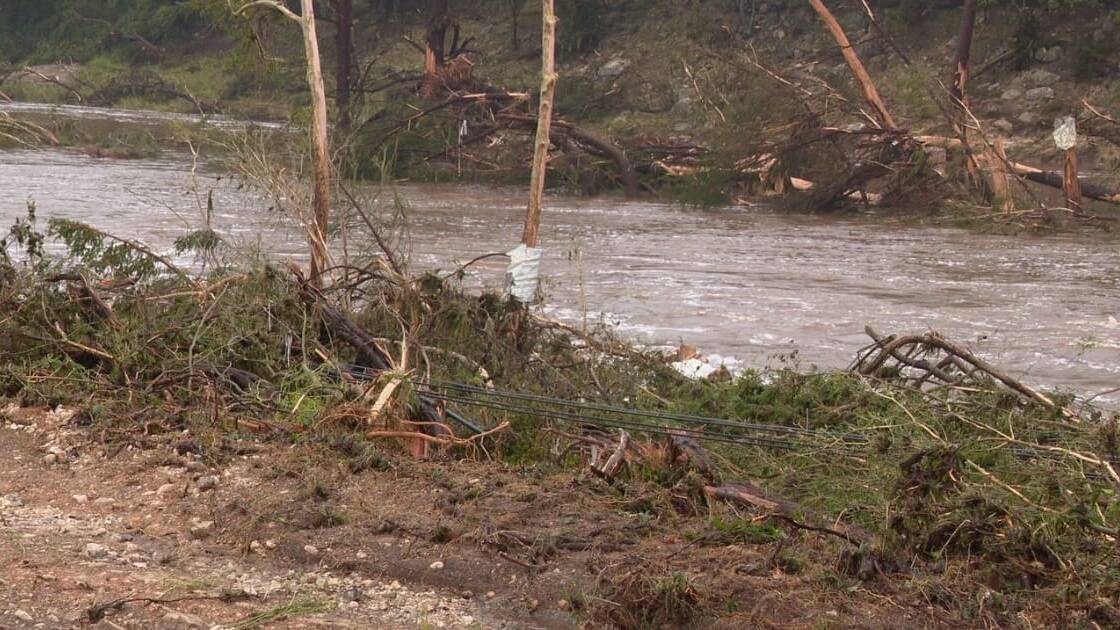
Over the Fourth of July weekend, torrential rains sent the Guadalupe surging out of its banks, unleashing catastrophic flash flooding that tore through neighborhoods, RV parks, and riverfront properties. Within hours, homes were swept away, families were displaced, and lives were lost. By the end, more than 130 people had died as a result of the flooding.
For the Ingram Volunteer Fire Department, the disaster became the most demanding chapter in its history.
“It was unexpected, chaotic — something none of us ever want to see again,” said Assistant Chief Jason Lynch, who has nearly 25 years of service. “This was the most catastrophic event I’ve ever been part of.”
Chief Diana Baccus said that while weather alerts warned of heavy rain, no forecast captured the sheer force that would arrive.
“A lot of people don’t realize — even some folks who live here — the Guadalupe River doesn’t rise gradually,” Baccus said. “It rises fast and comes down in a wall of water, and I don’t think folks were prepared for that.”

Racing Against the Darkness
As flooding intensified through the night and early morning, first responders were thrust into conditions no emergency plan could fully anticipate. Power outages only added to the chaos. Roads disappeared. Communication became strained. Fire crews split into teams, racing to low-lying areas where campers, travel trailers, and newly built tiny homes sat dangerously close to the river.
Lynch said the department relied heavily on experience and instinct — knowing which neighborhoods flooded first, which roads vanished quickest, and where help would be needed most.
But the emotional weight was just as heavy as the physical demands. As reports poured in over the radio, responders quickly realized the scale of the catastrophe extended far beyond anything Ingram had faced before.
“These were our neighbors,” Baccus said. “Our friends. In some cases, our family. You have to put that aside and focus on the work — because that’s the only way you get through it.”
A Firehouse Becomes a Lifeline
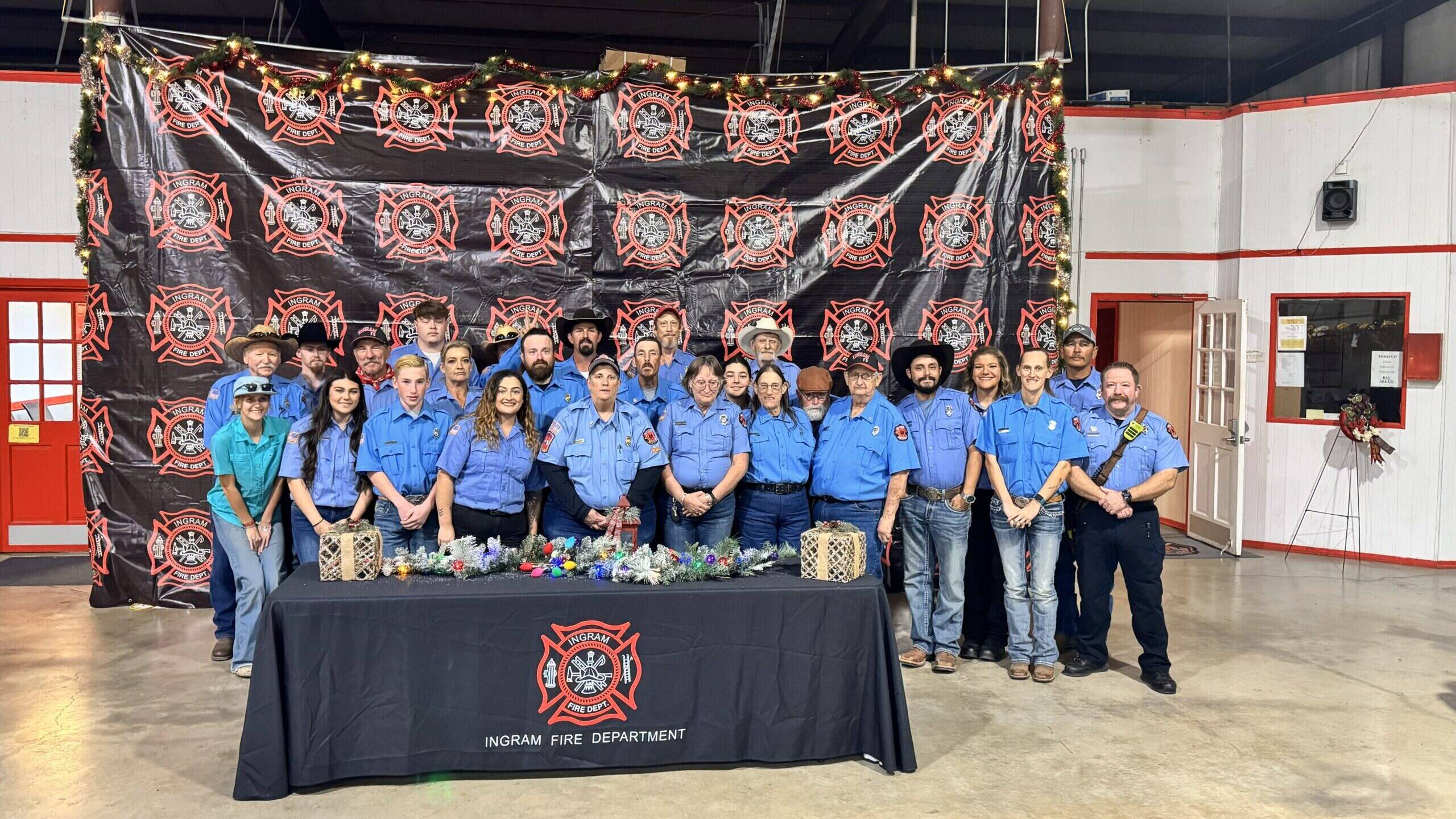
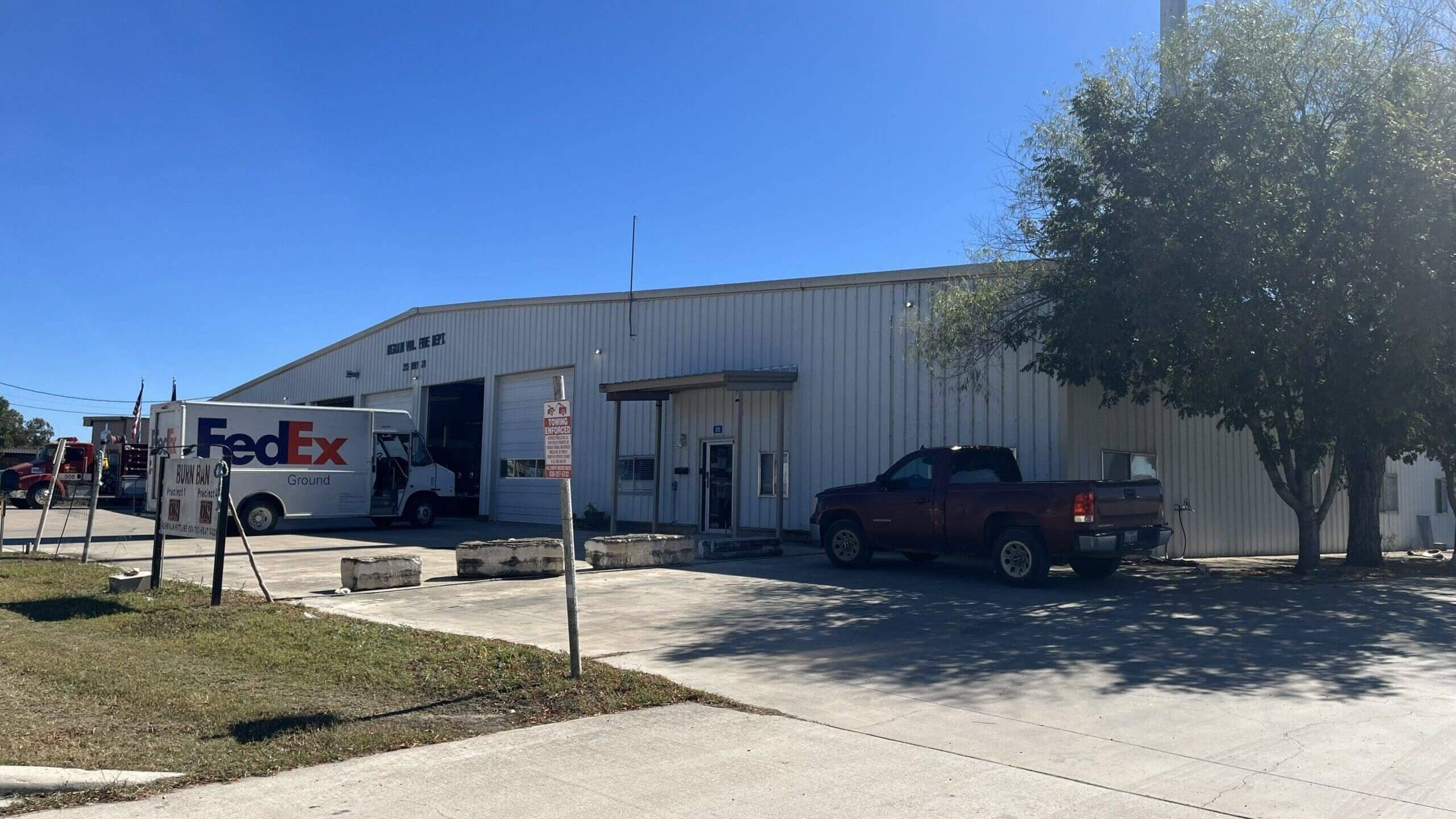
In the days that followed, the Ingram Volunteer Fire Department became far more than an emergency response hub. The station ran nonstop for 25 straight days, operating around the clock as a shelter, supply center, medical site, and coordination point for hundreds of volunteers from across the country and around the world.
On any given day, between 250 and 500 people cycled through the station — firefighters, rescue teams, medical staff, and relief workers — all needing food, water, rest, and a place to regroup before heading back into the flood zone.
At one point, the firehouse was transformed out of necessity into a temporary morgue.
“It’s not necessarily what you want to do,” Baccus said. “But it has to be done — so you do it.”
Help From Near and Far
Support arrived from every direction — some expected, some astonishing.
Volunteers came from across the United States. Others arrived from overseas, including Japan, Australia, England, Scotland, and Ireland — not just sending encouragement, but showing up to help. Children from daycare centers mailed hand-drawn thank-you notes. Today, a wall inside the fire station stretches nearly 100 feet, covered in messages of support.
“Honestly, we were humbled and overwhelmed by the amount of support we got,” Baccus said. “You don’t ever realize that people from a world away even know where Ingram, Texas is.”
For Stuart Gross, Code Enforcement Officer with the City of Ingram, the humanity stood out just as much as the scale of the response. Contractors arrived with heavy equipment without being asked. One company brought in a 10,000-gallon fuel tanker and told everyone — fire trucks, excavators, even personal vehicles — to fill up for free.
“People came from everywhere,” Gross said. “We’re a small town with limited resources, but we were deeply grateful for all the support. It could have been worse. Through all of it, we saw the best of humanity.”
But behind the scenes, another kind of help was becoming just as critical: navigating the maze of disaster recovery.
Building a Bridge Through Recovery
As emergency response shifted into long-term recovery, Ingram faced the challenge of learning how to access the resources needed to rebuild. The city and the Ingram Volunteer Fire Department are now receiving public assistance through the Federal Emergency Management Agency (FEMA) and the Texas Division of Emergency Management (TDEM) to help reimburse damages and support recovery efforts.
FEMA and TDEM deployed teams to support local officials, and a referral from FEMA later brought in Communities Unlimited (CU) in October. Through its Community Infrastructure Team, CU joined FEMA, TDEM, and local leaders to help guide Ingram through the recovery process.
“Honestly, the recovery has gone much better — and much faster — than I ever expected,” Gross said. “Once we all understood how the system works and where help actually comes from, the process became smooth and productive.”
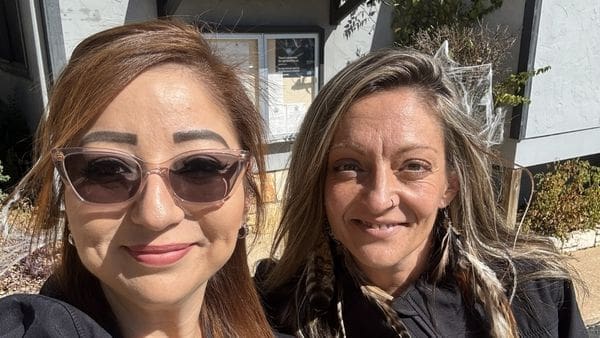
CU East Texas Coordinator Jessica Hester became a steady presence on the ground, assisting the city and the volunteer fire department as they worked through the complex requirements of reimbursement and documentation — one of the biggest hurdles small communities face after a disaster.
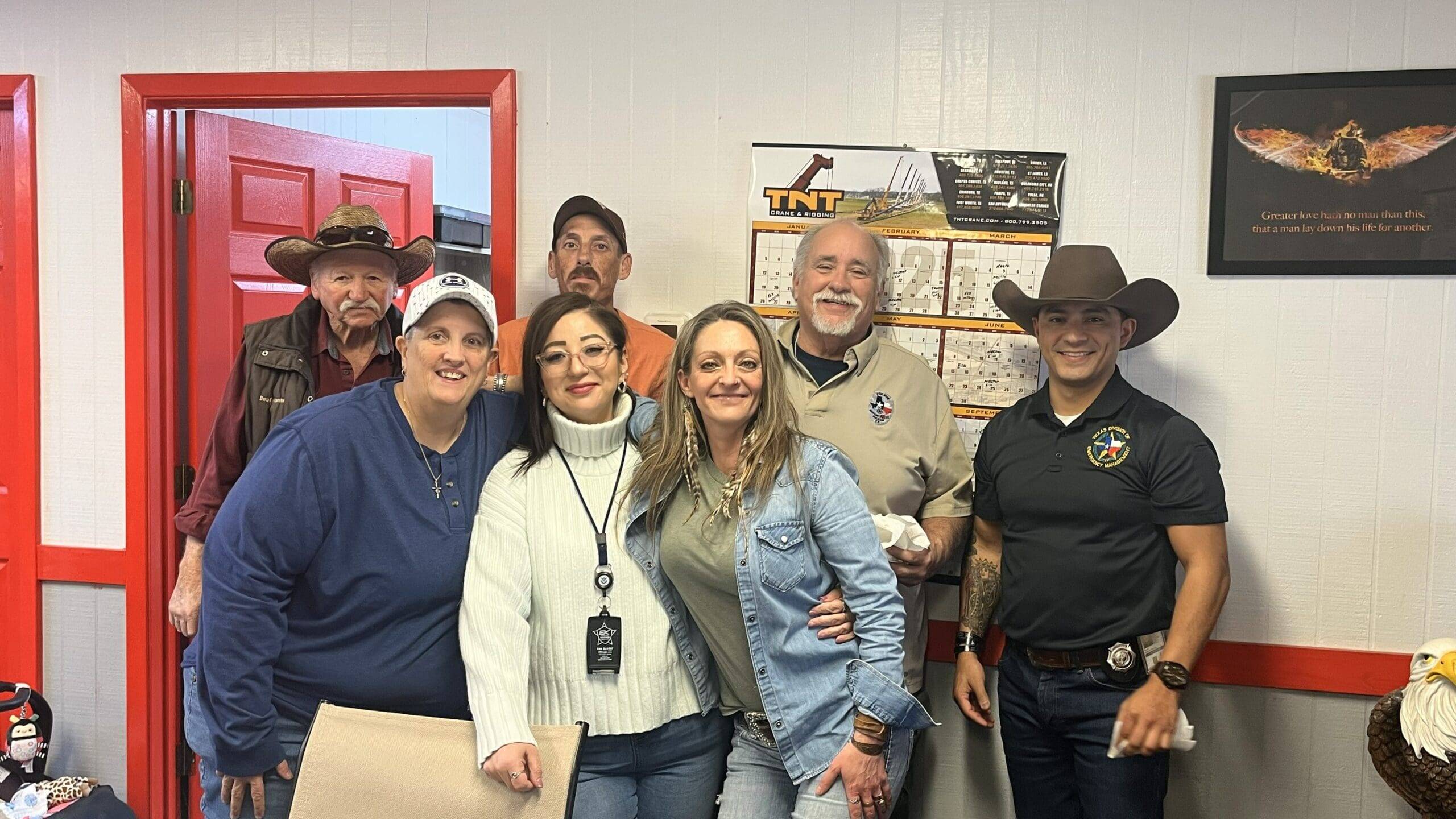
Working closely with FEMA Emergency Management Specialist Irasema Guzman and TDEM Recovery Coordinator Mathew Perrill, Hester translated federal and state requirements into practical, actionable steps. She organized records, prepared audit binders, set up reimbursement accounts, and ensured the city and fire department could move forward without losing momentum.
From the city’s perspective, that consistency mattered.
“Jessica is a pistol,” Gross said. “I love her. She’s been the go-to — like, ‘I don’t know, but I will get the answer for you.’ She deserves an award. She is good people.”
“Jessica can light up a room when she walks in,” Baccus added. “She has such a great attitude. She’s knowledgeable. I’ve called her at strange hours, and she always responds. It means everything to know you have that kind of support.”
"Our TDEM, FEMA, and Communities Unlimited people have all been fantastic.”
— Diana Baccus
In the months that followed, the work expanded beyond recovery into long-term resilience. With FEMA, TDEM, and CU supporting the effort, local leaders strengthened emergency preparedness plans — aligning city officials and firefighters under a clearer framework for future disasters.
Flooding, Gross noted, offers almost no warning — and it nearly always comes at night — making training, coordination, and swift-water response capabilities essential moving forward.
With guidance from FEMA, TDEM, and CU, Chief Baccus said the department now feels better equipped to navigate recovery — able to ask the right questions and make full use of the resources available to Ingram.
That collaboration, she said, made all the difference. Guzman pointed to the strong, on-the-ground coordination that emerged during the response.
“The men and women of the Ingram Volunteer Fire Department and other local responders showed up for their neighbors in the hardest moments imaginable,” Guzman said. “They worked in impossible conditions and kept going because their community needed them. Our role at FEMA, working alongside TDEM and CU, is to stand beside them — making sure they have the support and resources so they don’t have to carry this alone.”
A Community That Would Not Break
Through loss, exhaustion, and uncertainty, one theme has defined Ingram’s story: resolve.
“We were pushed to our absolute breaking point, and we decided we’ll bend — but we will not break,” Baccus said.
A week into the response, the department faced another devastating loss — one of their senior captains died from a medical emergency. The team mourned together, laid him to rest, and then returned to the work that still needed to be done.
For the Ingram Volunteer Fire Department, that spirit is rooted in the belief that the station is more than a workplace — it’s a family gathering place, a refuge for the community, and a symbol of service.
“This is a firehouse,” Baccus said. “It’s not just a station. We are a family. We’re here for each other, and we’re here for our community. That’s our mission.”
“They are heroes. Period. They saved lives.”
— Stuart Gross, City of Ingram
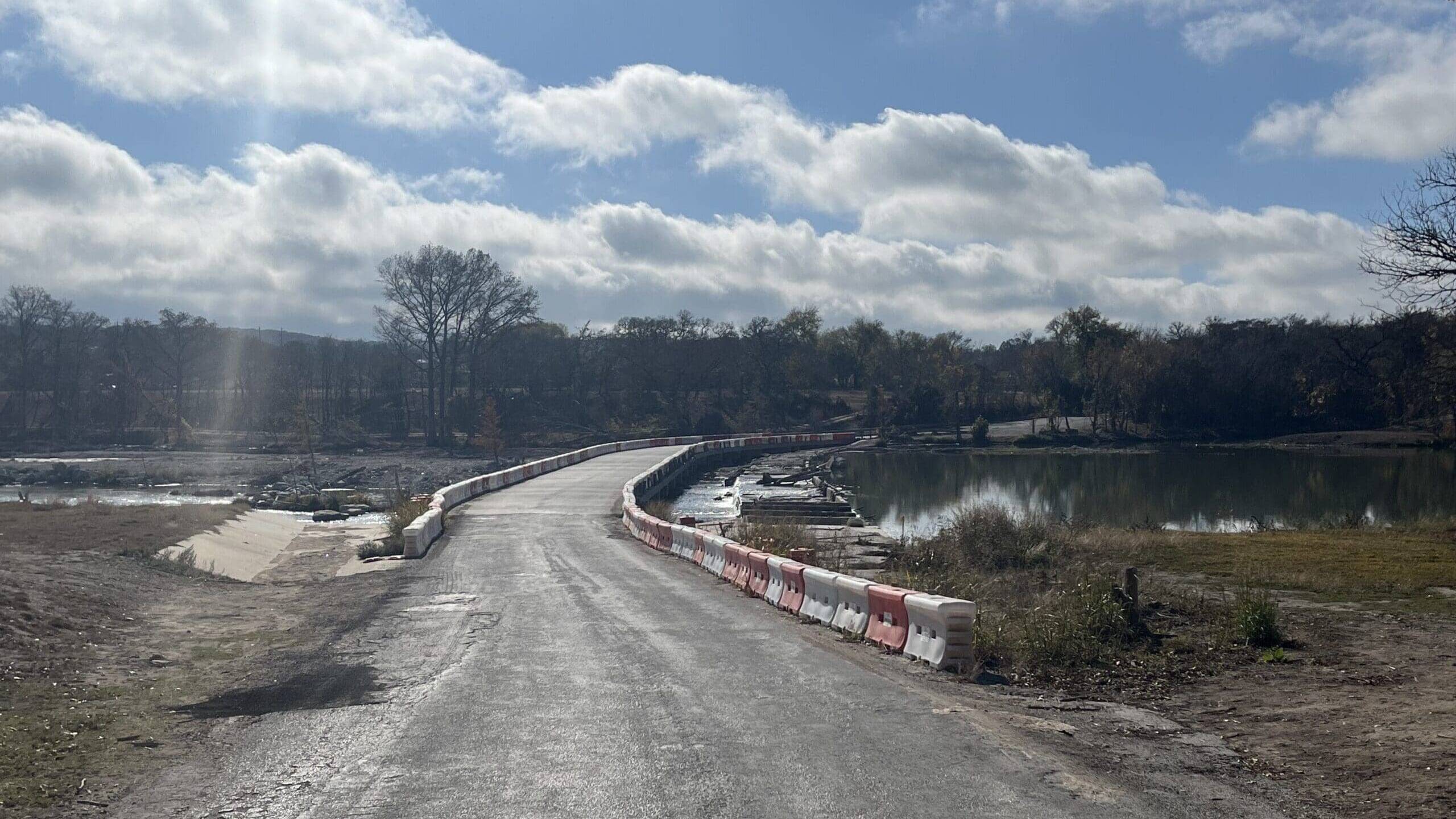
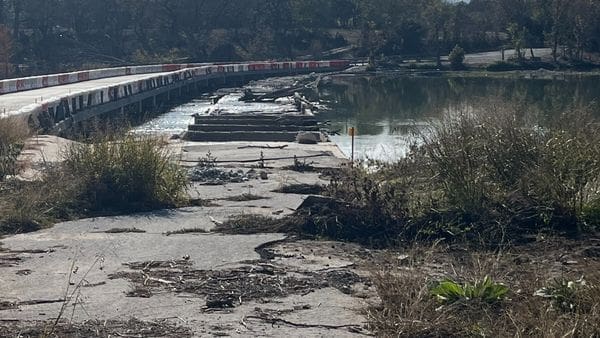
Ingram’s recovery continues. FEMA and TDEM remain engaged in reimbursement and rebuilding efforts. CU continues to provide technical assistance. And the fire department and city keep doing what they have always done — answering calls, checking on residents, and holding space for a community still healing.
“It’s been encouraging to see so many partners working together to make progress like this possible,” Hester said. “When local responders, state agencies, federal partners, and organizations like CU are aligned, it creates a stronger path forward for communities like Ingram — not just in recovery, but in building long-term resilience.”
Ingram’s story is not just one of disaster. It is one of neighbors who ran toward danger, of partnerships formed in the hardest moments, and of a town determined to emerge stronger than before.
“We could not have managed this without all of those agencies coming in to help,” Baccus said. “Local, national, and international — we are humbled and thankful for every bit of support.”
Disclaimer:
Irasema Guzmán’s statements are not intended to be an endorsement of Communities Unlimited. The views expressed in this article do not necessarily represent the views of the Department of Homeland Security or the United States Government.

