


For years, the City of Blanket faced mounting financial pressure within its wastewater system — a challenge common among rural communities working to maintain aging infrastructure while keeping services affordable. That picture began to change in 2025, following a rate study conducted by the Community Infrastructure Team at Communities Unlimited (CU).
Blanket, located in Brown County in west-central Texas, has a population of just 360. Prior to the rate study, sewer revenues were not sufficient to fully support long-term operation and maintenance needs, forcing the city to repeatedly rely on reserve funds and transfers from the general fund just to stay afloat.
CU provided technical assistance to the city at no cost through the EPA Rural Treatment Works (RTW) program, with Management Advisor Britton Howe leading the work after a referral from the USDA.
“When Britton came in, he went through our records thoroughly,” said Rose Wigham, City of Blanket Secretary. “We provided all the information, and he worked everything out and sent it back to us in advance. That gave me time to review it and share it with council ahead of the meetings.”
Building Understanding and Support
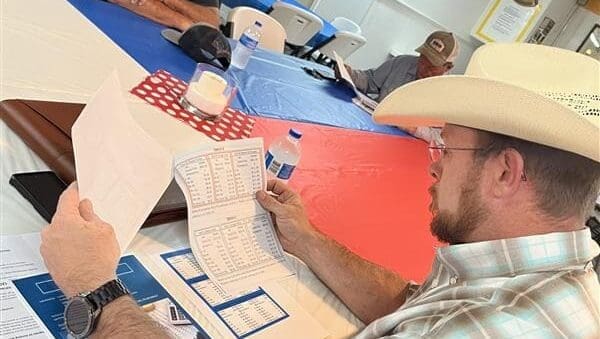
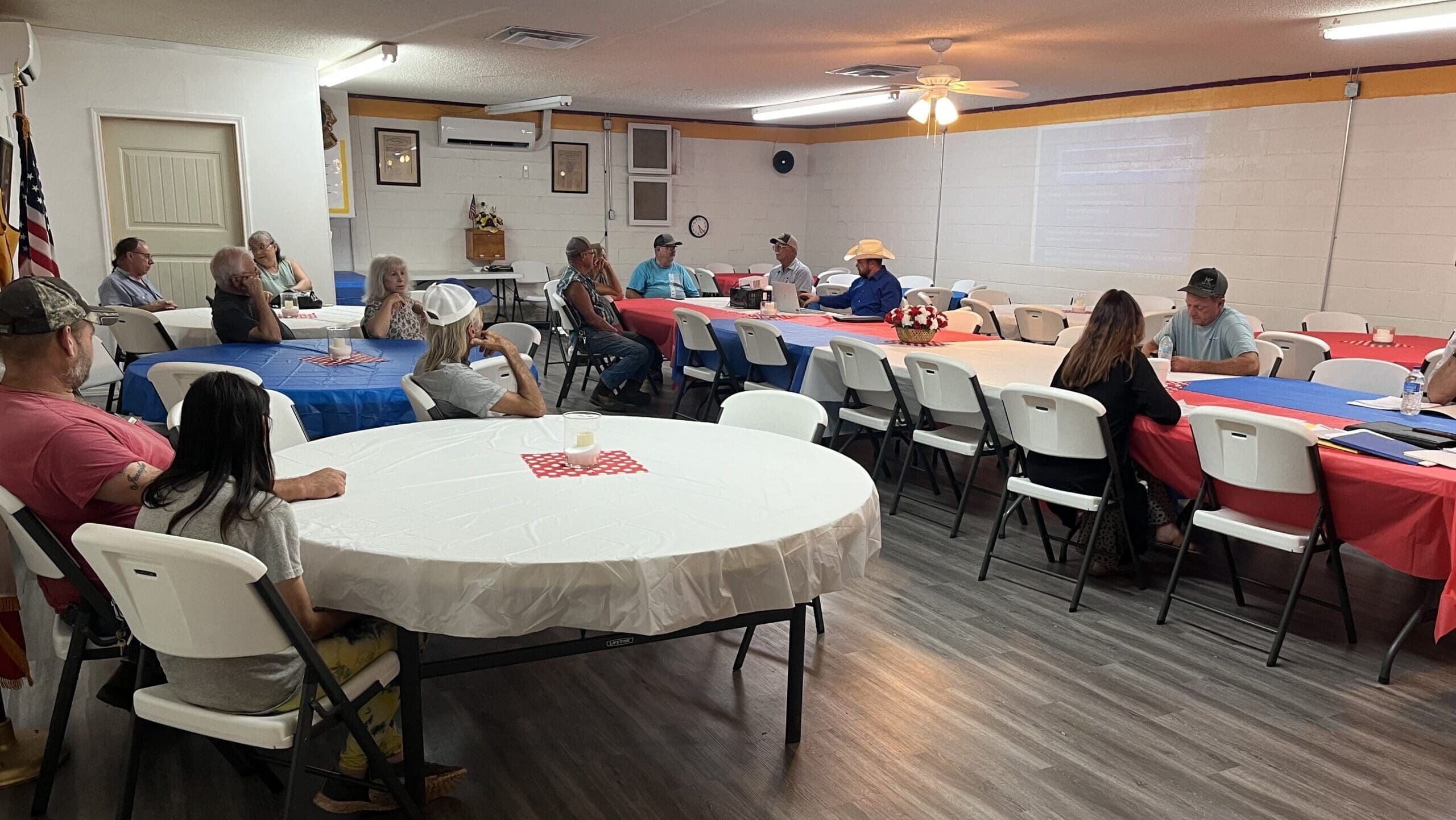
The rate study included a review of the city’s budget, long-term financial projections that accounted for inflation, and presentations of the findings to both city council and residents. Wigham said having an outside expert present the information was critical — especially during difficult public conversations.
“We’d tried raising rates a dollar here or a dollar there, just hoping it would help, but it wasn’t even touching our expenses,” Wigham said. “Costs have skyrocketed. Eight years ago, we paid about $2,700 for a repair. Last year, that same repair cost us $6,300. People don’t always see that side of it.”
When it came time for public meetings, Howe handled the presentations himself.
“Britton was confident, professional, and calm,” Wigham said. “Trying to explain rate increases ourselves can be difficult, especially when people are upset. He explained everything clearly, and that made a big difference. I was impressed.”
Aligning Rates with Reality
Following the rate study presentation, the city adopted increases in October to both base and usage rates for water and sewer services. For an average customer using about 2,000 gallons per month, the total increase was roughly $50. Sewer rates increased by about $30, while water rates rose from approximately $25 to $38.
“It was a big jump — we ripped the band-aid off,” Wigham said. “But already, we’re seeing the benefit.”
With the new rates in place, sewer revenue is expected to rise by 82%, while water revenue is projected to increase by 37%. Those gains have already begun stabilizing the system’s finances. Without the rate study, the city would have continued relying on reserve funds while still falling short of its long-term operating and maintenance needs.
“We’re just now barely getting our heads above water, but we’re three months into the new fiscal year and we haven’t had to pull money from our reserve account. That is huge for a small system like ours. Without the assistance from Communities Unlimited, the city would have continued operating under severe financial restraint.”
— Rose Wigham, City of Blanket
Strengthening Operations and Looking Ahead
Beyond the rate study, Howe completed an inflow and infiltration review, developed grinder station inspection checklists, and created daily log templates to help operators monitor system performance more consistently. Operators were also trained on the importance of routine monitoring and proactive maintenance.
For Wigham, the project has also strengthened the city’s credibility when discussing finances with residents and council.
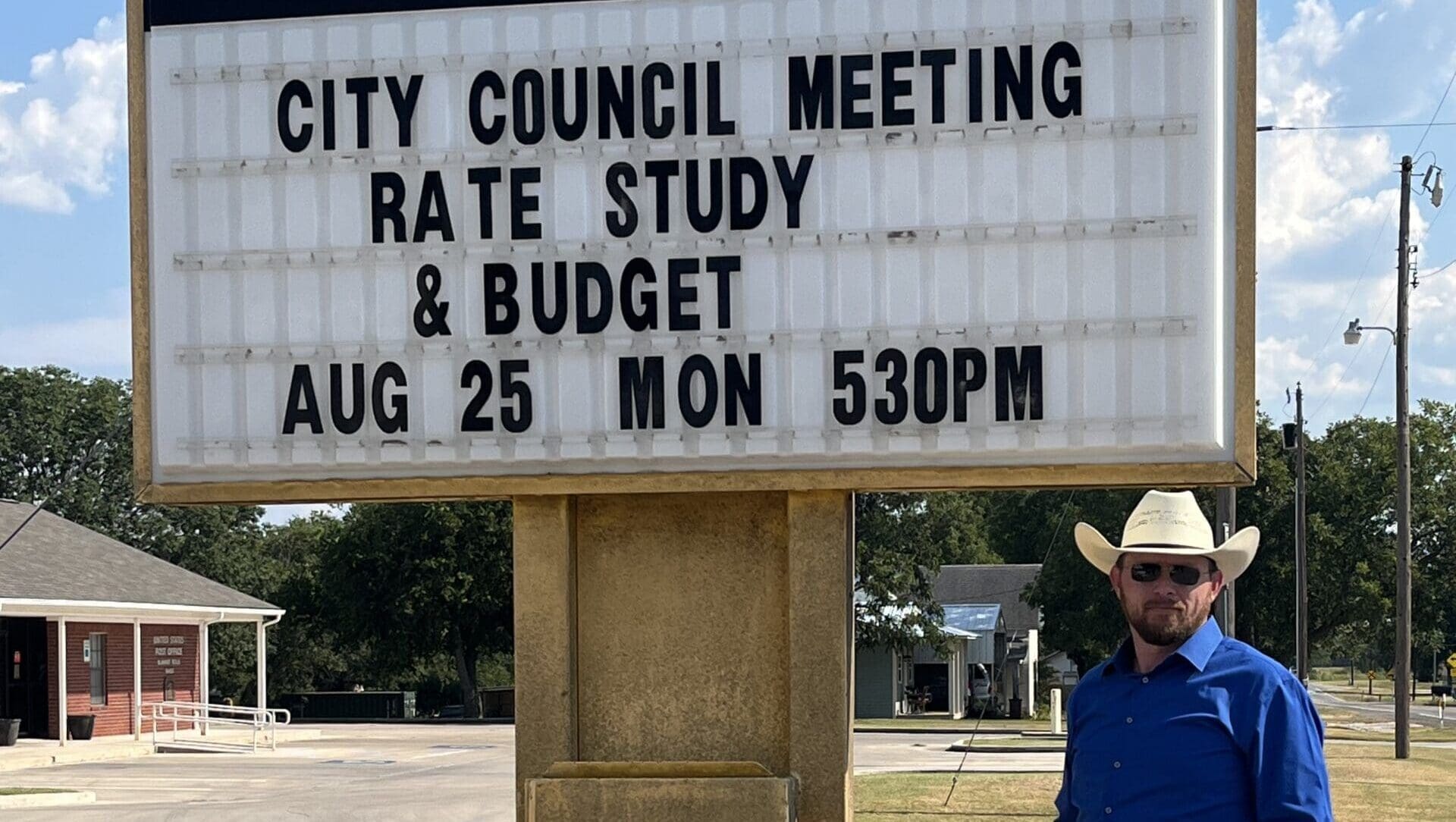
“Having a second set of eyes on your books is invaluable,” she said. “Someone who can clearly explain what’s coming in and what’s going out. It gave us credibility. When people question the numbers, we can say these weren’t figures we made up — they were calculated by an outside expert.”
Because of the experience, the City of Blanket is now on a path to sustainability and self-reliance. The town plans to continue working with CU as it prepares future budgets.

