


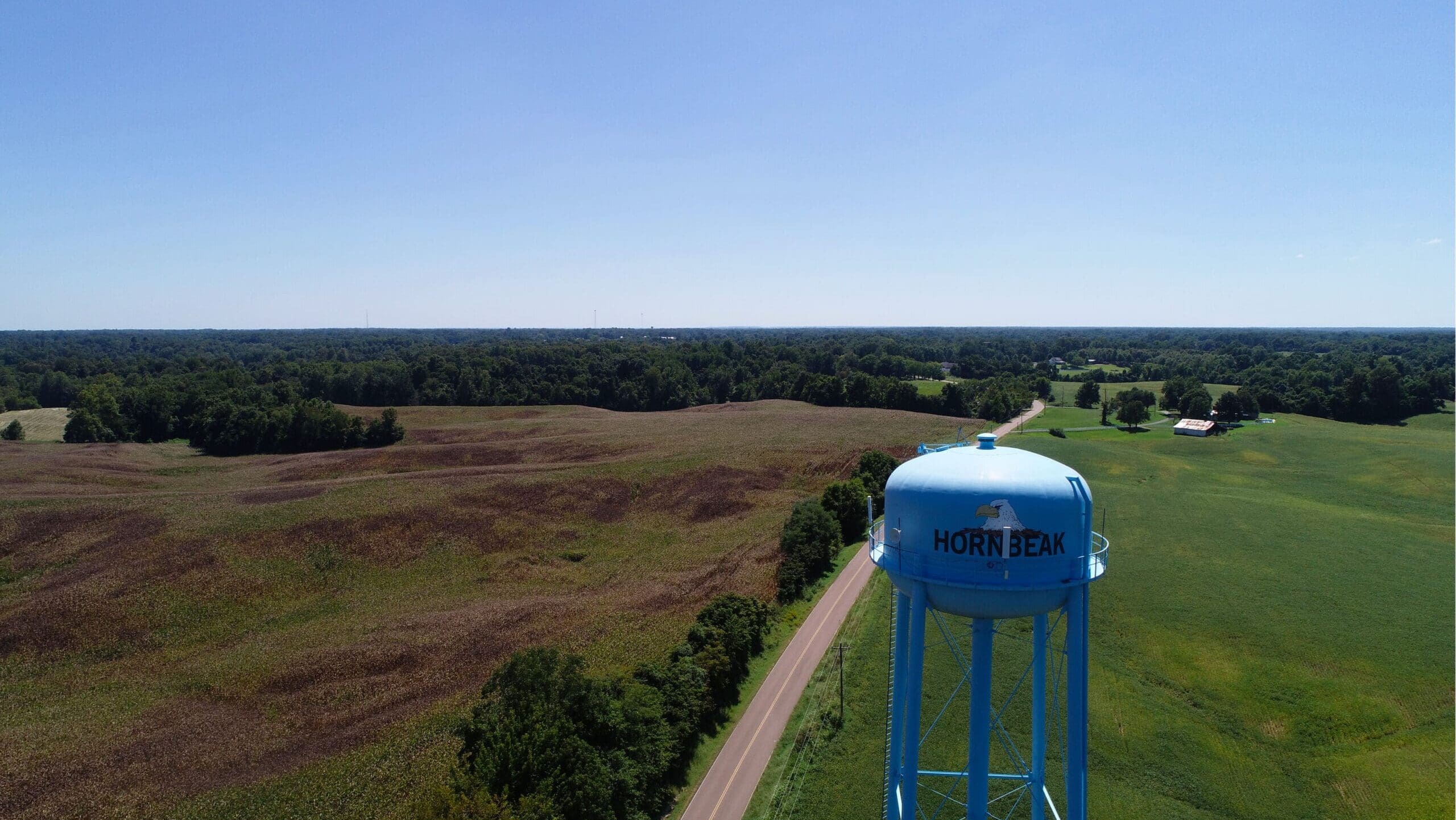
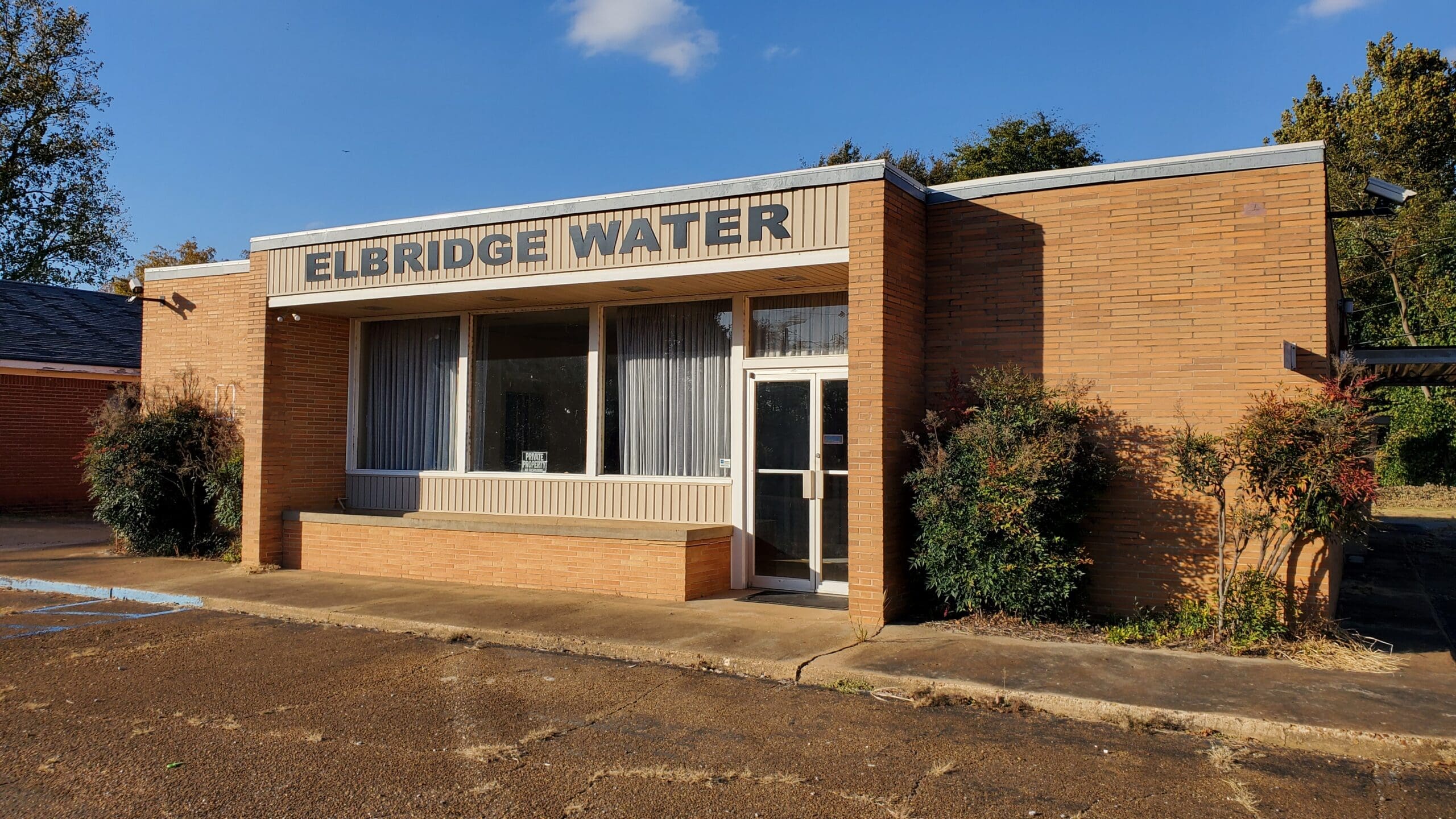
Along the edge of Reelfoot Lake in northwest Tennessee, the neighboring communities of Elbridge and Hornbeak in Obion County rely on two small water systems that operate almost as one. The utilities share an operator, interconnected lines and, most importantly, the same responsibility: keeping water flowing across a wide rural landscape.
Together, the systems serve roughly 1,000 to 1,350 connections, but their infrastructure stretches far beyond what those numbers suggest. Paul Truett, the operator of the systems, also operates several nearby systems, including Samburg, Woodland Mills, the Reelfoot Water Association and the Reelfoot Lake Regional Planning and Utility District.
“If you added all of our systems together, we cover about 330 square miles,” Truett said. “We don’t have a lot of customers, but we sure have a lot of area to cover.”
That imbalance — miles of pipe supported by a small population — defines rural water service. Much of the work involves simply staying ahead of failures.
“The infrastructure side is the biggest problem,” he said. “We’ve got leaks, service line leaks, main breaks and pumps that we must maintain. It’s constant upkeep.”
Looking for Solutions
The Community Infrastructure Team at Communities Unlimited (CU) connected with Truett through prior work with Samburg and soon became involved after both the Elbridge Water Association and the Town of Hornbeak water system appeared on the Tennessee regulatory scorecard for documentation and management deficiencies.
The utilities lacked complete digital maps and long-term planning documents — tools larger utilities routinely rely on but smaller systems often cannot easily develop on their own.
In 2024 and 2025, CU’s Geographic Information Systems (GIS) Team mapped each system’s distribution network, documenting valves, pipelines and infrastructure components. Tennessee State Coordinator Robert Kelley then worked alongside Truett in the field to develop Asset Management Plans identifying priorities, maintenance needs and capital improvements. The plans were presented to system boards and brought both utilities into compliance.
The collaboration expanded beyond the two systems. CU has assisted all six utilities Truett operates, most receiving GIS mapping.
Battling Weather and the Land
In Obion County, infrastructure challenges rarely come from age alone. The landscape itself works against buried water lines.
Heavy rainfall in nearby hills regularly causes erosion and washouts, while drought hardens soil around older pipes. The area also sits within the New Madrid seismic zone, where ground movement can break lines without warning.
“We’ve had a tremendous amount of rain this past year,” Truett said, noting a tornado in nearby Samburg also affected operations because the systems supply water there.
Most damage appears the same way — sudden pipe failures.
“The ground movement pulls the pipes,” Truett said.
To address repeated failures, the systems are installing high-density polyethylene pipe in erosion-prone areas, using American Rescue Plan Act (ARPA) funding to improve durability and reduce water loss.
Emergency Preparedness
With documentation and planning in place, CU helped the utilities look beyond compliance toward resilience. One vulnerability quickly emerged: power outages.
Without backup power, treatment plants and wells could shut down during storms. CU prepared FEMA hazard-mitigation applications for Elbridge and Hornbeak, developed scopes of work and coordinated submissions administered through the Tennessee Emergency Management Agency (TEMA). The systems have applied for generator funding and are now awaiting approval.
The paperwork alone can overwhelm small utilities. Truett said Kelley handled much of the process.
“Robert’s been a big help. There’s a lot of red tape. He knows a whole lot more about it than we do. He stepped up and got it done without wasting any time.”
— Paul Truett, Hornbeak & Elbridge Water Systems
If funded, generators would allow the systems to maintain pressure and storage during outages.
“Hopefully we never need them, but when you need them, you need them,” he said. “Keeping tanks full and clean water flowing is critical.”
The improvements may appear administrative — but for small utilities they determine whether projects happen at all. Truett said rural systems often fall into a gap: too small for many programs but still responsible for major infrastructure.
“Any help we can get is greatly needed."
— Paul Truett
A Path Forward
With system mapping complete, asset plans in hand and hazard-mitigation projects underway, the utilities now have a clearer path forward. The work may remain largely invisible for residents — and that is the goal. Reliable water service rarely draws attention when it functions properly.
But in communities like Elbridge and Hornbeak, reliability does not happen automatically. It comes from local operators, local boards and partnerships that bring resources small towns cannot access alone — helping rural systems move from reacting to problems toward planning for the future.

