


Revitalization in rural communities rarely begins with a million-dollar project. More often, it starts with a cleaned lot, a painted wall, safer lighting, or a shared garden bed.
At Communities Unlimited (CU), the Community Sustainability Team calls these kinds of projects “quick wins.”
A quick win is a small, achievable project that a community can complete fast with modest resources but still produce visible change. These projects serve an important purpose: they help a community move from talking about change to seeing change.
Quick wins are also: practical projects residents can participate in, and early steps that build confidence for larger efforts later. Just as importantly, they build trust — the first ingredient needed before larger infrastructure, housing, or economic development projects can take root.
Below are a few examples of how communities in CU’s service area have used quick-win projects to create momentum.
A Mural That Became a Movement — Texarkana
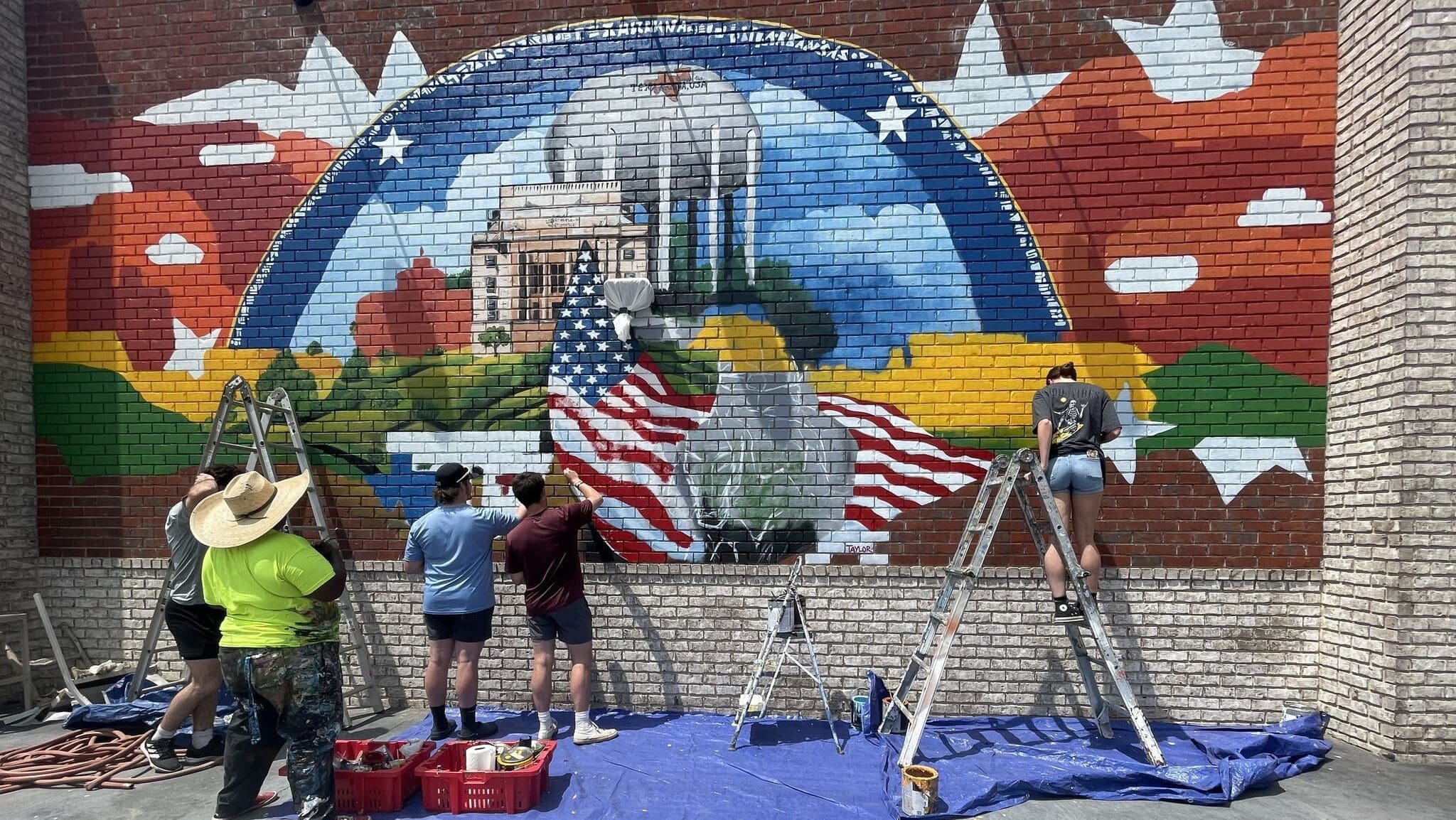
In Texarkana, a 15-by-40-foot mural nearly didn’t happen.
Local artist Darlene Taylor had earned the commission after placing third in the 2024 Pitch It Texarkana entrepreneurial competition. But while finishing the painting at the new Bubba’s 33 restaurant, she fell from a ladder and dislocated her shoulder. With the opening date approaching, the artwork seemed unlikely to be completed.
Instead, it became a community project.
CU Area Director for Field Operations DeAnna O’Malley organized volunteers — including members of the Texarkana Rhinos baseball team — to help finish the mural before the restaurant’s grand opening on June 10.
Today, the mural serves as a local landmark — not just because of the art, but because of the people who created it together.
“The Bubba’s 33 mural isn’t just a wall painting; it created pride, conversation, and connection,” Taylor said. “Projects like this show how small, visible improvements can energize a town and make people feel invested in where they live. That’s how you start making a community more vibrant.”
The project required limited funding but produced something more valuable: community ownership.
Safety Through Simplicity — Beaumont, Texas
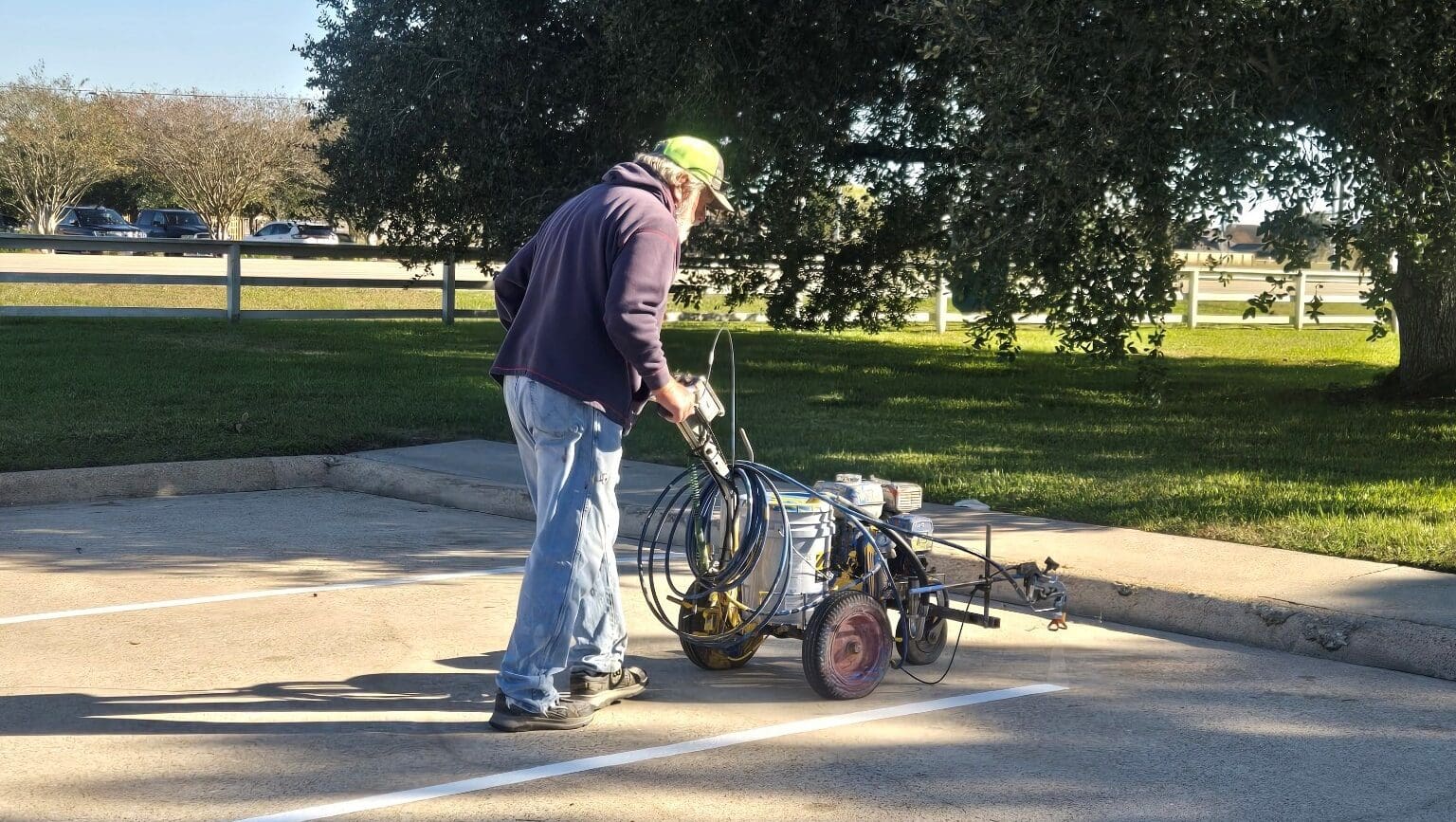
Quick wins don’t always look like art. Sometimes they look like fresh white paint on asphalt.
In December 2024, CU Community Resource Manager Yadira Hernandez partnered with Boys Haven of America in Beaumont to coordinate striping of the organization’s parking lot.
The improvement increased safety, accessibility, and organization for youth, staff, and visitors.
“The parking lot project might seem small, but it made a big difference for us,” said Executive Director Amanda Diaz. “The whole space looks cleaner, brighter, and much more welcoming.”
The change was immediate. People could see it the moment they arrived — and that visibility matters. When residents see improvement, they begin to believe improvement is possible.
Growing More Than Vegetables — Ames, Texas
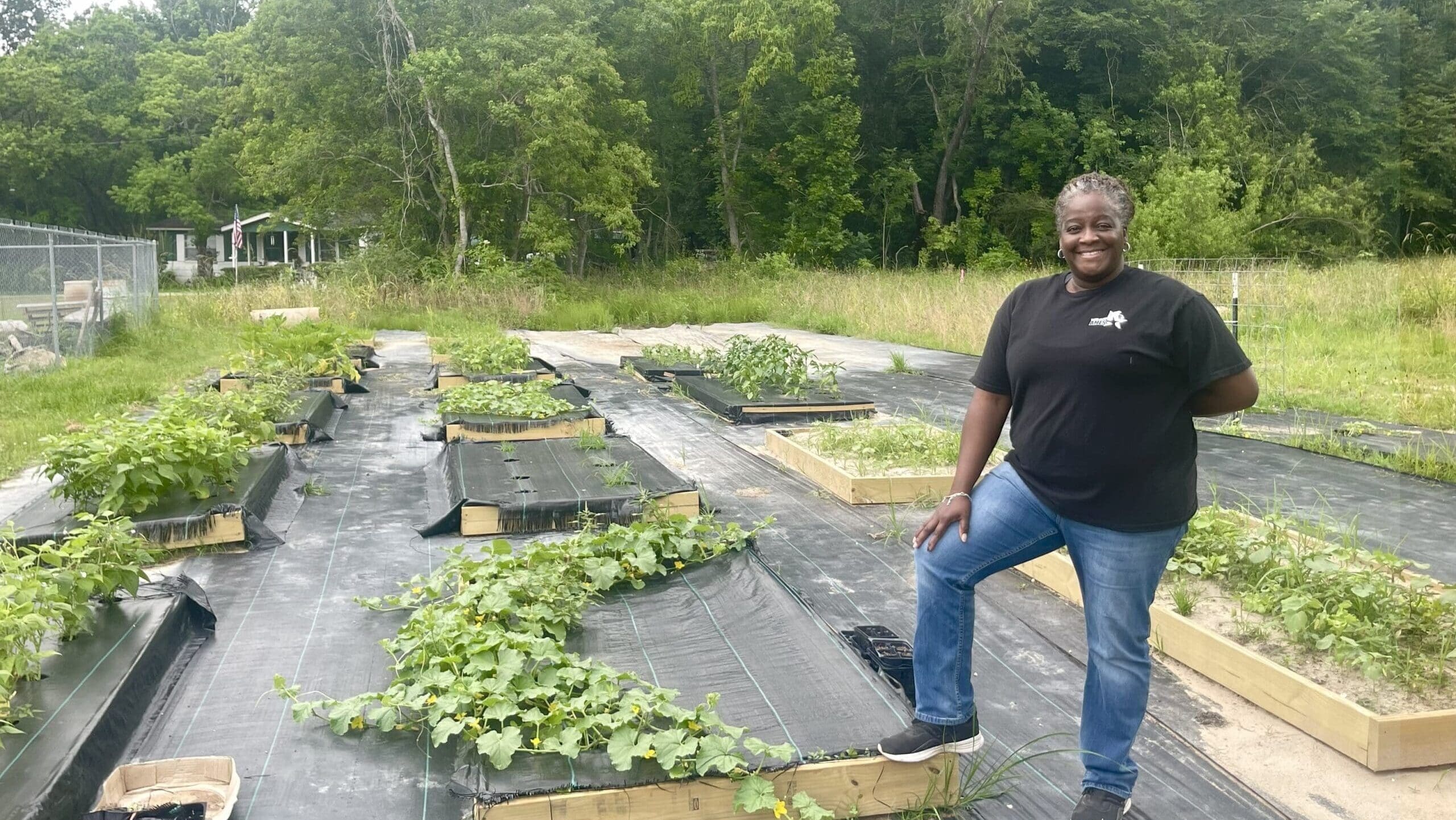
In the town of Ames — population under 1,000 — a community garden became a gathering place.
CU Community Resource Manager Yolanda Martin helped the city secure quick-start funding to build raised beds and purchase soil, seeds, and supplies. Residents now harvest okra, peppers, squash, and zucchini free of charge.
Students are learning agriculture, neighbors are working side-by-side, and partnerships with the local high school agriculture program are developing.
“(This community garden is) pulling us back together as a community so in hard times we’ll be close-knit and look out for one another,” said Mayor Barbara Domain.
Restoring Pride — College Hill, Texarkana
In Texarkana’s College Hill neighborhood, a single conversation led to a community cleanup.
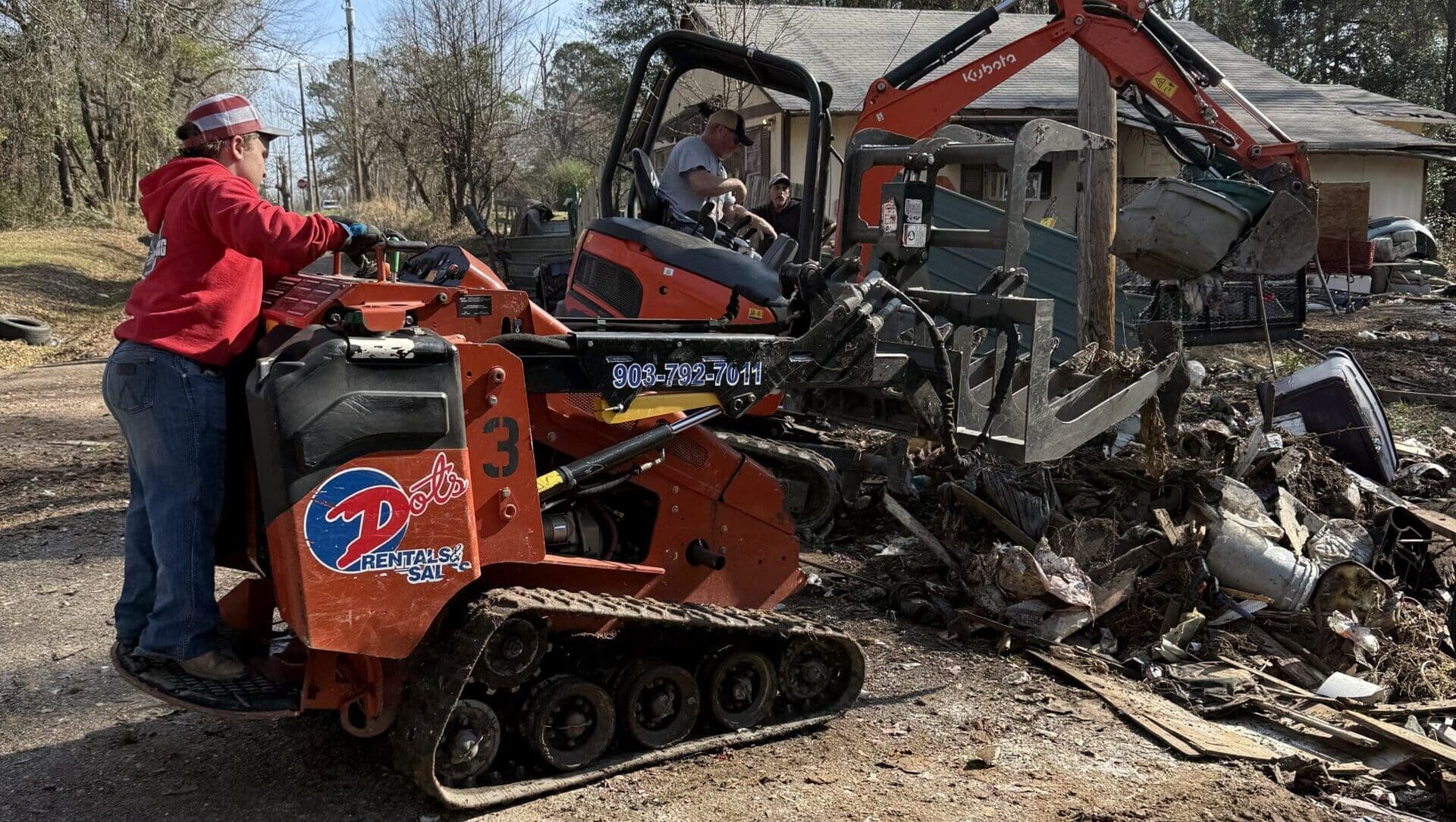
Business owner Tony Miller learned resident Anthony Williams could not remove large debris from his property. He organized volunteers on social media, and local businesses joined in with dumpsters, equipment, and labor. Nearly five tons of debris — about 70 cubic yards — were removed in one day.
CU staff helped coordinate with local officials and supported the effort on site.
“If we clean up the community, people will invest again,” Miller said. “I want others to see College Hill for what it really is — a place with good people and real promise.”
The cleanup did more than remove debris. It changed perception and encouraged people to re-engage with their community.
Why Quick Wins Matter
Quick wins are not the end goal. They are the starting point.
Across rural communities, large projects often take years — requiring engineering, funding applications, and approvals. During that waiting period, communities can lose energy or confidence.
Quick wins keep momentum alive.

