


Fortified Roof Program Builds Workforce and Safe Housing in Arkansas
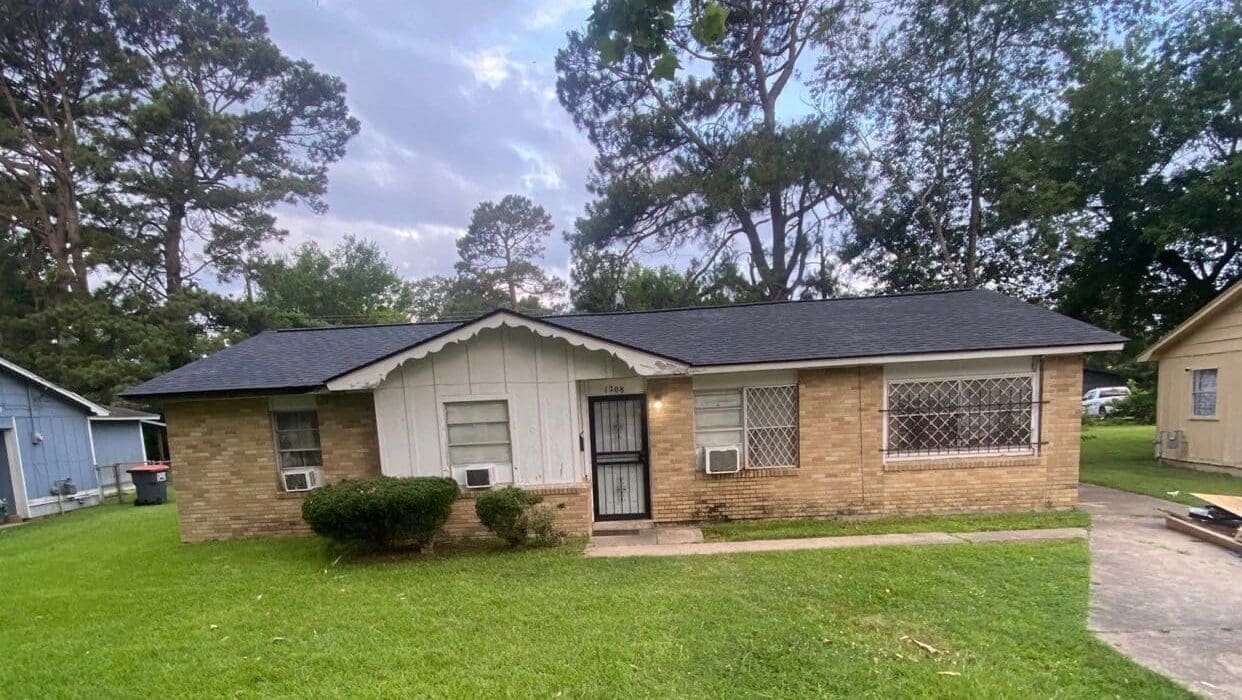
Linda Madkin had lived in her Pine Bluff, Arkansas home long enough to watch it start to show its age. Most of the wear she could handle. The roof was different.
It started small: a drip finding its way through a weakening roof. Then it grew, the way leaks do, until Madkin was patching shingles and laying plastic sheeting over her floors before every storm, watching for water she couldn’t afford to stop. On a fixed income, a full roof replacement wasn’t something she could pay for out of pocket.
City
Pine Bluff
State
County
Jefferson
District
AR-4
Funding
Department
Outcome
Waiting on a List — and Then a Different Call
“They had so many people it took forever, and I never heard back,” she said. “There’s so many things that the program’s going to wait on, I understood that.”
Madkin kept patching. Plastic on the floor, patches on the roof, and hope that the next storm wouldn’t undo what she’d managed to hold together.
Then Regional Manager Courtney Gibson from the Housing Team at Communities Unlimited (CU) called. He told Madkin she might qualify for a brand-new roof through CU’s Fortified Roof Program, at no cost to her.
“I was excited,” Madkin said. “I kind of made him laugh. I said, ‘Is this real?'”
It was. And Gibson didn’t disappear after that first call, either.
“Courtney stayed on it,” Madkin said. “It’s good when somebody contacts you and lets you know how the process is going, letting you know, ‘We haven’t forgotten about you, we’re still in the process, just wanted to let you know.'”
Madkin got her new roof.
“I’m very thankful to have a nice roof on my house. Very thankful. You really can’t express it. No more rain, no more trying to patch. It’s comfortable.”
Eighty Roofs — and a Workforce Gap That Needed Filling
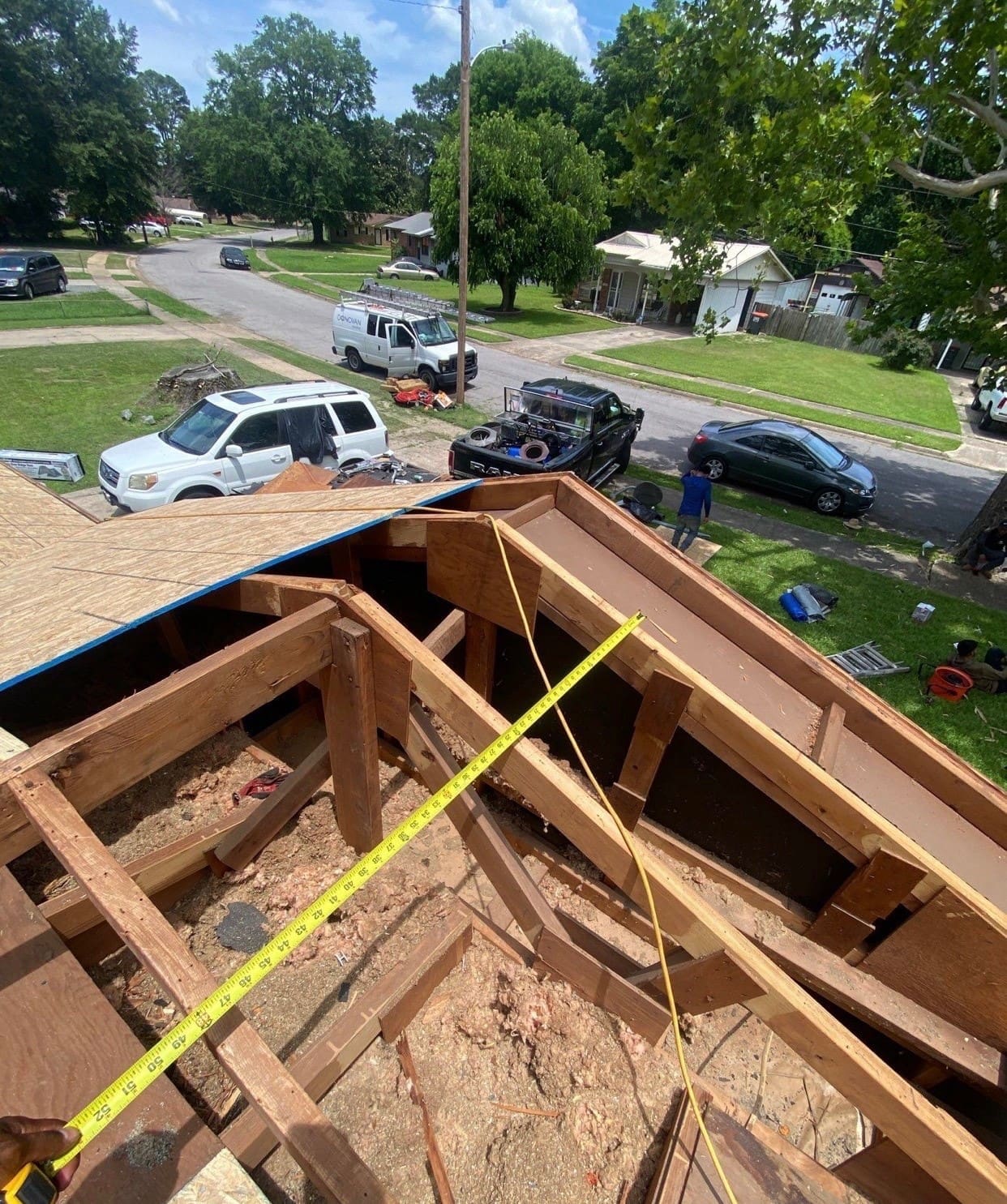
Roughly 80 homeowners across Arkansas, Mississippi, and East Texas now have fortified roofs, thanks to the Federal Home Loan Bank of Dallas and the efforts of the CU Housing Team. But funding alone doesn’t build a fortified roof. The program depends on certified evaluators and trained contractors who meet standards set by the Insurance Institute for Business & Home Safety (IBHS), and when the initiative began, Arkansas had few professionals qualified to do that work.
As part of CU’s broader rural housing work, COME HOME Regional Manager Kapriskie Mack set out to change that. She built a statewide list of roofing contractors and contacted them one by one, explaining the fortified certification process and answering their questions about the requirements. That network of certified evaluators and trained contractors gave rural communities the capacity they needed, making dozens of fortified roof replacements possible.
Building a Network: Certified Evaluators Enter the Picture
Shaina Gonzalez was one of the people Mack called.
“I definitely saw that there was a need for it,” Gonzalez said. “There were no other evaluators based in Arkansas. And I also felt the program was really neat. To be able to help people that maybe can’t afford a roof replacement, I just feel like it’s helping out.”
Gonzalez earned her certification as a Fortified Roof Evaluator at no cost, through Smart Home America, which CU connected her to, and now works directly with CU’s clients.
“It’s a program that I really believe in,” she said. “I think it’s really beneficial for people here in Arkansas, especially with the storms that we get. So I’m excited to help people and really promote a program that I truly believe in.”
The certification has paid off for her business, too. “It really seems like Fortified is taking off here in Arkansas,” she said. “I’ve already talked to several different nonprofits that are desperate to find Fortified evaluators.”
A Firefighter Turned Roofer — Service First, Certification Second
Malik Matthews got a call from Mack too. A firefighter turned roofing contractor, he’s built his career around a simple standard: service first. Fortified gave him another way to live that out.
“I thought it was a cool opportunity to kind of serve the community, obviously while still making money in my career,” he said, “but it was just another opportunity to give a little bit more for the people that needed it.”
For Malik, like Shaina, the payoff runs two ways. The work itself is meaningful; he’s proud of what he builds. And the certification has been good for business: as one of only a handful of certified roofers in Arkansas, he recently landed two federal contracts with municipalities worth a million dollars each, keeping him busy for months to come.
“That good feeling you get from helping out the community” carries over into the business side too, he said.
Groundwork That Didn’t Exist Before
Linda got her roof. But the real work happening behind the scenes is CU’s Housing Team laying groundwork that didn’t exist before: recruiting evaluators, getting contractors certified, filling gaps in Arkansas’s workforce one phone call at a time.
Homeowners like Linda get dry, safe housing. Evaluators and contractors like Shaina and Malik get new business built on work they’re proud to stand behind.
That’s what CU’s Housing Team is building alongside rural communities, home by home.
The Bigger Picture
- Fortified Roof Program delivered ~80 storm-resistant roofs across AR, MS, and East TX
- CU recruited and connected Arkansas’s first in-state certified Fortified evaluator
- Contractor certification opened new federal contracts for rural Arkansas roofers
- Workforce-building — not just funding — makes fortified housing programs sustainable

