


Building Local Developers
Across rural America, this support comes at a critical time. Director of Rural Housing Audra Butler at Communities Unlimited (CU) explained it:
“Our rural communities really lack the ecosystem that supports housing and housing development,” Butler said. “We don’t have enough developers. We don’t have enough contractors in rural spaces… and part of that is building up the people that can help us address that.”
Strong Partnerships
That’s exactly why strong local partners matter. Freddie Mac chose CU because of its experience, trusted local presence, and proven results.
“They also liked that we had a connection to rural, because they were developing a rural curriculum and they wanted us to take that curriculum into the communities we serve,” Butler added.
“And really, we have been tackling the shortage of developers, contractors, and subcontractors in our region, so this was just the perfect fit to help us bring additional resources to the people we are already working with.”
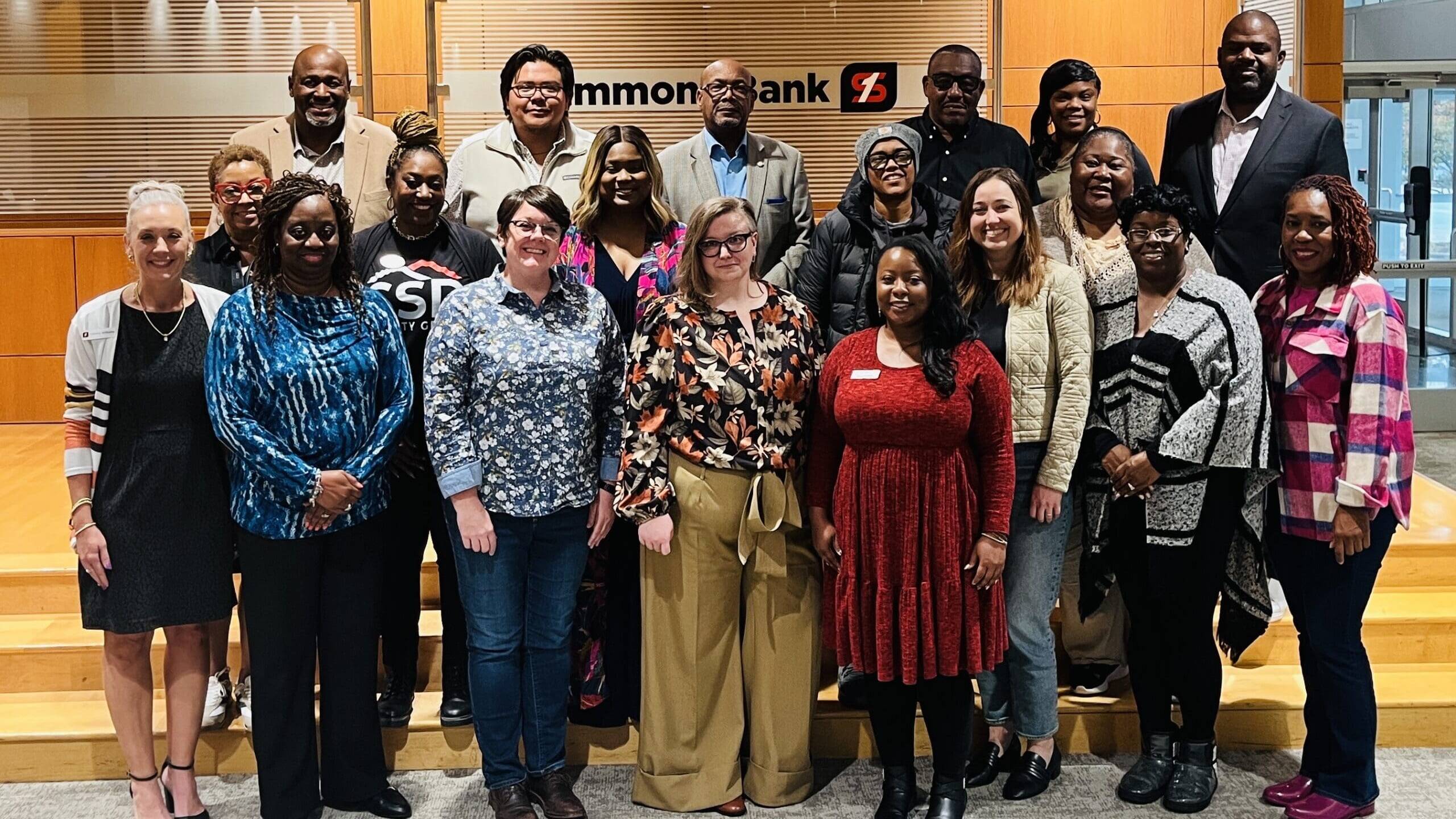
With that foundation in place, CU launched its first DTDA cohort November 17–21, 2025, sponsored and hosted by Simmons Bank in Little Rock, AR.
“Simmons Bank is intentional about being involved in the community,” explained Simmons Bank Community Outreach and Impact Officer, Latriana Robertson. “And I can say, going on two years, we’ve had a wonderful relationship with Communities Unlimited. So when we had the opportunity to address a gap, which is providing services to emerging developers, CU mentioned this to me. It was a no-brainer.”
Training That Turns Ideas Into Action
With the program underway, 12 participants were selected to complete approximately 36 hours of in-person instruction, followed by ongoing guidance and mentorship from Freddie Mac, CU, and Grow America.
Alongside CU’s leadership, Grow America Senior Director Courtney Pogue is no stranger to the program. He has supported this training alongside Freddie Mac for nearly five years, guiding aspiring developers in Baltimore, MD; Tulsa, OK; Omaha, NE; Milwaukee, WI; and now Little Rock.
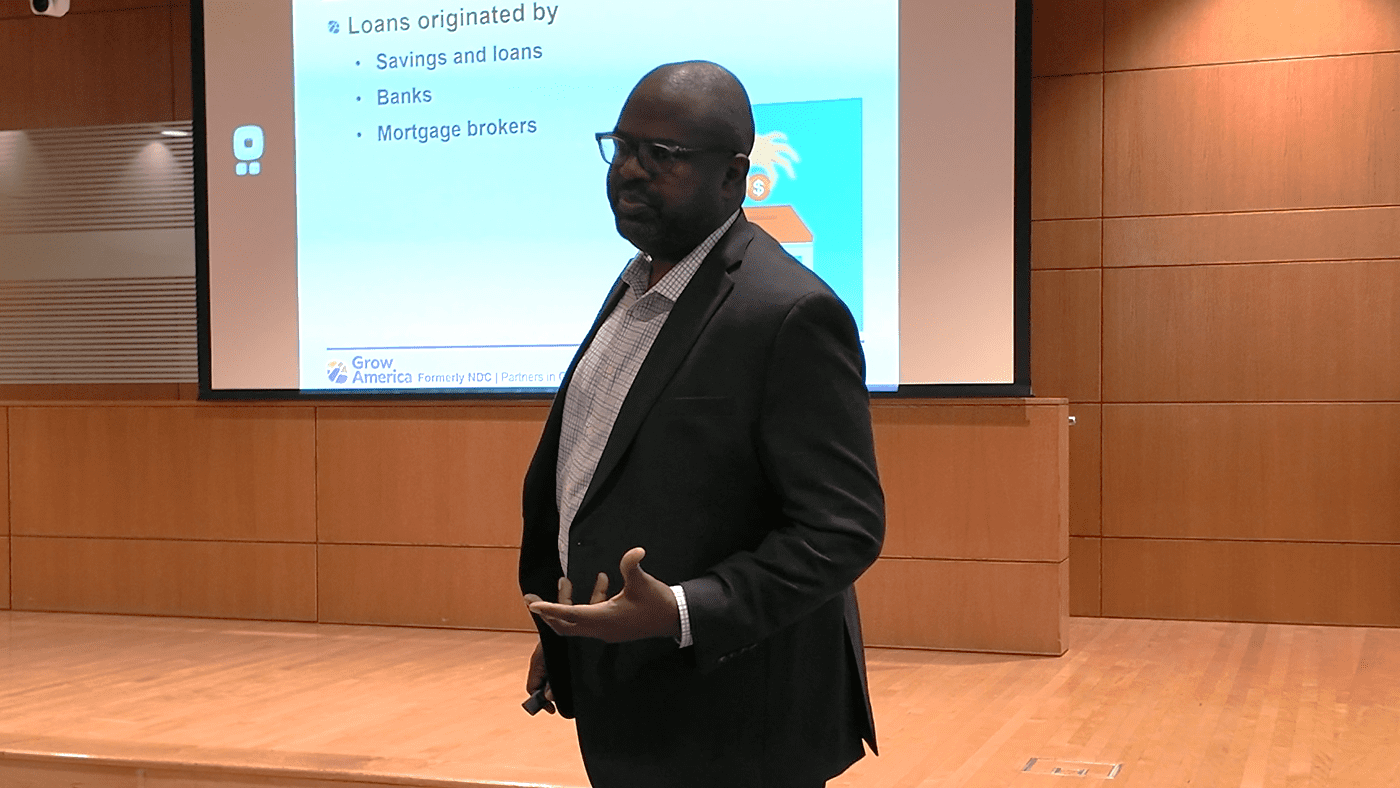
“It is very important to actually walk small scale developers through the various steps in the development process – so that’s what we try to emphasize with the academy,” Pogue said. “I want to give them more confidence to go out there and do their deals.”
From Selling Homes to Building Change
By the end of the week, many shared that the academy clarified not only how to develop housing, but why they feel called to do it. For Shannon Smith, that clarity became a turning point. A principal broker in Little Rock, she sees the academy as a bridge from selling homes to building them — and to addressing the affordability gaps she sees every day.
“Being in the real estate industry currently, I’m able to see that affordable housing is tough out here. Especially there’s a sweet spot that your average working people can’t afford. And there’s just not enough of those houses. And so I want to be the change. I want to make a difference and see how we can help people. As of today, I mean, rent prices, majority of the rent prices are higher than mortgages. So I definitely want to be a change maker.”
For her, developing is the next step in serving families more fully.
“I think my personal story is I have as a realtor here in central Arkansas. I’ve put over 100 families in homes over the last five years. And so, I think just growing, moving forward, expanding my territory, but also expanding exactly what it is I do.”
"I want to do more than just sell houses. I want to build them.”
More Than Skills
And she wasn’t alone. That spirit of giving back showed up throughout the cohort. Participants came to the academy to learn new skills, but many left with something just as important — a stronger sense of purpose and a network to help them move forward.
“I’ve made some great connections, I’ve met a lot of people and gotten all their numbers,” said Dexter Brady, participant and Deputy Director of the Little Rock Housing Authority. “If you plan to get into development or doing anything in affordable housing you need to get into something like this.”
Continued Support
Looking ahead, the group will meet again on December 18 for graduation and final project presentations. Participants will receive expert feedback to help sharpen their ideas. And the support doesn’t stop there — CU, Freddie Mac, and Grow America will continue to offer guidance, resources, and connections over the next year.
But the support goes deeper. Butler said CU’s role goes beyond training. If a project is ready to move forward, CU will help through its CDFI lending and support from the Housing Team.
“Every developer, every project is different, and so to say that you can provide the same support to every participant or emerging developer is selling short what they could achieve. It’s like telling them they have to fit in a box. When we want them to be innovative and to look at development differently so we can start addressing problems differently.”
Just the Beginning
CU will host the next DTDA cohort in May 2026 in Clarksdale, Mississippi, expanding further into development at a time when rural communities urgently need more local developers to meet growing housing demand.
“Also, this would not have happened without Freddie Mac reaching out to us, developing these resources. They wanted to get them into small, moderate, and rural markets,” Butler shared.
"We're really grateful to Freddie Mac and a huge thank you to Simmons Bank as well for providing us a location to do this and support from their staff.”
Building Capacity to Tackle the Housing Shortage
Looking beyond individual projects, Pogue talked about the bigger impact of building this kind of capacity across the region.
“From this program we are adding new participants to the real estate industry. This will help build small-scale development projects which can be done faster and more efficiently,” said Pogue. “So, it allows us to create more capacity. This will create more product, which helps us the address the issue of the housing shortage across this country.”
An Open Door for the Next Generation
As the first cohort looks ahead, several participants encouraged others in their communities to take advantage of the opportunity. Or as participant Dr. Alexis Massa-McClinton put it:
“Definitely apply. Don’t miss it. The connections you are going to make are better than anything you can think about.”

