


By the time Michele Henegar first walked into the office at Siam Utility District, the problems were so deep that even longtime water professionals were backing away.
Records were scattered in handwritten notebooks. There were no system maps. Compliance files were missing. Staff turnover was constant. And in the middle of a meeting with the state, the system’s previous operator resigned on the spot.
“Nobody wanted to touch it,” Henegar recalled. “People talked about the problems, but no one wanted to step in.”
That was the moment she did.
A System in Crisis
Siam Utility District serves about 1,175 homes in rural Carter County, just southeast of Elizabethton in Northeast Tennessee. Formed more than 70 years ago, the district provides water to neighborhoods tucked between the city limits of Elizabethton and the foothills leading toward Hampton.
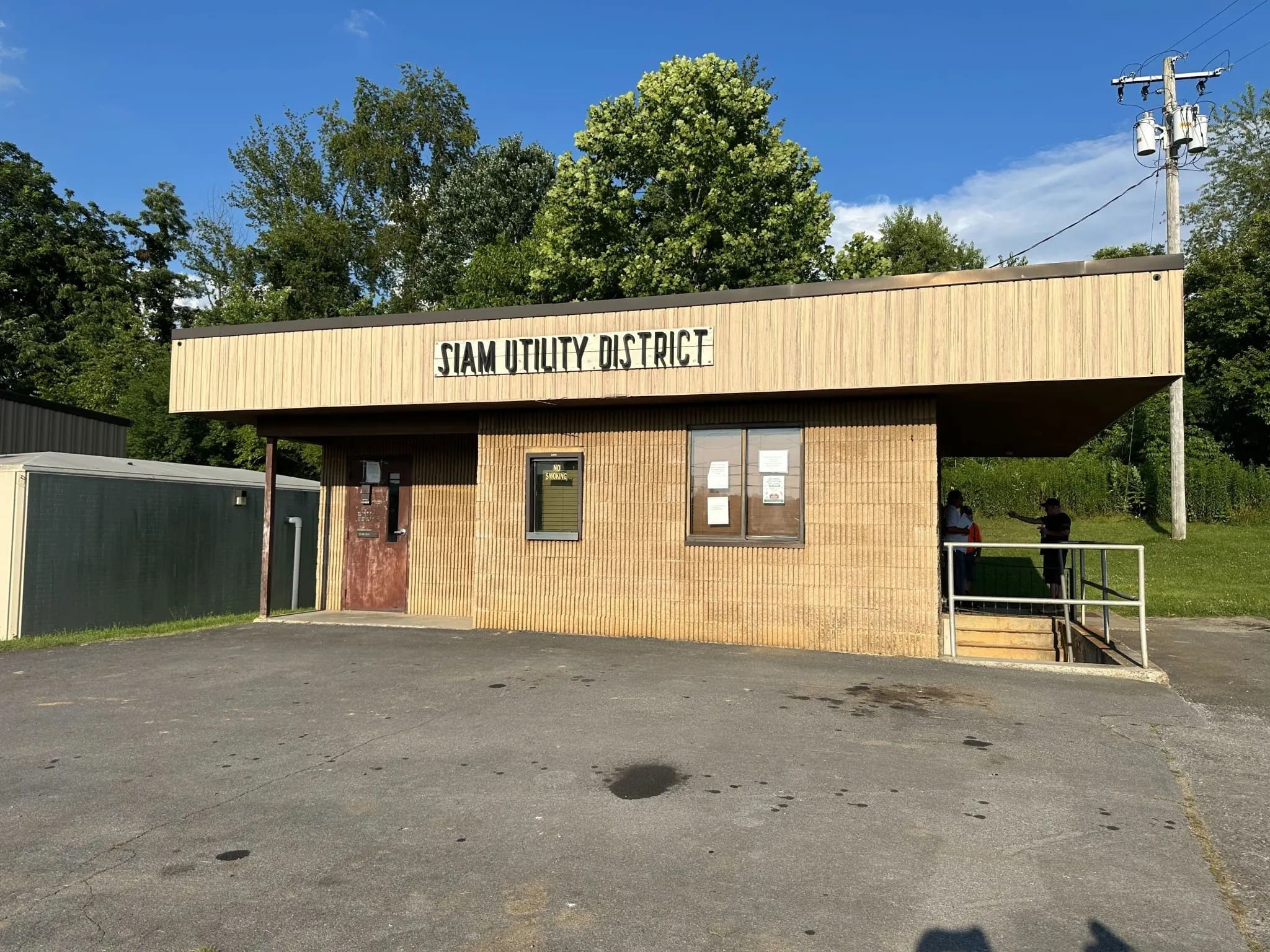
But by the time the Community Infrastructure Team at Communities Unlimited (CU) was called in, the system was barely functioning.
Testing records were outdated. There was no chlorine test kit. Billing didn’t match meter counts. Policies, procedures, and compliance tracking tools simply didn’t exist.
Former management was under review by the Comptroller’s Office, and the utility’s board found itself navigating a sudden transition in operational leadership.
“It felt like starting from scratch,” Henegar said. “There were no real systems in place.”
A Leap from Healthcare
Henegar spent 20 years in healthcare and never planned to run a rural utility district. But when a relative with decades of municipal water experience stepped in to help Siam stabilize field operations, he made a simple request.
“If I handle the outside, you run the inside,” he told her.
She began helping part-time in August 2025, using her vacation time from her university job to organize records alongside CU Infrastructure Consultant Annie Chiodo. By October, Henegar was full-time — becoming office manager and, in practice, the system’s day-to-day leader.
The first weeks were overwhelming.
“It was constant — we’ve got to fix this, we’ve got to fix that,” she said.
CU Steps In — And Stays In
CU arrived at Siam during the height of the crisis. Chiodo quickly became Henegar’s closest partner in the turnaround.
“When I was still part-time, Annie came in and said, ‘If you’re thinking about coming on, I’ll spend a week with you,’” Henegar said. “We took long days together. It was intense, but also fun and really rewarding. Her experience honestly sealed the deal for me.”
CU’s initial work focused on emergency stabilization: verifying missing compliance documentation, coordinating with the Tennessee Department of Environment and Conservation (TDEC), and conducting multi-day onsite triage. TDEC later confirmed the severity of the issues — and documented early improvements.
From there, CU helped rebuild the utility from the inside out.
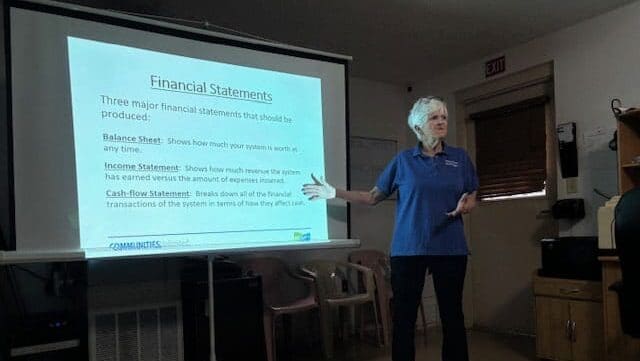
Board members received in-person training and Comptroller-certified education. CU implemented nearly a dozen core management programs covering everything from financial controls and record retention to emergency operations, chlorine monitoring, and customer service standards. Written standard operating procedures replaced guesswork.
Compliance systems were rebuilt — from Lead Service Line Inventories (LSLI) and public notifications to Consumer Confidence Reports. Calendars, deadlines, and reporting processes were restored.
Mapping What Never Existed
Another big step came when Chiodo connected Siam Utility District with CU’s Geographic Information Systems (GIS) Team.
When work began, Siam had no usable system maps — no valve locations, no clear understanding of where lines ran.
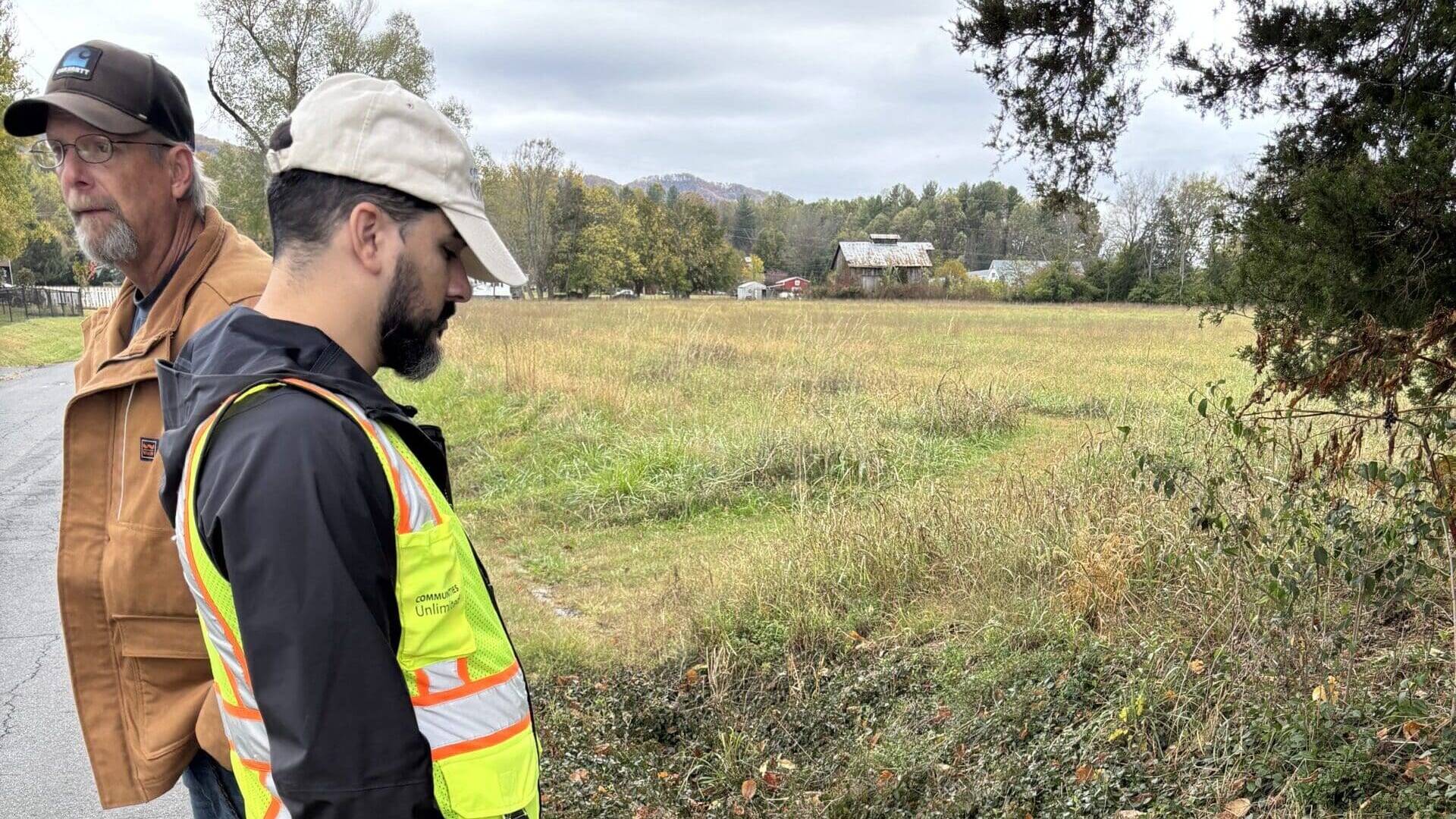
In late October, CU Project Manager Don Becker and GIS Specialist Alex Webb conducted field data collection across the water system. The GIS Team delivered both digitized and printed maps — giving Siam its first real look at its own infrastructure.
“Now our guys know where the valves are,” Henegar said. “We’re adding more as we find them. That alone has made operations so much smoother.”
For a utility struggling with leaks, water loss, and emergency response, knowing where the system exists has changed everything.


From Emergency Mode to Long-Term Recovery
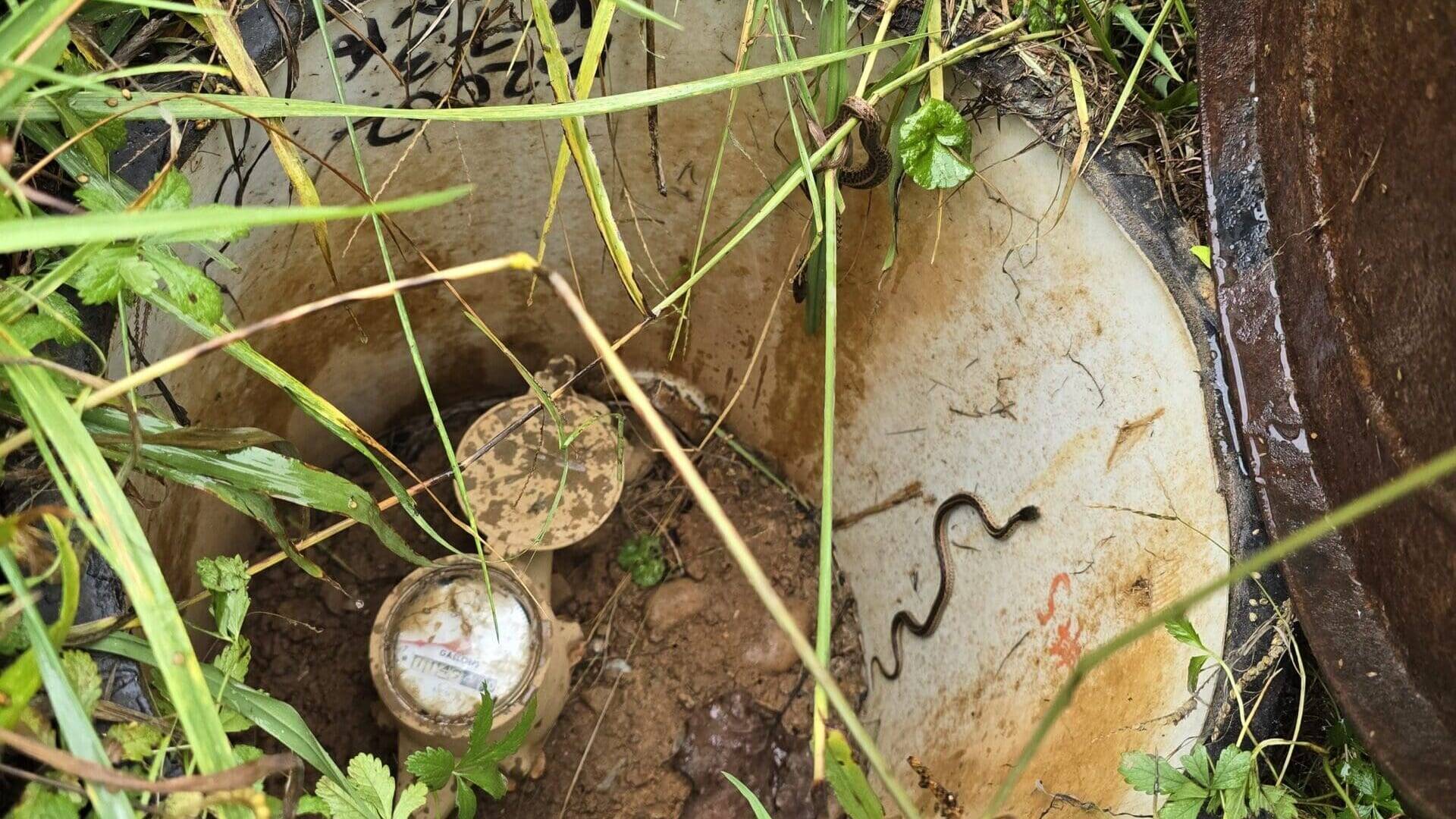
Today, Siam Utility District is no longer in survival mode — but the recovery is far from over. System-wide water loss still averages about 30%, with some areas estimated as high as 55%. Aging lines, including asbestos-cement and galvanized pipes, continue to fail.
That’s where the next phase of CU’s support comes in.
With guidance from CU Senior Economic Development Loan Officer Chris Ranniger and the Lending Team, Siam Utility District closed on a Pre-Development Engineering (PDE) loan, supported by the Robert Wood Johnson Foundation, to help move an infrastructure project forward.
The project focuses on replacing the most leak-prone water mains across the system, retiring aging galvanized and asbestos-cement lines, and installing new zone meters that will allow the district to better pinpoint future problem areas before they turn into major failures.
The district has already secured American Rescue Plan Act (ARPA) and Carter County funding to carry out the work — but because those dollars are reimbursement-based, Siam needed upfront capital to begin construction.
Through a coordinated financing package led by CU and the Water Finance Exchange (WFX), Siam now has the working capital to start work immediately, rather than waiting months for reimbursements to arrive.
CU’s loan bridges that gap — turning approved funding into action on the ground.
A Turnaround Built on People
While funding, policies, and maps matter, those closest to the project say the real turning point was leadership — and consistency.
Henegar became the steady presence the district never had. She organized records, kept regulators informed, ensured programs were followed, and pushed accountability at every level.
But when asked about the turnaround, Henegar pointed to the partnership that made change possible.
“I love it. Truly. Between Annie and the support from CU, I don’t know where we’d be without them. Even our field guys, who had experience, were used to doing just a few tasks. Now we’re operating like a real municipality — doing everything. Having that kind of guidance has made all the difference.”
— Michele Henegar, Siam Utility District
Looking Ahead
Siam Utility District still has work ahead — replacing lines, reducing water loss, strengthening finances. But the future no longer feels grim.
“We’re more than halfway to where we need to be,” Henegar said. “Things are finally coming together. I see us becoming more proficient — kind of running like a little machine. There really is light at the end of the tunnel.”
In a corner of Northeast Tennessee where few expected a comeback story, a once-struggling utility is proving that recovery doesn’t begin with pipes or pumps — it begins with people willing to step in when no one else will.

