


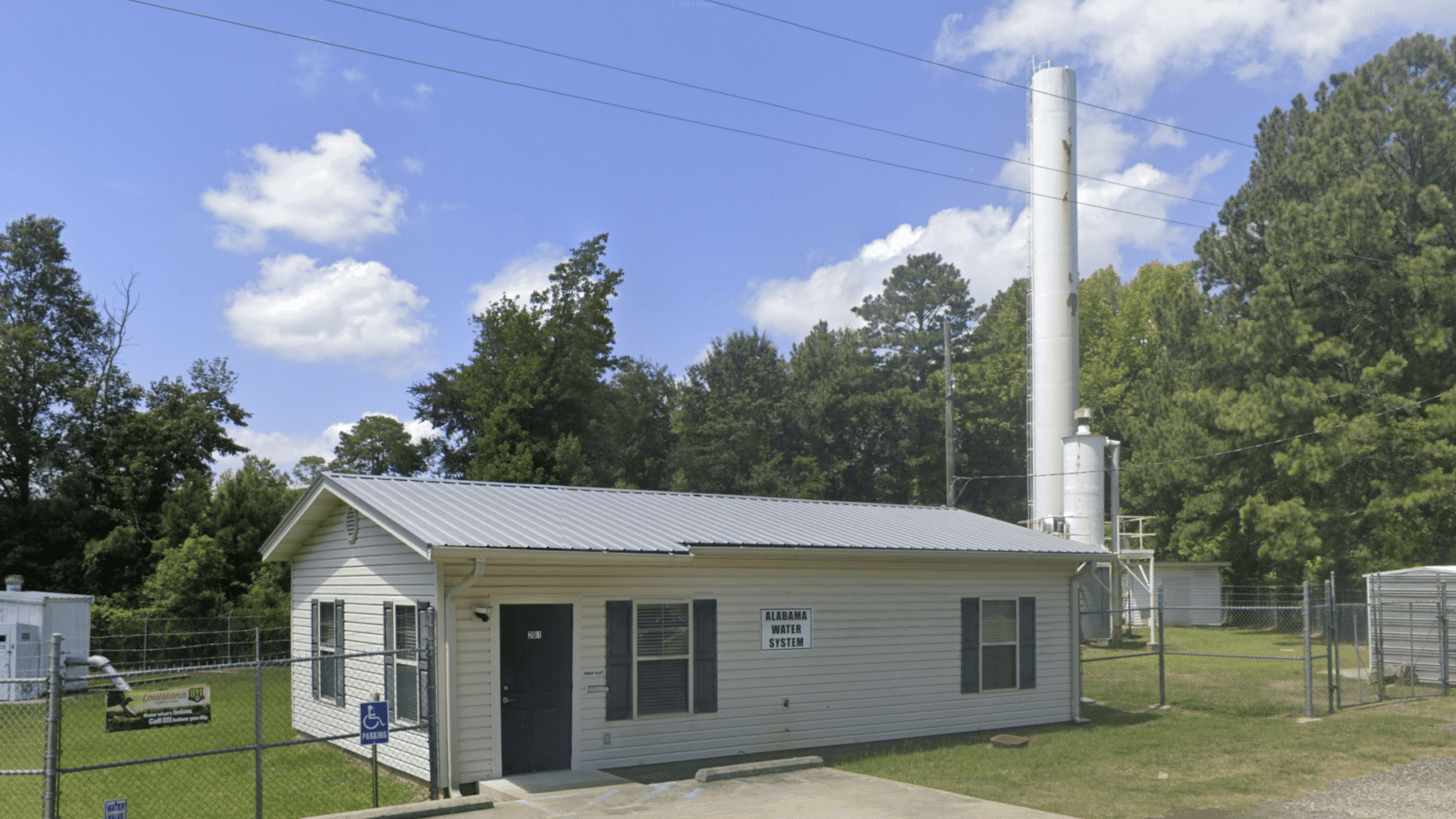
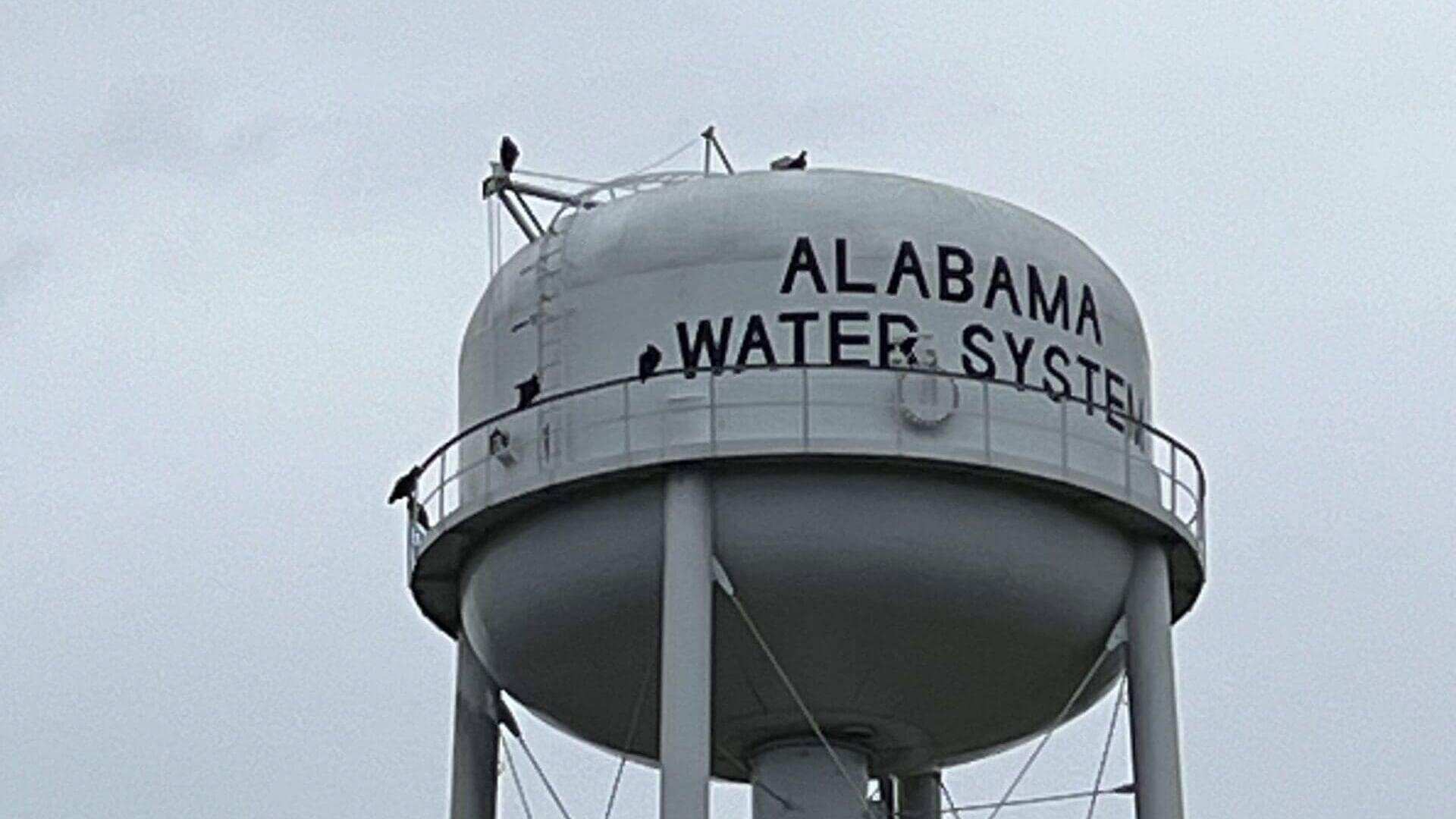
Serving 313 connections in Arcadia, a town of more than 2,500 people in Bienville Parish in north-central Louisiana, Alabama Water System is the kind of small rural utility where limited staff often juggle complex regulatory demands alongside day-to-day operations.
That reality became especially clear in recent years, as former Office Manager Jan Perritt worked to bring order to incomplete records and strengthen compliance with federal reporting requirements. When Perritt began in 2021, the system struggled to keep up with required submissions to the U.S. Department of Agriculture (USDA), largely because prior documentation was scattered or missing and reporting requirements were not clearly understood.
After USDA noticed those challenges, the system was referred to the Community Infrastructure Team at Communities Unlimited (CU). Perritt connected with CU Senior Management Consultant Richard King in September 2022, who helped stabilize operations by building the system’s capacity to complete mandated USDA management reports. King also assisted with developing a Language Access Plan and led a four-hour management workshop, helping system leadership better understand compliance responsibilities and reporting expectations.
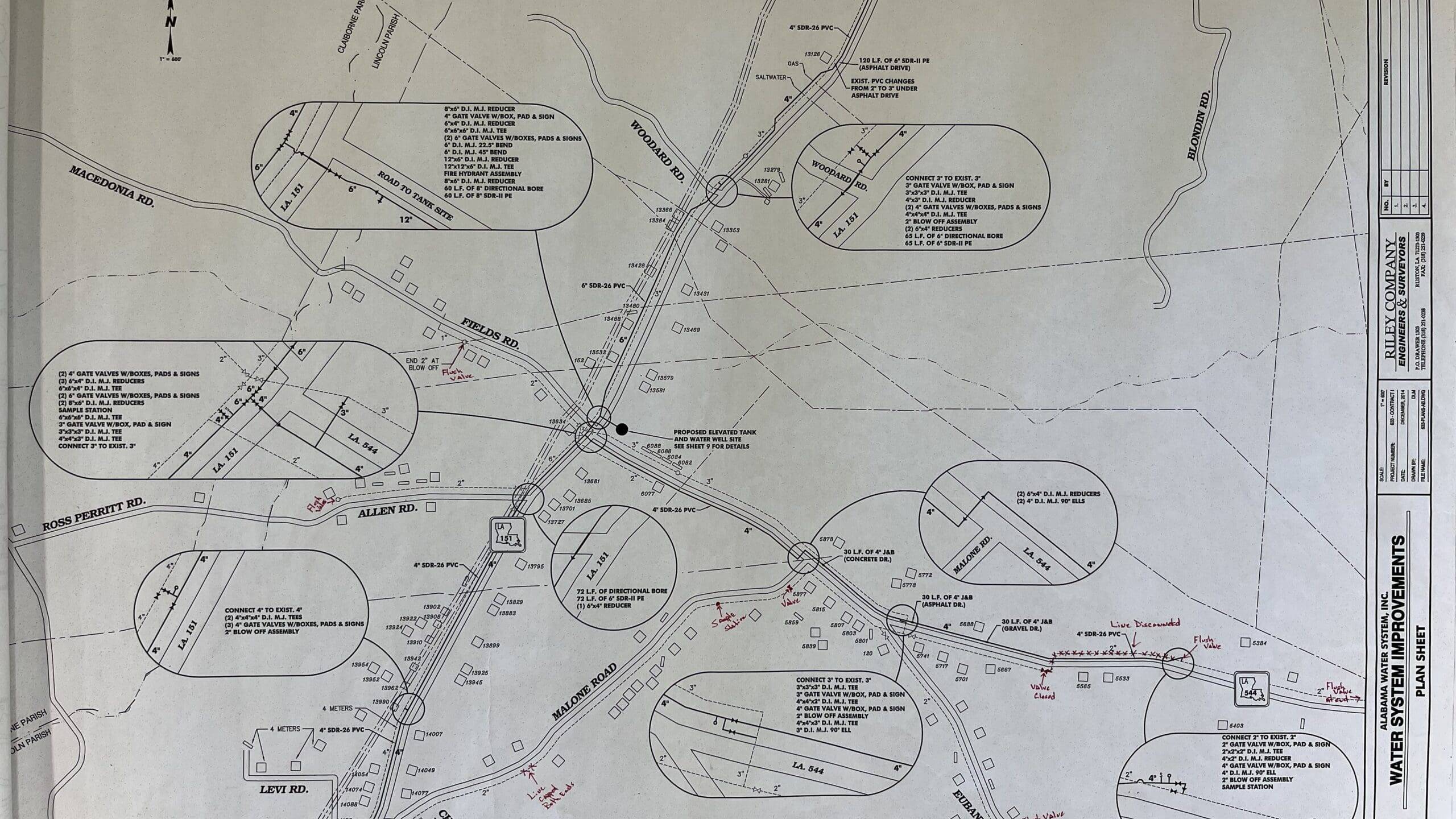
As that work progressed, another operational vulnerability surfaced: the system lacked a complete, centralized record of where much of its infrastructure — particularly water meters — was located. While Alabama Water System is relatively compact, that information had long lived in the heads of a small number of staff. When one employee retired, some of that location-specific knowledge was lost, emphasizing the risk of relying on undocumented institutional memory.
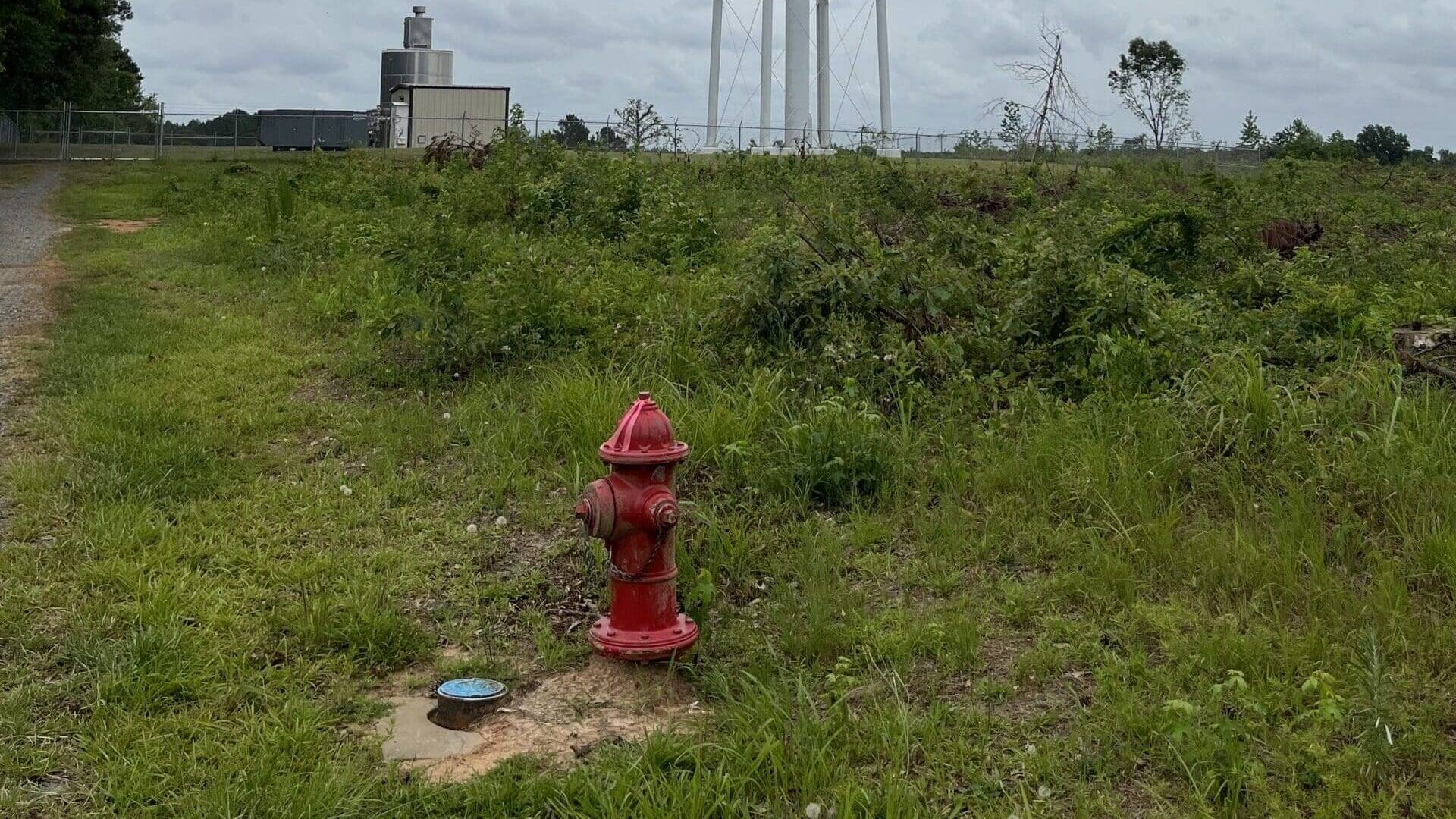
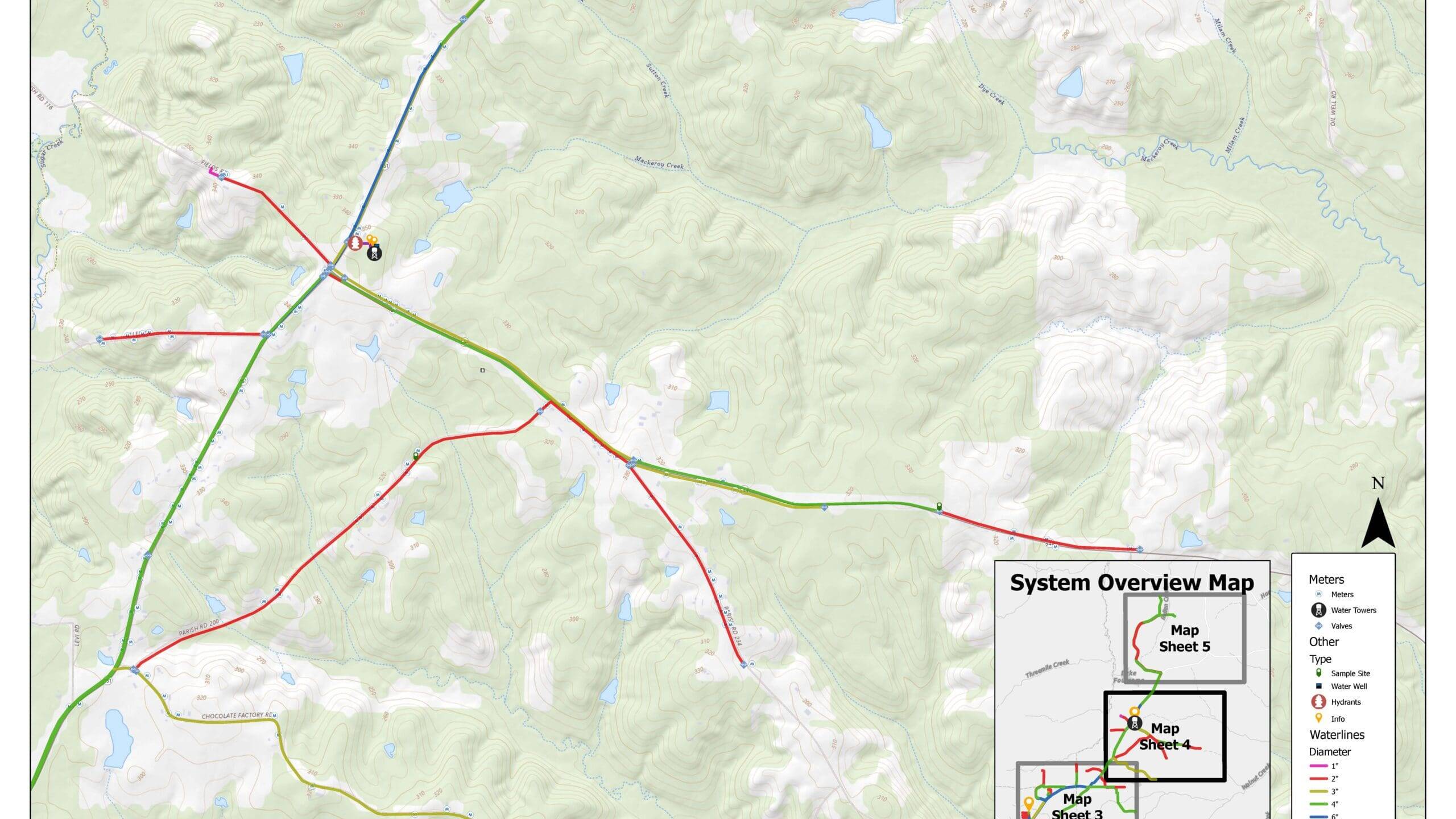
To address that gap, King connected the system with CU’s Geographic Information Systems (GIS) Team, led by Project Manager Don Becker. In June 2024, Becker and King spent two days in Arcadia canvassing the service area with system staff to collect data on meters, valves, hydrants, and other infrastructure assets. The resulting digitized and printed GIS map gave the system its first comprehensive view of its infrastructure.
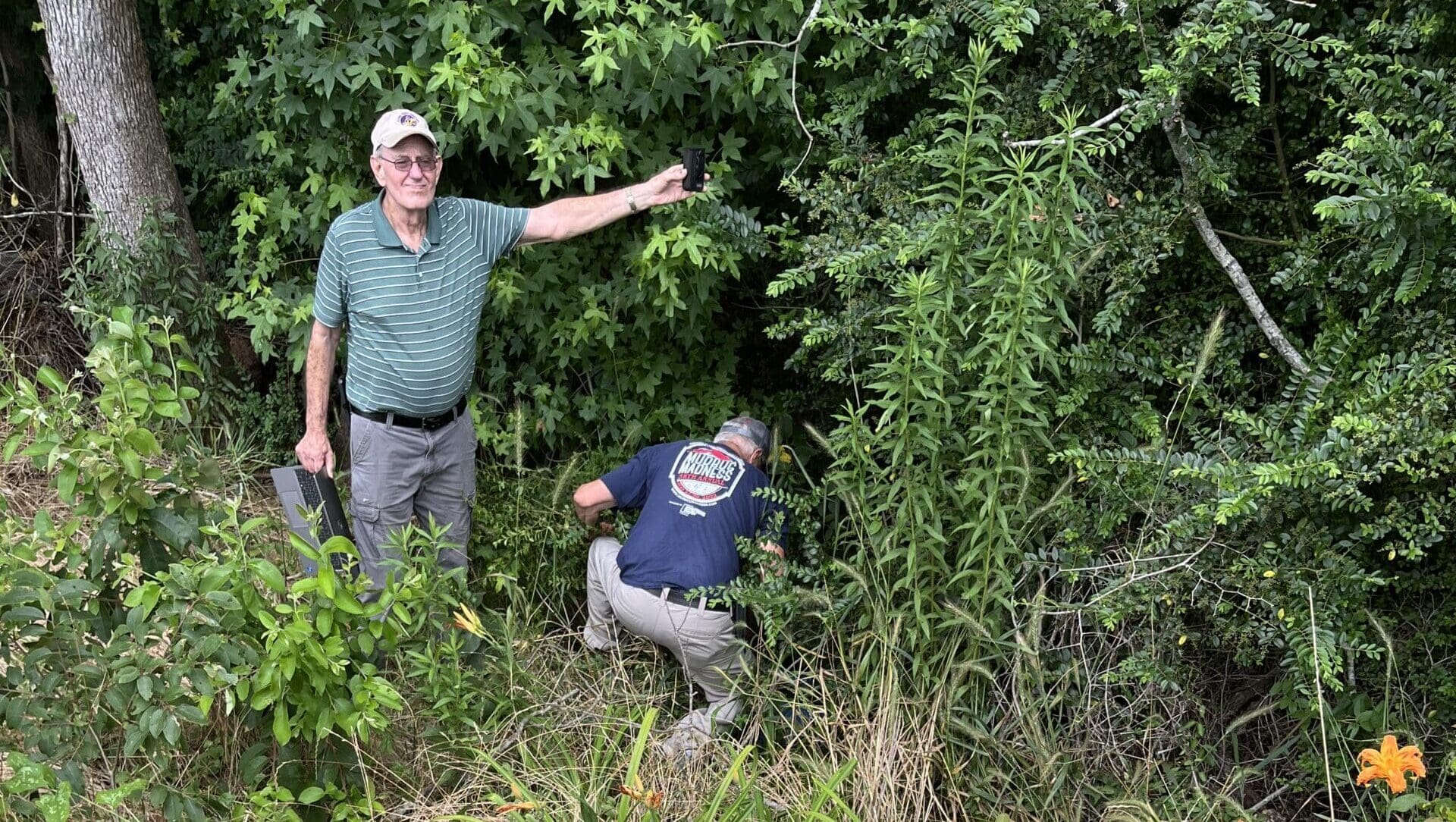
The impact was immediate. During a subsequent inspection by the Louisiana Department of Health (LDH), regulators asked about meter locations. System staff were able to pull up the GIS map and walk inspectors through the system in real time — an interaction that left a strong impression.
“They were honestly blown away by the product. They couldn’t believe how detailed and organized it was.”
— Jan Perritt, Alabama Water System
Beyond producing the map, Becker focused on ensuring the system could sustain the work internally. He trained Perritt on how to use and update the GIS tools and demonstrated how field staff could use a mobile app to locate meters in the field, with updates automatically syncing to the office computer.
That preparation proved critical at the end of 2025, when Perritt retired. On January 1, 2026, Kim Nutt, who had been trained by Perritt, succeeded her — inheriting both a steep learning curve and a far stronger operational foundation than had existed just a few years earlier.
“We had a good call with Don,” Perritt said. “He was thorough and explained everything calmly, walking Kim through how to use the system since she was the one taking over. It really clarified things for both of us and made the transition easier.”
The system is now applying those same lessons as it prepares for the eventual retirement of long-time maintenance employee Tony Nixon, whose deep institutional knowledge has been important to daily operations. His anticipated departure highlights the importance of having accurate, accessible infrastructure records in place as responsibilities transition to new staff.
On the Community Infrastructure side, King continues to provide technical assistance to Alabama Water System, with his current work focused on emergency preparedness and managerial capacity building. Recent efforts include conducting a risk and vulnerability assessment, and supporting updates to the system’s Emergency Response Plan.
Now just weeks into the job, Nutt describes the experience as a “crash course,” but one made more manageable by the systems and support already in place. She has begun attending CU trainings and views King as a resource she expects to rely on more heavily as she settles into the role.
“You all have been a great resource so far,” Nutt said. “You’ve been helpful and knowledgeable.”
For Alabama Water System, the partnership has helped equip a small rural utility with tools designed to support the community it serves for years to come.

